Corn could become a more valuable German field crop if breeders, processors and farmers solve one problem the market has largely ignored: quality, not just yield.
Germany food-grade corn study highlights import gap
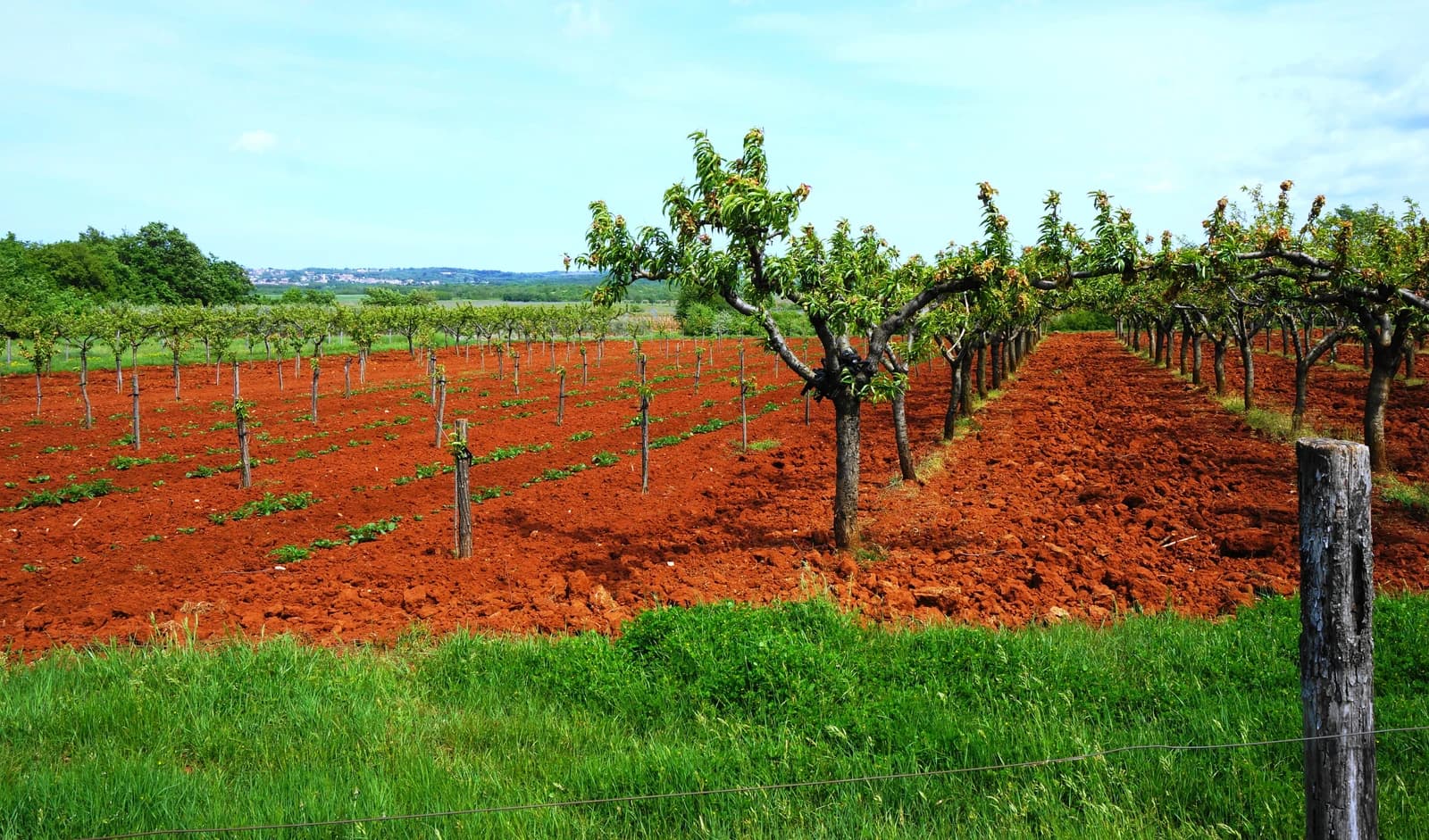
That is the key takeaway from a three-year project by the Bavarian State Research Center for Agriculture and Dottenfelderhof, which found that food-grade corn has clear potential in Germany, especially in organic farming, but only if the sector shifts away from a one-size-fits-all focus on bulk tonnage. The researchers say imported food corn still dominates because German acreage remains limited and growers lack the sort-specific know-how needed to produce grits, semolina and other food uses consistently.
Sentiment Indicators
Economically, that matters because it points to a domestic substitution opportunity in a market that is currently dependent on imports. The study tested 90 food-corn varieties and found a hard trade-off: modern hybrids delivered the highest kernel yields, but with lower nutrient content and poorer grits yield, while heritage varieties produced more protein, essential amino acids, minerals and grits, but at far lower yields. That is exactly the kind of production gap that keeps a crop niche — and keeps value leaking abroad.
The research also produced a practical tool that could change the economics of selection and processing. The team developed a rapid near-infrared test to estimate grits yield on whole grain without milling it first, giving breeders and quality-control teams a faster, cheaper way to rank varieties. In a crop where processing quality is central to end-market value, that kind of screening can shorten breeding cycles and reduce the cost of commercializing suitable varieties.
For investors, the more important story is not that corn is another agricultural commodity. It is that food-grade corn could become a small but meaningful infrastructure theme inside European agribusiness: seed developers, organic processors, local milling capacity and farm co-operatives stand to benefit if domestic supply chains deepen. The likely winners are companies and producers that can monetize quality differentiation, not just commodity volume. The losers are importers and low-margin bulk suppliers that depend on undifferentiated grain flows.
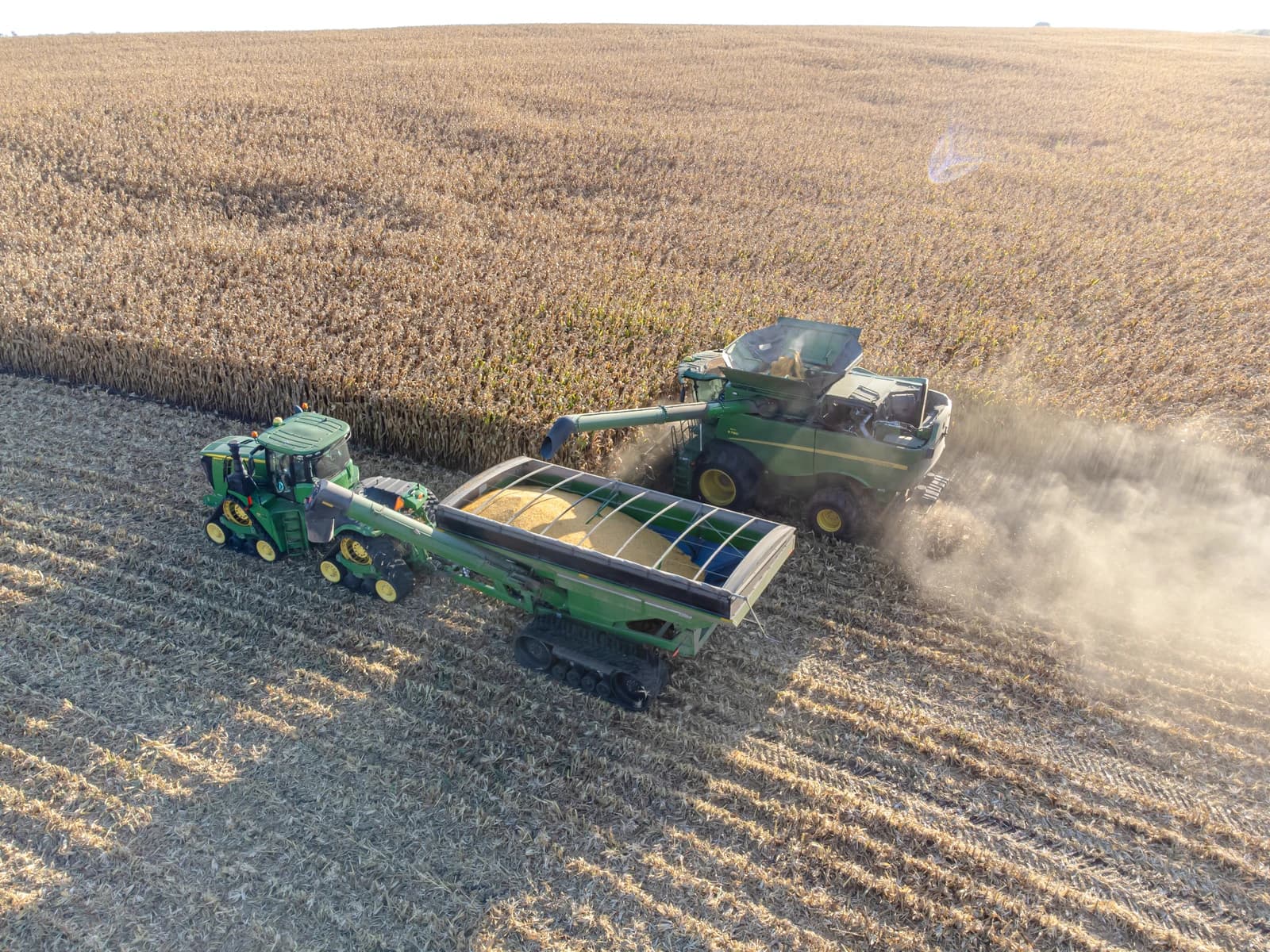
The wider market backdrop supports the thesis. Corn prices have been under pressure from global competition, but they have also stayed sensitive to supply tightness, livestock feed demand and USDA expectations. That makes any domestic crop that can command a premium through quality, traceability and local sourcing more attractive than a plain commodity strategy. In Europe, where consumers are increasingly willing to pay for organic and regionally produced foods, food-corn cultivation could carve out a defensible niche.
The challenge now is execution. Germany will need more targeted breeding, more processing capacity and better agronomic guidance before food corn scales meaningfully. But the research suggests the opportunity is real: if the sector can close the yield-quality gap, corn could move from a marginal domestic field crop into a higher-value specialty supply chain.
| Entity | Gains | Losses |
|---|---|---|
| German organic farmers | ▲Higher-value niche crop | ▼Dependence on imported corn |
| Plant breeders | ▲Demand for quality-focused varieties | ▼Pure yield-first breeding models |
| Food processors | ▲Local supply and traceability | ▼Import-linked procurement |
| Bulk corn importers | ▲ | ▼Market share in food-grade corn |