Care and medication are pushing Germany’s healthcare spending higher, and that matters far beyond the hospital ward. When a country as large and fiscally disciplined as Germany sees health costs accelerate, it is a reminder that aging populations, more intensive treatment and pricier medicines are becoming a permanent economic headwind.
Germany Healthcare Costs Signal Sector Tailwinds

The bigger issue for investors is that healthcare inflation does not stay confined to one line item in the budget. It ripples through employers, insurers, pharmaceutical companies and ultimately consumers. As spending rises, governments face harder choices about reimbursement, tax funding and public debt. For investors, that can mean stronger pricing power for drugmakers and care providers, but also more pressure on payers and more scrutiny on margins across the system.
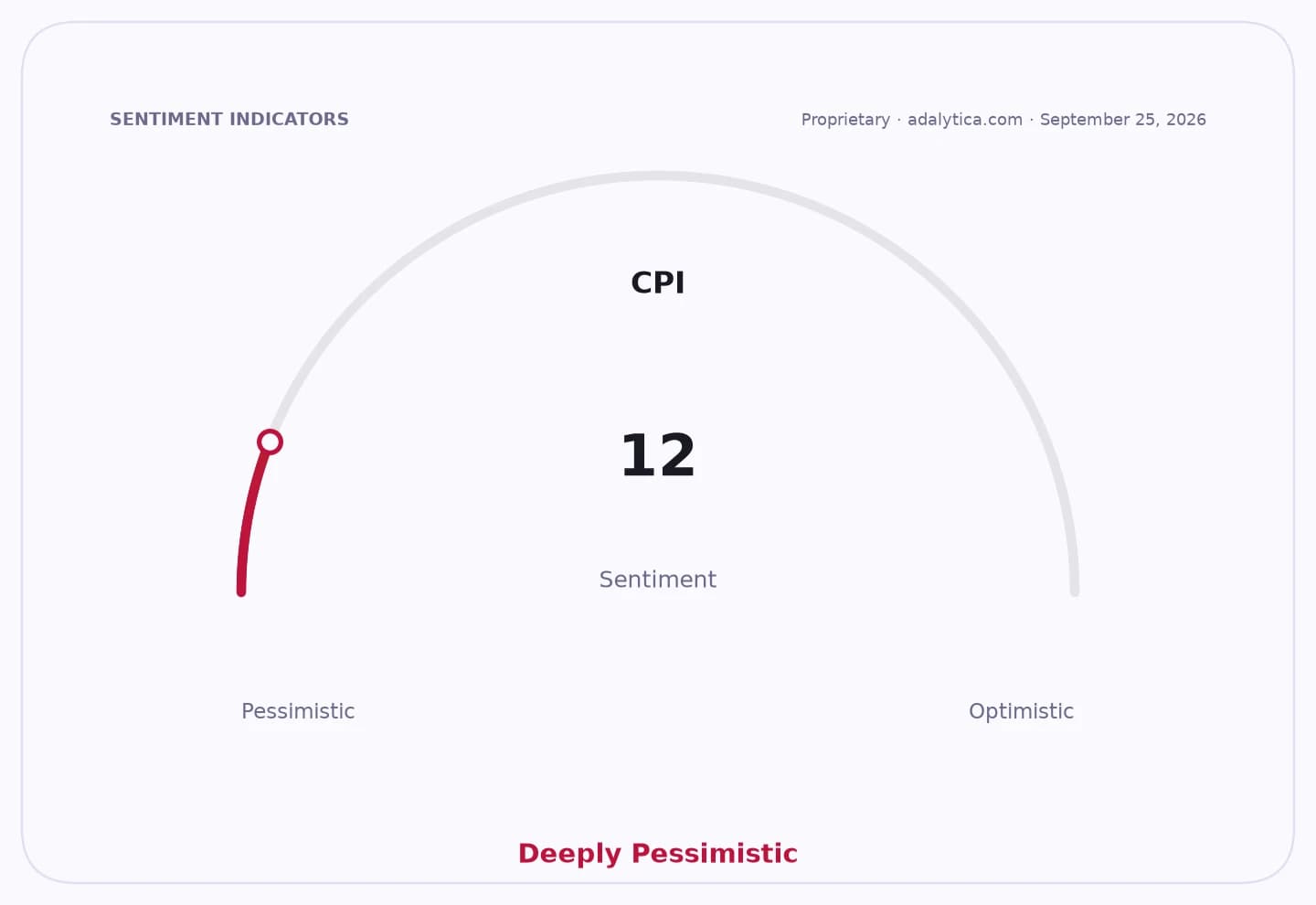
Sentiment IndicatorsⓘProprietary · adalytica.com · July 21, 2026
This is a snapshot — live sentiment, awareness and momentum for 130+ markets update continuously in the dashboard.Open AlphaPulse
That’s the narrative now taking shape in Germany: demand for care is proving sticky, and medication costs are adding another layer of strain. In practical terms, that supports the idea that healthcare is not just a defensive sector in the stock market, but one of the clearest beneficiaries of a structural shift in the real economy. The aging of Europe is not a one-quarter story. It is a multi-year spending cycle.
That backdrop helps explain why the healthcare trade remains resilient even when broader sentiment wobbles. The Health Care Select Sector SPDR Fund has stayed above its 50-day and 200-day moving averages, while momentum indicators such as RSI and MACD have cooled from earlier peaks but remain constructive. Biotechnology, tracked by the iShares Nasdaq Biotechnology ETF, has also held up better than many cyclical sectors, underscoring that investors are still willing to pay for growth where pricing and innovation remain intact.
Individual names tell the same story. Pfizer has been working through volatility, but its stock is still trading near its key moving averages, suggesting investors are treating pharma as a long-term cash-flow business rather than a short-term trade. For companies like CVS and the major managed-care insurers, though, the message is less comfortable: higher utilization and medical-cost inflation can squeeze profitability if premium increases do not keep pace.
Adalytica’s Healthcare Spending Sentiment gauge shows fear, even as consumer spending sentiment remains in extreme greed. That split is telling. Households may still be spending, but the cost of keeping populations healthy is rising fast enough to make policymakers and investors nervous. In other words, healthcare is becoming less about optional growth and more about necessary inflation.
For long-term investors, the key is not to chase the noise, but to recognize the compounding power of this trend. Rising healthcare spending can support select drugmakers, medical-device companies and diversified healthcare funds over a 3- to 10-year horizon. The risk is that governments respond with tighter controls on prices and reimbursement, which could cap upside for insurers and some pharmaceutical suppliers.
Even so, the secular case remains hard to ignore. Germany’s rising healthcare bill is another sign that demand for care is durable, not discretionary. That makes the sector worth watching, and for patient investors, it may still be one of the more durable places to compound capital over time.
| Entity | Gains | Losses |
|---|---|---|
| Drugmakers | ▲higher pricing power | ▼tougher reimbursement scrutiny |
| Healthcare providers | ▲more patient demand | ▼margin pressure from costs |
| Insurers/payers | ▲none | ▼rising claims and utilization |
| Long-term healthcare investors | ▲durable secular growth | ▼policy risk and volatility |