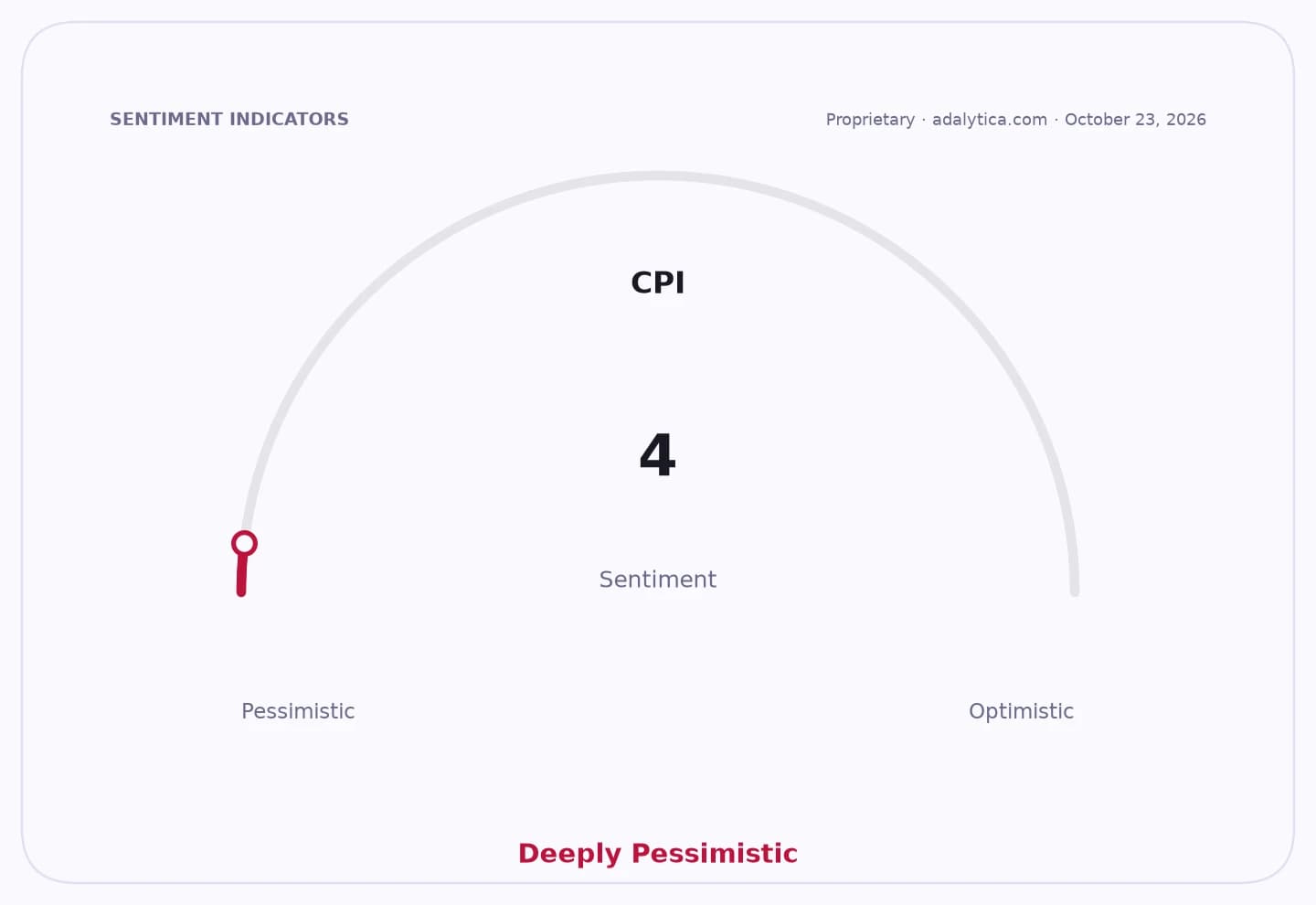
Germany’s inflation fight is not over, and that matters because it keeps pressure on European borrowing costs, household spending and rate-cut bets across the euro area. The Bundesbank said on Monday that inflation in Germany is likely to remain “noticeably elevated” into next year, with the return to the European Central Bank’s 2% target taking “some time” as energy shocks and still-strong wage growth feed through the economy.
Germany Inflation Seen Staying Elevated Into 2027
That is the key market message: this is no longer just a one-month spike in fuel prices, but a stickier price environment that can leak into everything from groceries to services. German consumer prices rose 3.3% in September, the highest in nearly three years, after global oil prices moved above $100 a barrel earlier in the year on Middle East tensions. The Bundesbank said the pass-through into the broader basket of consumer goods and services tends to unfold gradually, meaning the inflation pulse could remain alive well into 2027 if energy costs stay high.
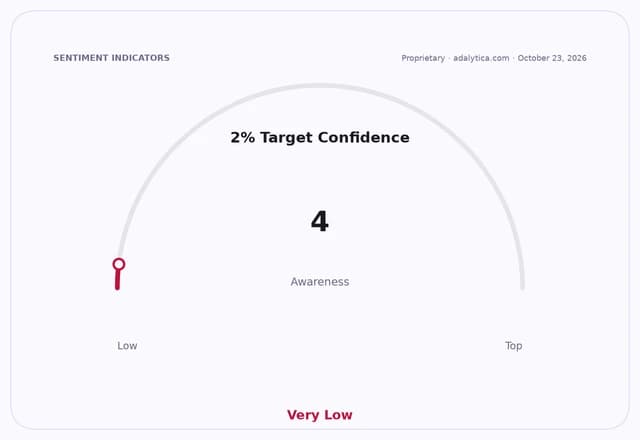
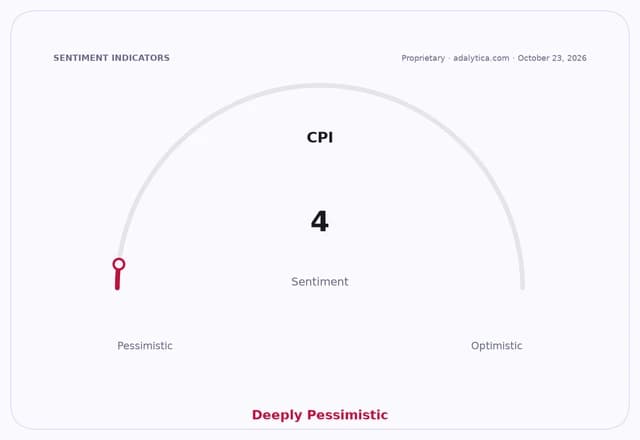
Sentiment IndicatorsⓘProprietary · adalytica.com · October 23, 2026
This is a snapshot — live sentiment, awareness and momentum for 130+ markets update continuously in the dashboard.Open AlphaPulse
For investors, the implications are immediate. Bond markets have to price a longer period of restrictive monetary policy, while rate-sensitive sectors face a tougher backdrop than the disinflation narrative has suggested. German and eurozone yields should stay supported if traders conclude the ECB cannot pivot aggressively lower. That is also why the 10-year Treasury yield near 5.15% in the U.S. matters for the global duration trade: inflation persistence is becoming the dominant macro theme again, not just in America but across developed markets.
The Bundesbank’s assessment still stops short of a repeat of the 2021-22 inflation surge. It said the current shock is narrower than the last one because it is concentrated more in oil and refined products than in gas and electricity, while supply chains are less strained and demand is softer. Even so, the central bank warned that services inflation was already elevated before the Middle East conflict and that “still pronounced wage growth” is adding to the pressure. That combination is exactly what keeps core inflation sticky and reduces the odds of a quick retreat to target.
That is where the opportunity — and the risk — lies for investors. If inflation stays elevated longer than consensus expects, real assets and pricing-power businesses should outperform while long-duration bonds, rate-sensitive consumer names and highly leveraged balance sheets remain vulnerable. The recent move in gold and the resilience in defensive consumer staples underscore that the market is already hedging this regime shift. XLP has been climbing, while gold has held up despite volatility, a sign that investors are paying for inflation protection even as growth cools.
The bigger narrative is simple: the market keeps looking for a clean disinflation runway, but energy, wages and services are making the landing messier. I believe that means investors should stay tilted toward pricing power, commodities, energy infrastructure and inflation beneficiaries rather than chasing the idea of rapid rate relief. If the Bundesbank is right, the next leg of the macro trade is not a soft landing — it is a longer, more expensive war against sticky inflation.
| Entity | Gains | Losses |
|---|---|---|
| Energy producers | ▲Higher fuel prices | ▼Consumers and airlines |
| German exporters with pricing power | ▲Margin protection | ▼Import-dependent retailers |
| Bond investors | ▲Short-duration paper | ▼Long-duration sovereign debt |
| Consumer staples | ▲Defensive demand | ▼Discretionary spending names |