Germany’s plan to team up with Nvidia on industrial artificial intelligence gives Europe’s largest economy a fresh bid to speed factory automation, digital twin development and robotics — a move that could affect productivity, investment and the region’s competitive position.
Germany Nvidia AI Plan Targets Factory Automation

The initiative, discussed under the government’s existing “Platform Industrie 4.0,” centers on two areas with direct economic payoff: physical AI for training robots and autonomous vehicles, and large AI models that can simulate production steps or entire factory operations. That makes it more than a symbolic partnership. It is a policy bid to lower the cost of adopting AI across German manufacturing, where slower productivity growth has long been a drag on output and margins.
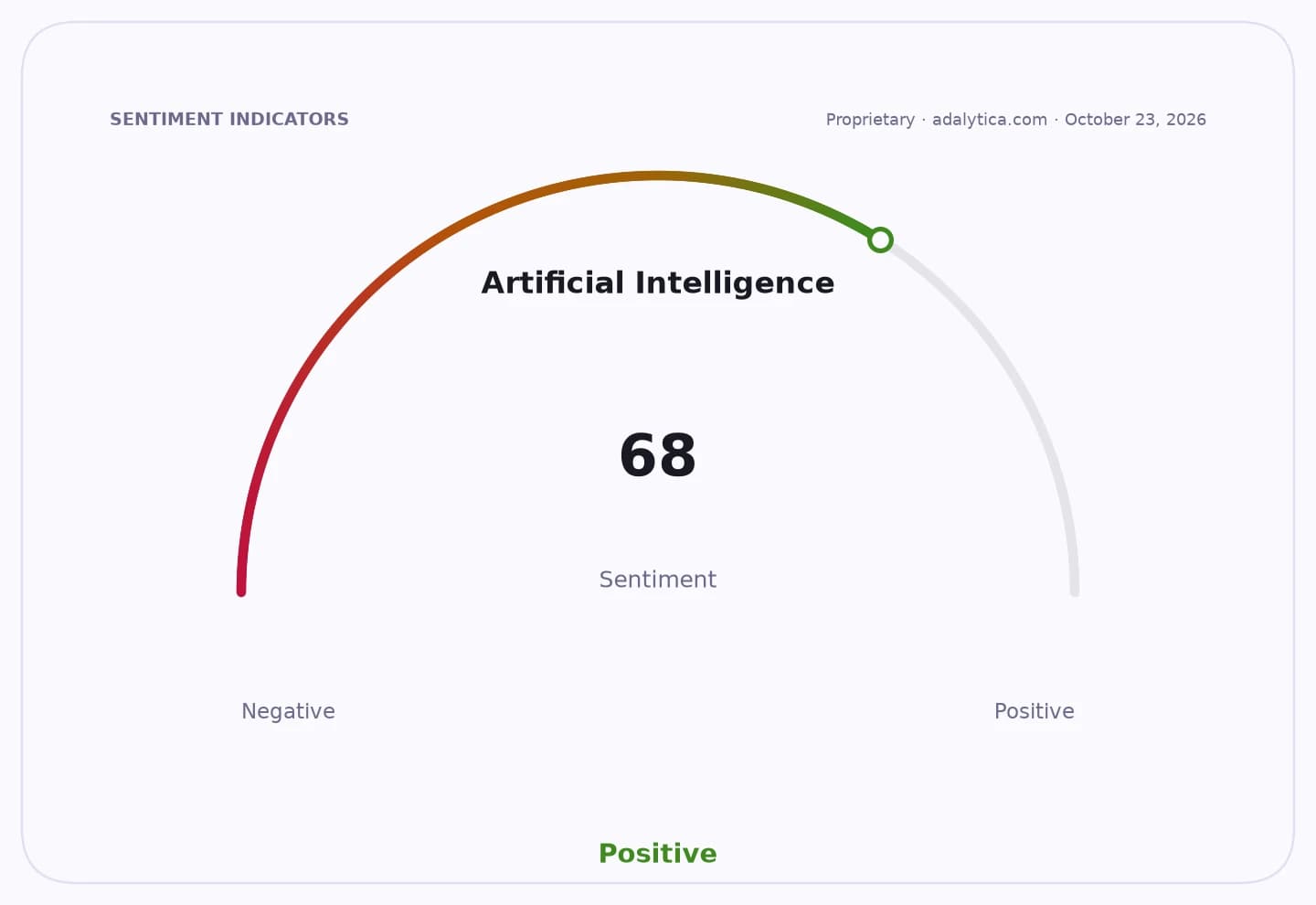
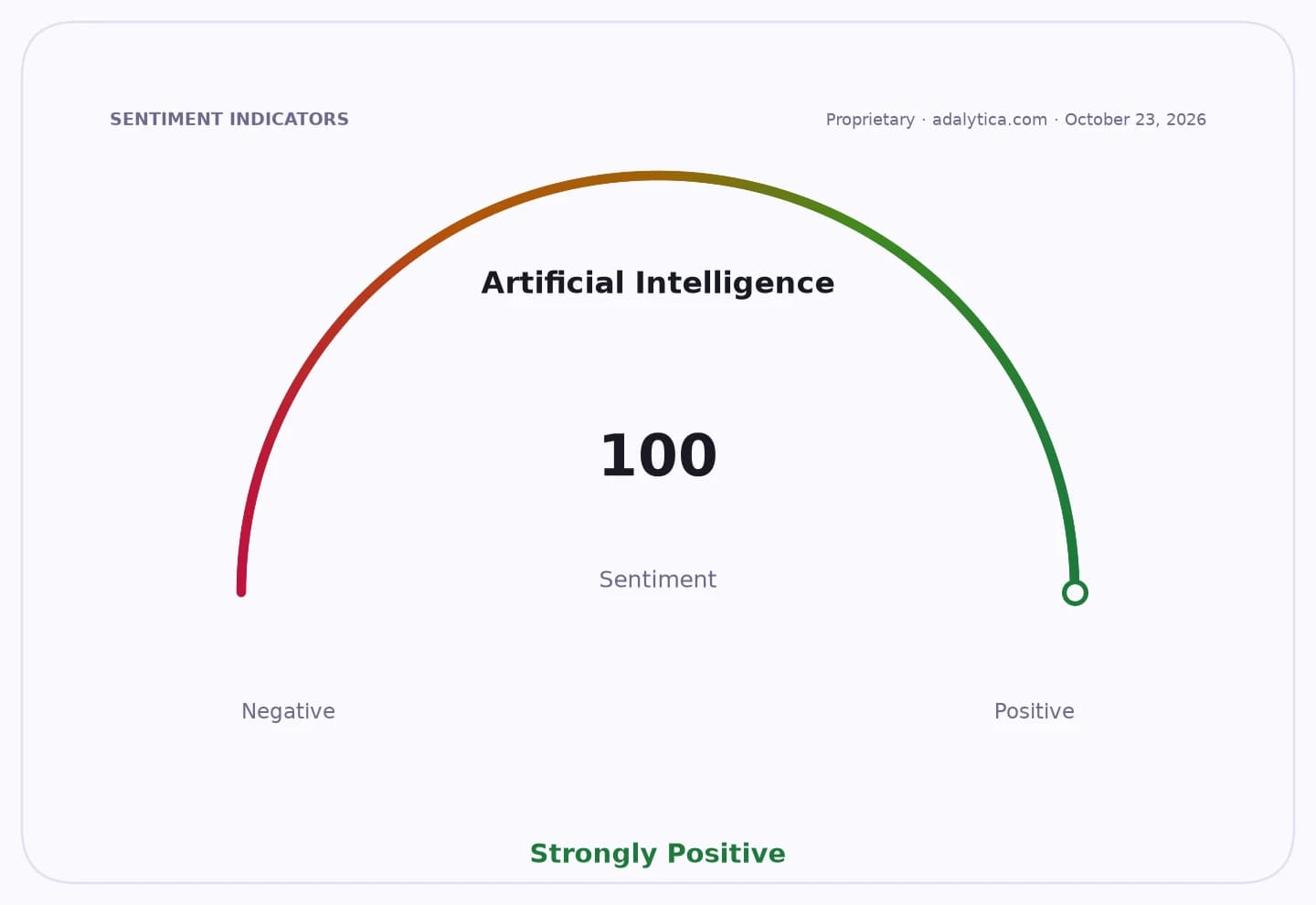
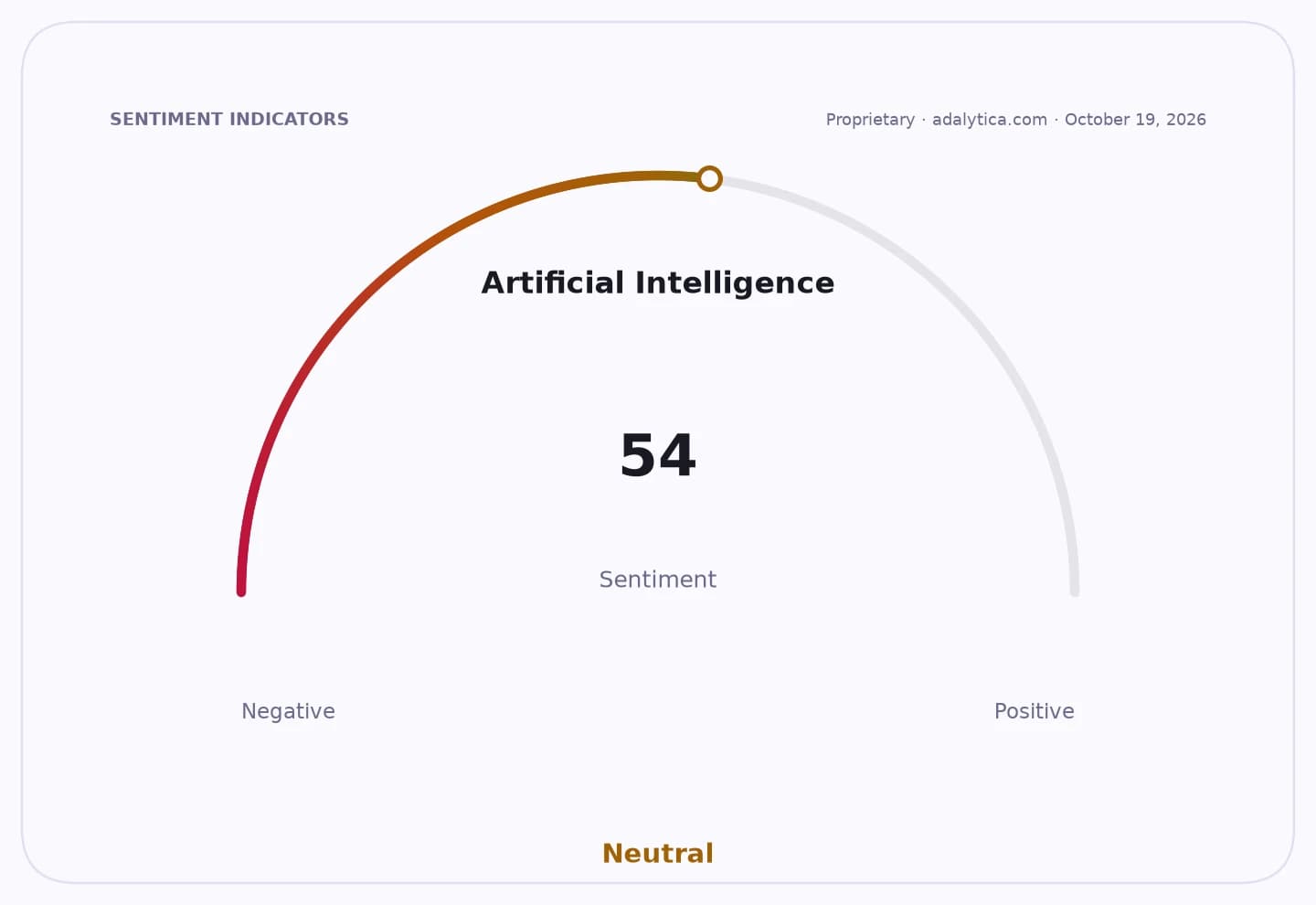
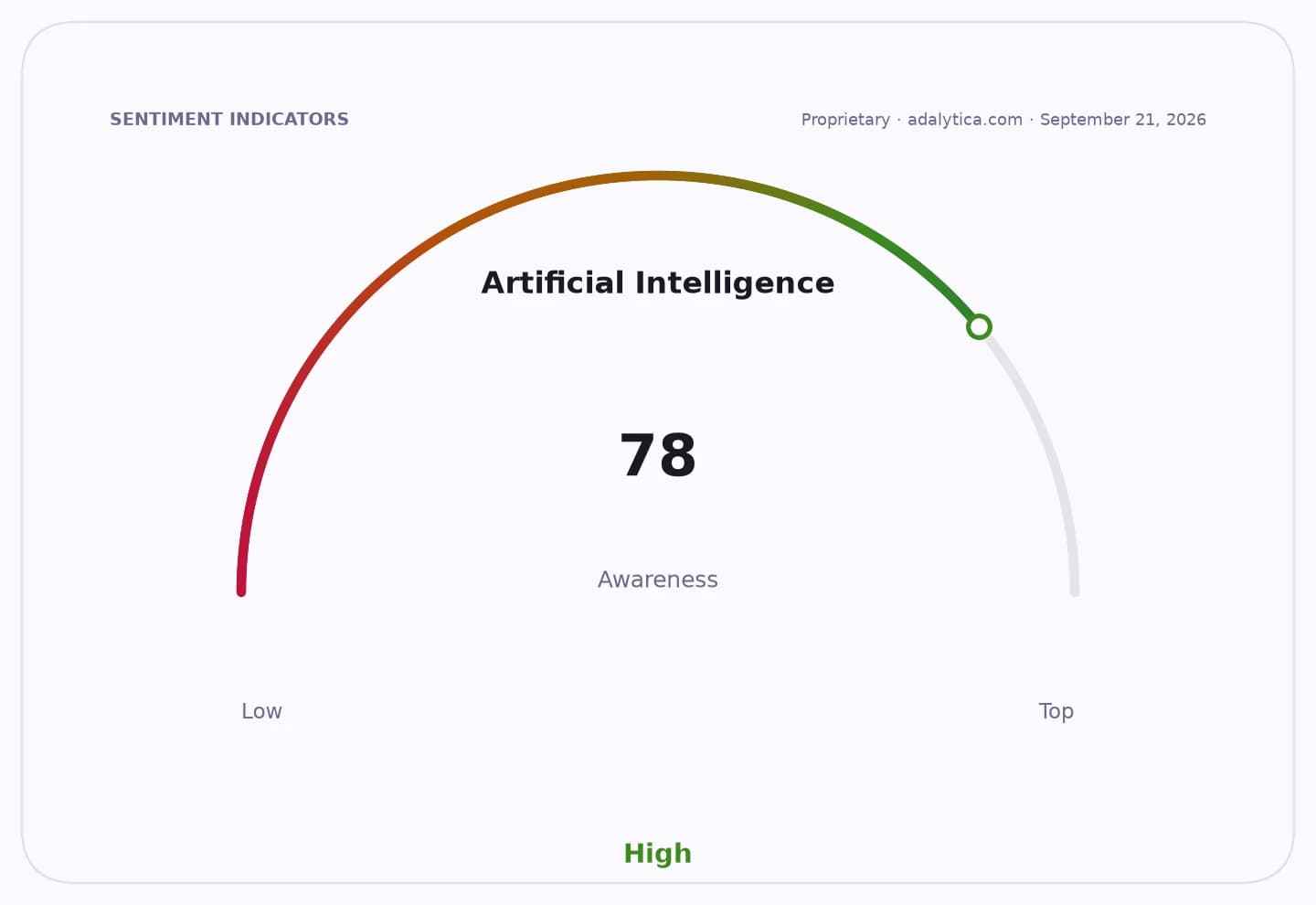
Sentiment IndicatorsⓘProprietary · adalytica.com · October 23, 2026
This is a snapshot — live sentiment, awareness and momentum for 130+ markets update continuously in the dashboard.Open AlphaPulse
The paper backing the cooperation says industrial AI offers “significant opportunities” for German industry and calls it a prerequisite for long-term competitiveness, productivity growth and innovation. A task force is expected to focus on implementation, suggesting Berlin wants this to move beyond a headline announcement and into deployment in factories and industrial supply chains.
For Nvidia, the pact extends a strategy already visible in its business model: selling more than chips, and embedding its data-center and AI platforms into enterprise and sovereign customers. Nvidia has said it is working with select AI cloud partners and that commitments tied to these relationships totaled $36 billion as of late July, underscoring how the company is trying to lock in demand beyond hyperscale cloud spending.
Investors are likely to see the deal as another sign that AI spending is broadening from cloud training into industrial use cases, with Europe potentially becoming a larger addressable market for Nvidia’s hardware and software stack. It also reinforces the view that AI adoption is increasingly a government-backed industrial policy issue, not just a private-sector capex cycle.
Nvidia shares have pulled back from recent highs, with the stock last at $211.99, below its 50-day moving average of $222.41 and near the lower end of its recent range. Standard technical indicators also show the stock’s RSI at 22.5, which points to a short-term oversold reading. Microsoft, another key AI beneficiary, closed at $523.98, while Taiwan Semiconductor Manufacturing finished at $417.44, reflecting how the AI supply chain remains central to market positioning even as individual names trade unevenly.
The next test is execution: whether Germany’s task force can turn the agreement into real factory deployments, and whether broader AI demand in Europe follows from pilot projects to budgeted industrial spending.
| Entity | Gains | Losses |
|---|---|---|
| Nvidia | ▲European industrial demand | ▼Buyers waiting on rollout |
| German manufacturers | ▲Productivity gains | ▼Firms slow to adopt |
| Microsoft | ▲Broader AI ecosystem spending | ▼None directly |
| TSMC | ▲Upstream chip demand | ▼Capacity tied to AI cycle |