The federal government’s decision to put the planned expansion of the oil pipeline serving PCK Schwedt to the test has turned a regional fuel-supply issue into a broader question about Germany’s energy security, European refining economics and the earnings path for North American and global pipeline operators.
Germany Pipeline Review Supports Midstream Assets
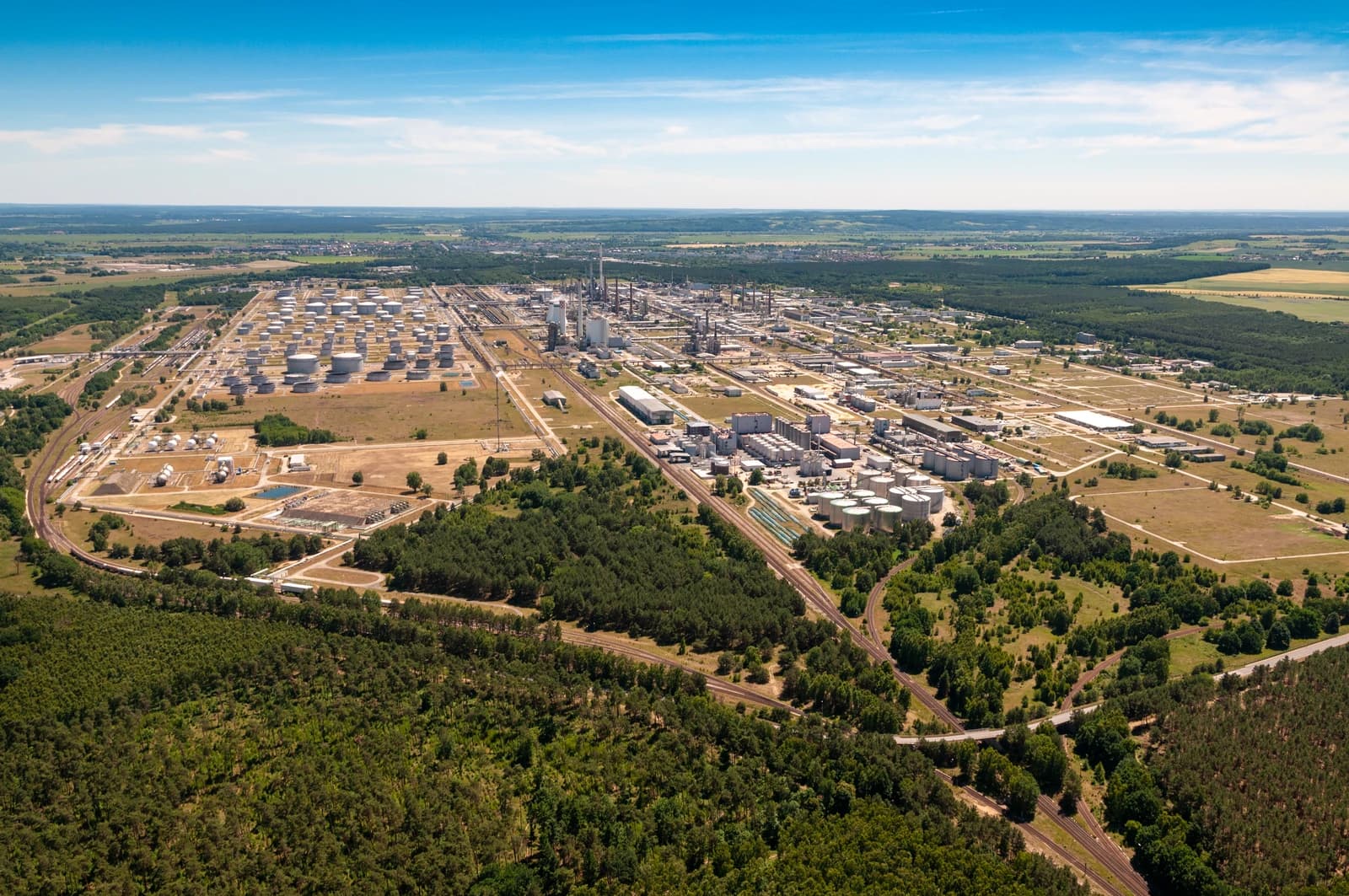
The immediate economic significance is straightforward: any move that increases the reliability and flexibility of crude deliveries into eastern Germany can help reduce bottlenecks for a refinery that remains strategically important for the local fuel market. For Germany, that matters because tighter logistics can feed through to diesel, gasoline and heating-fuel availability, especially if existing supply routes are disrupted or politically constrained. For investors, the bigger issue is that pipeline capacity decisions can affect throughput, contract stability and the pricing power of transport assets across the midstream sector.
Sentiment IndicatorsⓘProprietary · adalytica.com · July 21, 2026
This is a snapshot — live sentiment, awareness and momentum for 130+ markets update continuously in the dashboard.Open AlphaPulse
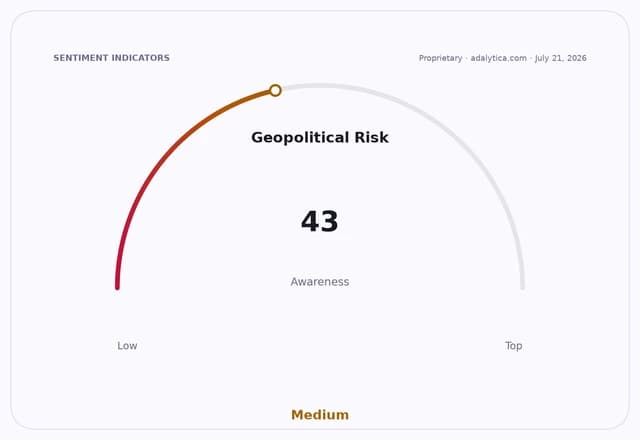
The market backdrop has been unusually sensitive to supply-route risk. Global oil logistics have become more politically charged after Kazakhstan suspended crude flows to Germany via Druzhba, while Iraq and Syria signed an agreement to revive an idle pipeline aimed at bypassing the Strait of Hormuz. Against that backdrop, pipeline projects are being judged less as isolated infrastructure investments and more as insurance against geopolitical shock. Recent attacks on oil infrastructure in the Gulf and elsewhere have reinforced that view. Adalytica’s global stability gauge is flashing extreme fear, underscoring how fragile route security has become even as oil prices remain broadly contained.
That mix helps explain why midstream names have held investor attention. Shares of Enbridge, TC Energy and Plains All American Pipeline have all traded above their 200-day moving averages, a sign that the market is still willing to pay for fee-based infrastructure exposure despite volatile commodity sentiment. Plains All American, for example, has climbed sharply in recent months, while TC Energy and Enbridge have also regained ground after earlier swings. The move has been supported more by expectations of durable transport demand than by any view that crude prices are about to break out.
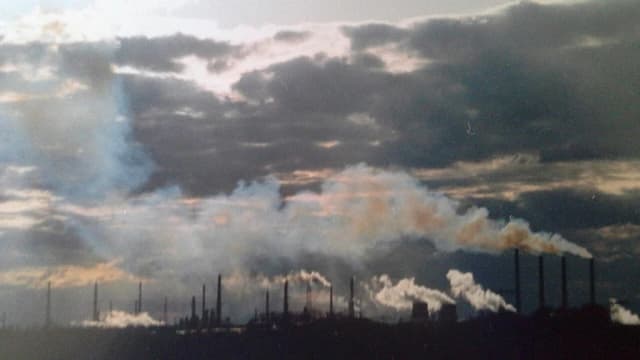
For PCK, the test of the pipeline expansion is ultimately a test of whether Germany wants to treat eastern fuel supply as a strategic utility problem or as a market problem. A larger or more flexible line would favor refiners, shippers and pipeline owners by improving flow assurance and reducing the risk of localized shortages. But the bear case is that regulatory scrutiny, environmental opposition and the politics of Russian-linked infrastructure could delay or dilute the project enough to keep the asset underused. Enbridge’s latest filings also highlight that environmental activism, permitting delays and geopolitical conditions remain material risks to infrastructure execution.
For investors, the central implication is that pipeline capacity is becoming a policy variable, not just an engineering one. If Berlin backs the expansion, it would strengthen the case for midstream assets tied to secure long-haul volumes and could further support valuations for fee-based transport operators. If it stalls, the market may conclude that Europe’s refining and fuel-supply chain remains exposed to route disruptions, keeping a risk premium on logistics-linked energy assets.
The next catalyst is whether the federal review leads to concrete approvals, financing and construction timing. Until then, the story is less about one pipeline than about how governments are being forced to choose between energy security, climate politics and infrastructure reliability.
| Entity | Gains | Losses |
|---|---|---|
| PCK refinery | ▲Better fuel security | ▼Continued supply uncertainty |
| Pipeline operators | ▲Higher throughput potential | ▼Regulatory delay risk |
| German fuel consumers | ▲Lower shortage risk | ▼Higher logistics fragility |
| Environmental opponents | ▲— | ▼Reduced influence if approved |