Germany has begun the long-expected reprivatization of Sefe, the former Gazprom unit it rescued with about 6 billion euros after Russia’s invasion of Ukraine, a move that could reshape Europe’s gas market and return a politically sensitive energy asset to private ownership.
Germany begins reprivatizing Sefe gas unit
That matters because Sefe is not just another state-backed company. It sits at the center of Germany’s post-crisis energy reordering, and its sale will test whether Berlin can unwind emergency intervention without reigniting supply worries or taking a loss on one of the most high-profile bailouts of the war era. The state’s estimated 6 billion-euro valuation underscores how much public money is tied up in the company and how closely the government wants to manage the exit.
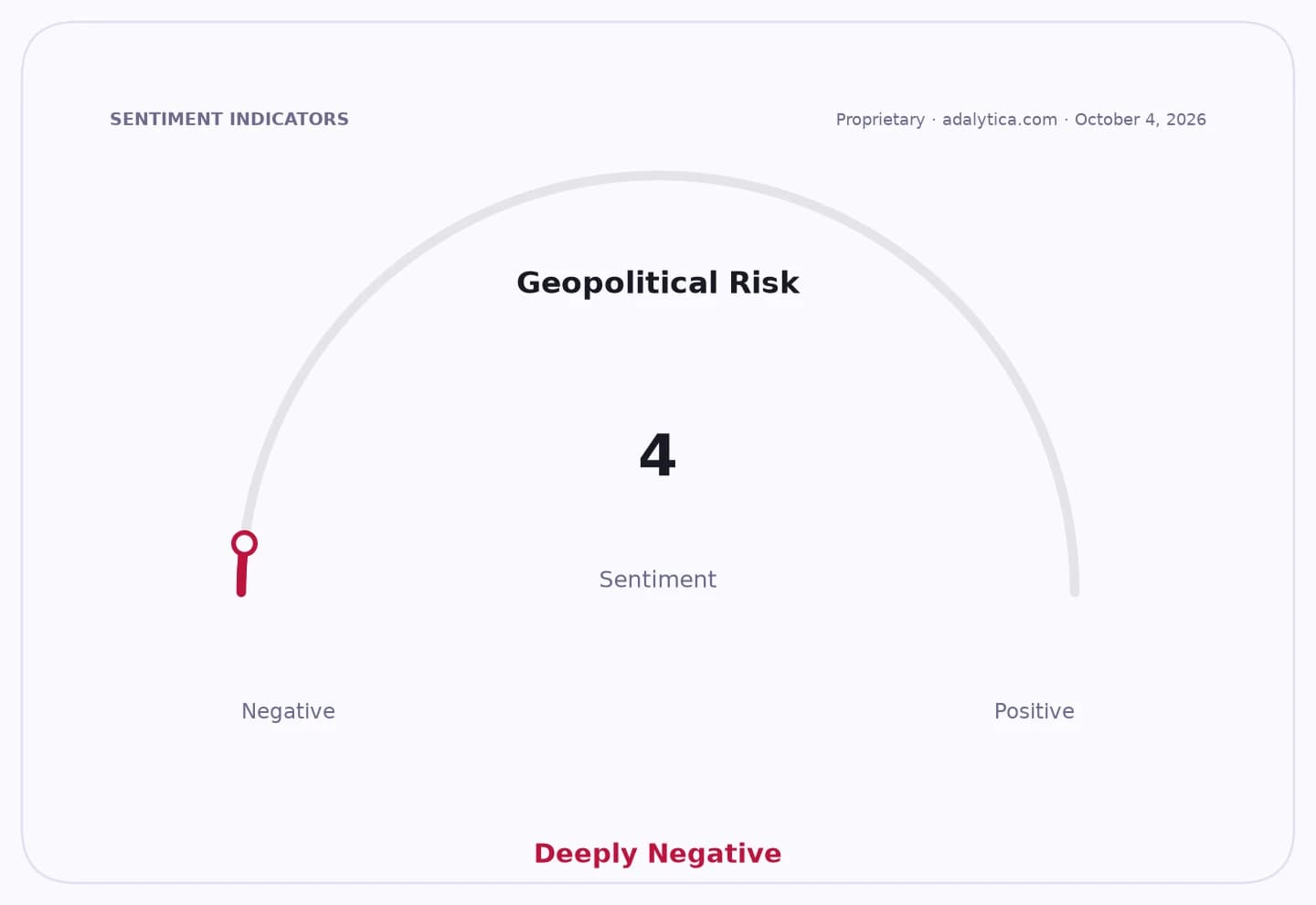
Sentiment IndicatorsⓘProprietary · adalytica.com · October 3, 2026
This is a snapshot — live sentiment, awareness and momentum for 130+ markets update continuously in the dashboard.Open AlphaPulse
According to the Börsen-Zeitung, the economy ministry has invited law firms to bid for legal advice on the process, with a contract due by Nov. 1. Investment banks are also seeking mandates from the state development bank KfW, which holds the privatization role. That suggests the government is moving from political intent to transaction mode, a meaningful step for investors following Europe’s energy reset.
For the market, the story is less about a single asset sale than about the durability of Europe’s energy system after the shock of losing Russian pipeline supplies. Germany has spent years replacing that dependence with new supply chains, storage, and market-based procurement. A successful Sefe sale would signal confidence that the emergency phase is over and that the gas business can now be run on commercial terms again.
It also has implications beyond Berlin. European gas remains shaped by geopolitics, from the war in Ukraine to the scramble for LNG and pipeline alternatives. Any reprivatization will be watched by utilities, infrastructure investors and energy traders for clues about whether governments intend to step back further from direct ownership, or whether strategic energy assets will stay under tighter public control.
For long-term investors, the key point is that this is another sign of a structural, not temporary, shift in Europe’s energy landscape. The region is still rebuilding around security of supply, higher capital spending and a more diversified fuel mix. That creates opportunity for private operators, infrastructure owners and integrated energy companies, while leaving taxpayers to clean up the balance sheets created by the crisis.
Sefe’s sale will not be a quick trade, and it may take time to complete. But the direction is clear: Germany is trying to turn a wartime rescue into a market asset again. Investors should keep it on the watchlist as a measure of how far Europe’s energy normalization has progressed.
| Entity | Gains | Losses |
|---|---|---|
| German state/KfW | ▲recoups capital | ▼retains political risk |
| Private buyers/investors | ▲access to strategic gas asset | ▼face regulatory scrutiny |
| Sefe | ▲return to commercial status | ▼public ownership shield fades |
| Taxpayers | ▲potential bailout recovery | ▼exposed if sale price disappoints |