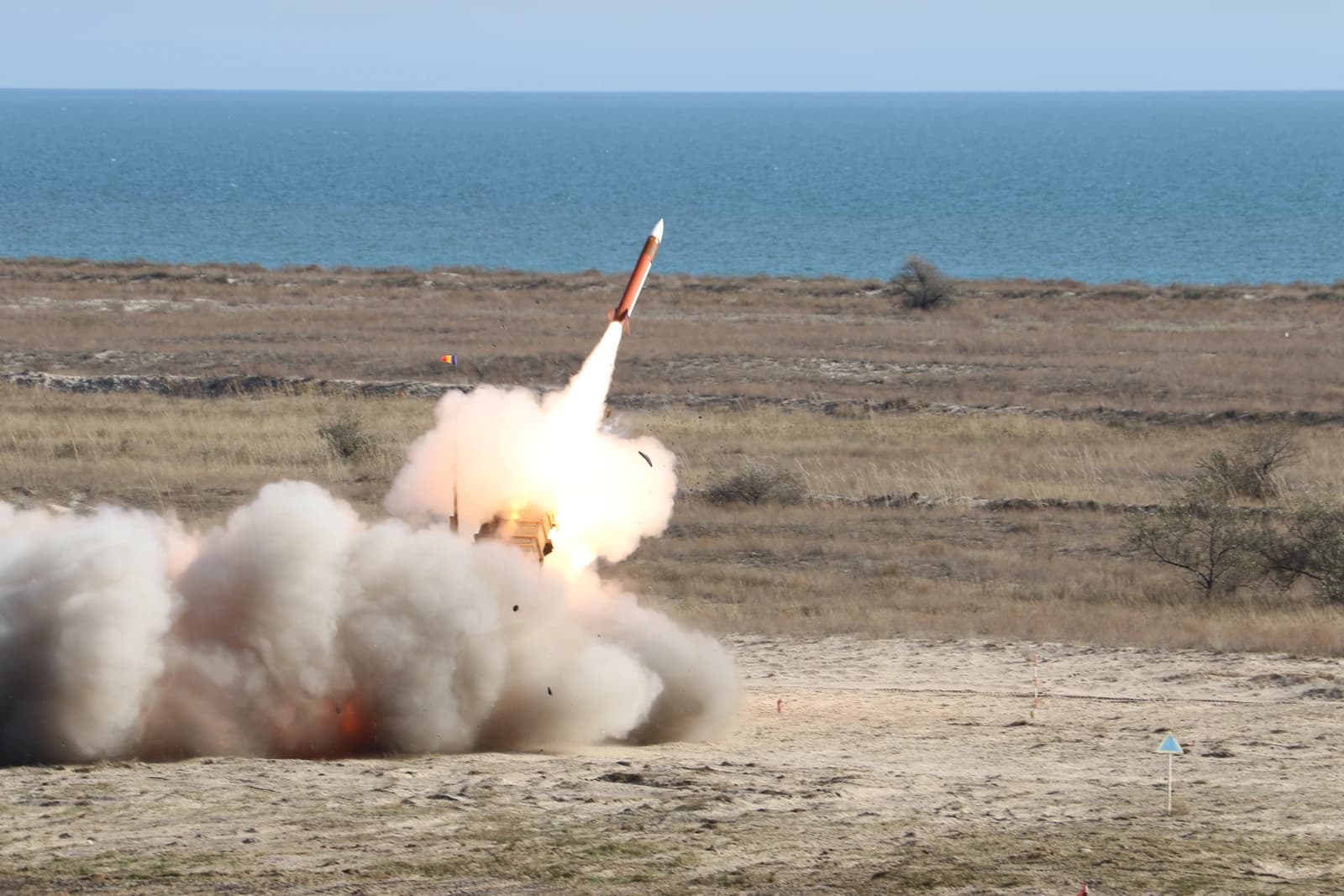
Russia has warned that relations with Germany could change if Berlin transfers Taurus cruise missiles to Ukraine, raising the political and military stakes of a weapons package that Moscow says would require German specialists to operate.
Germany Taurus Missile Debate and Defense Stocks
That matters because Taurus would give Kyiv a longer-range strike option at a time when the war is already widening from the battlefield into Europe’s industrial base, energy system and defense budgets. Any German decision to approve the missiles would not just be another ammunition shipment; it would deepen Berlin’s direct exposure to the conflict and invite a fresh round of Russian retaliation rhetoric aimed at deterring NATO’s biggest European economy.
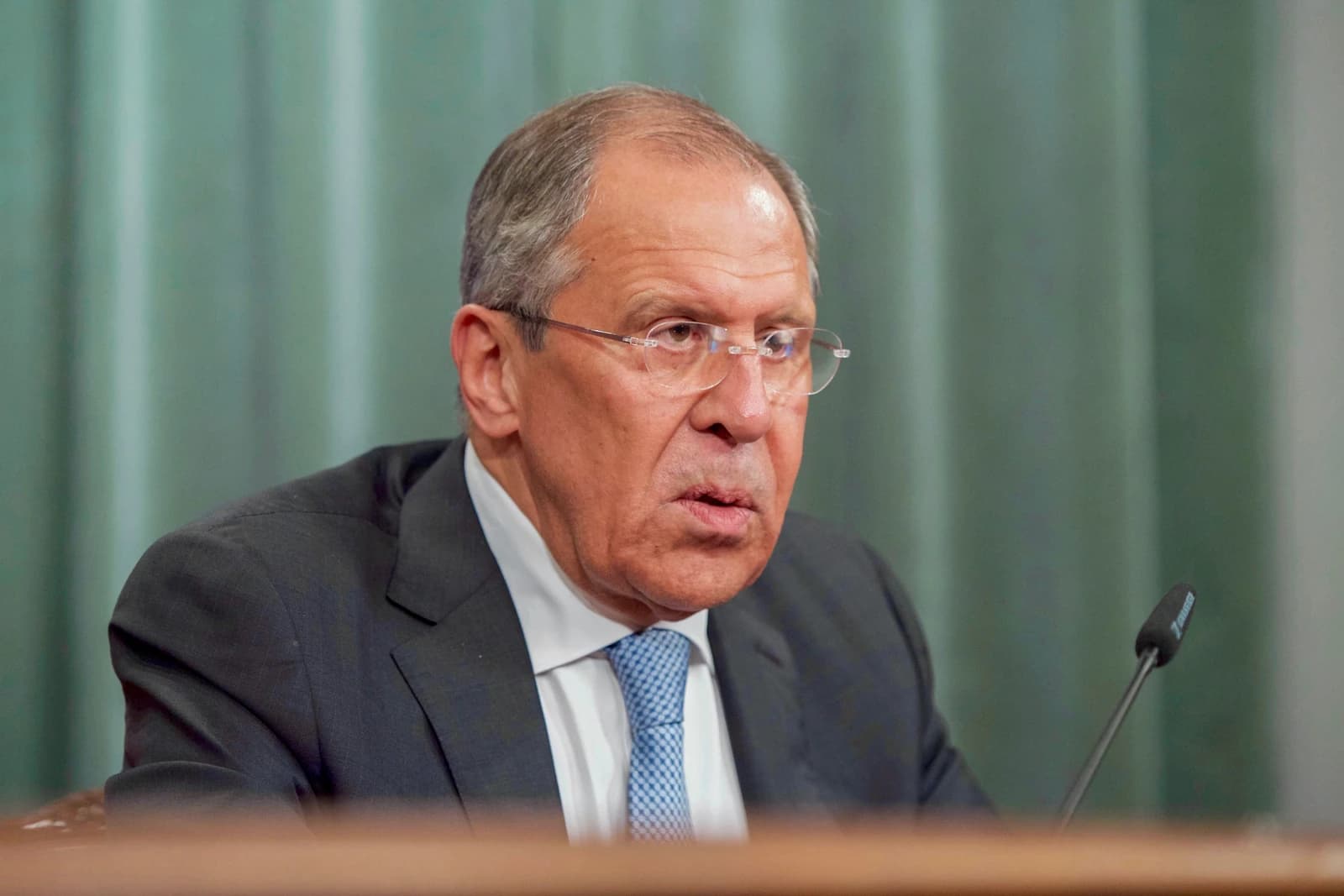
Russian ambassador Sergei Nechaev said German personnel would have to handle the missiles because Ukrainians “are not in a position” to do so themselves, framing the issue as a qualitative shift rather than a routine arms transfer. His comments, carried by TASS, came as Western governments continue to debate how far they are willing to go in arming Ukraine after repeated Russian strikes on infrastructure.
For investors, the market implication is straightforward: the war premium is not going away, and Europe’s defense rearmament trade still has room to run. Every escalation scare reinforces demand for air defense, missile systems, ammunition and command-and-control technology, while also supporting the broader case for higher NATO spending. That dynamic has already fed a powerful rerating in defense names, with U.S. contractors such as Lockheed Martin and Northrop Grumman holding up even as broader markets wobble.
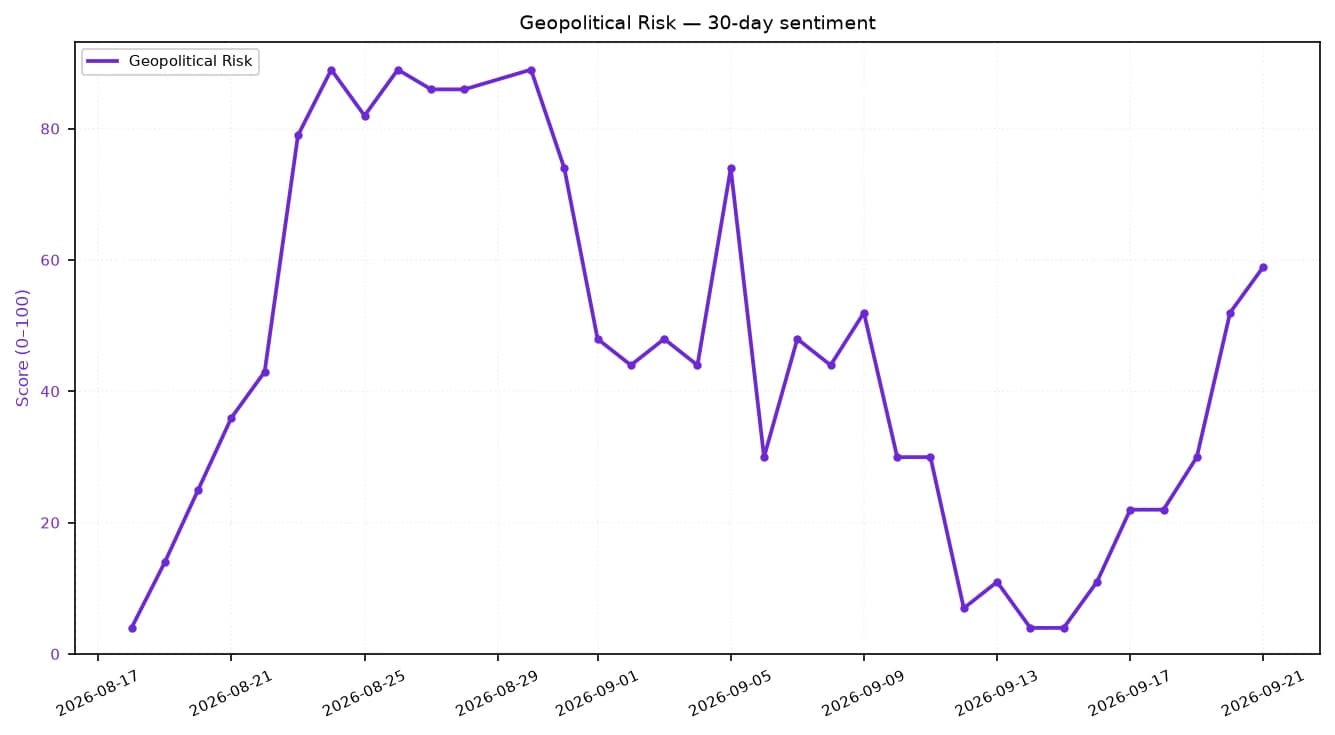
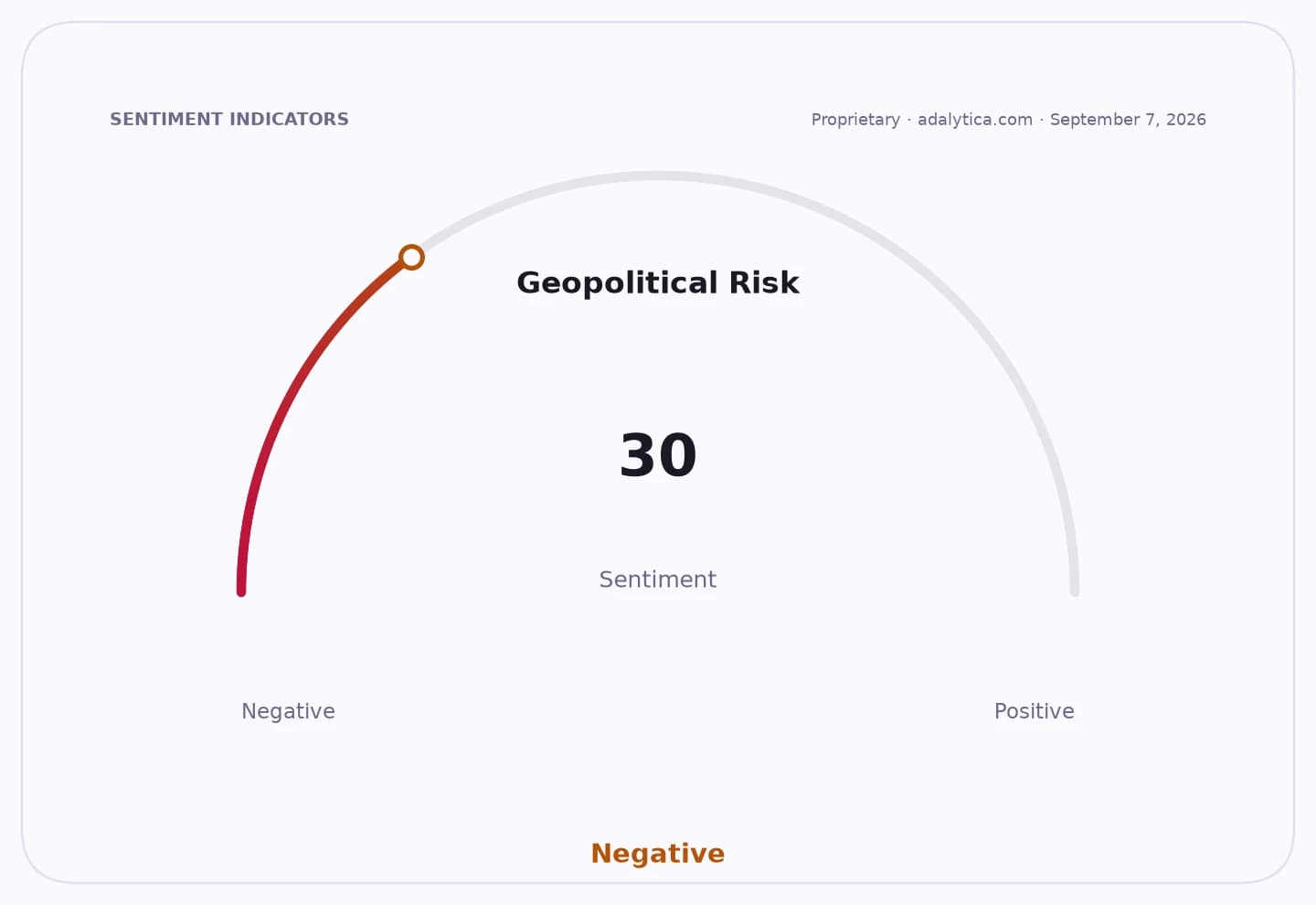
Geopolitical Risk — 30-day sentimentadalytica.com
Explore this data interactively — full history, time series and cross-market comparisons.Open AlphaPulse
The bigger point is that the conflict is moving toward a more durable procurement cycle. If Germany or other allies move forward with more advanced strike systems, Europe will have to replenish inventories faster, harden critical infrastructure and buy more interceptors to offset retaliation risk. That is structurally bullish for defense prime contractors, missile suppliers and the industrial supply chain behind them.
Technical indicators in the market data show how much of that expectation is already priced in. Lockheed Martin has pulled back from recent highs, but its shares remain well above the 50-day moving average and Northrop Grumman has also been volatile after a strong run, suggesting investors are still treating the sector as a geopolitical hedge rather than a short-term trade. The recent swings look more like consolidation than capitulation.
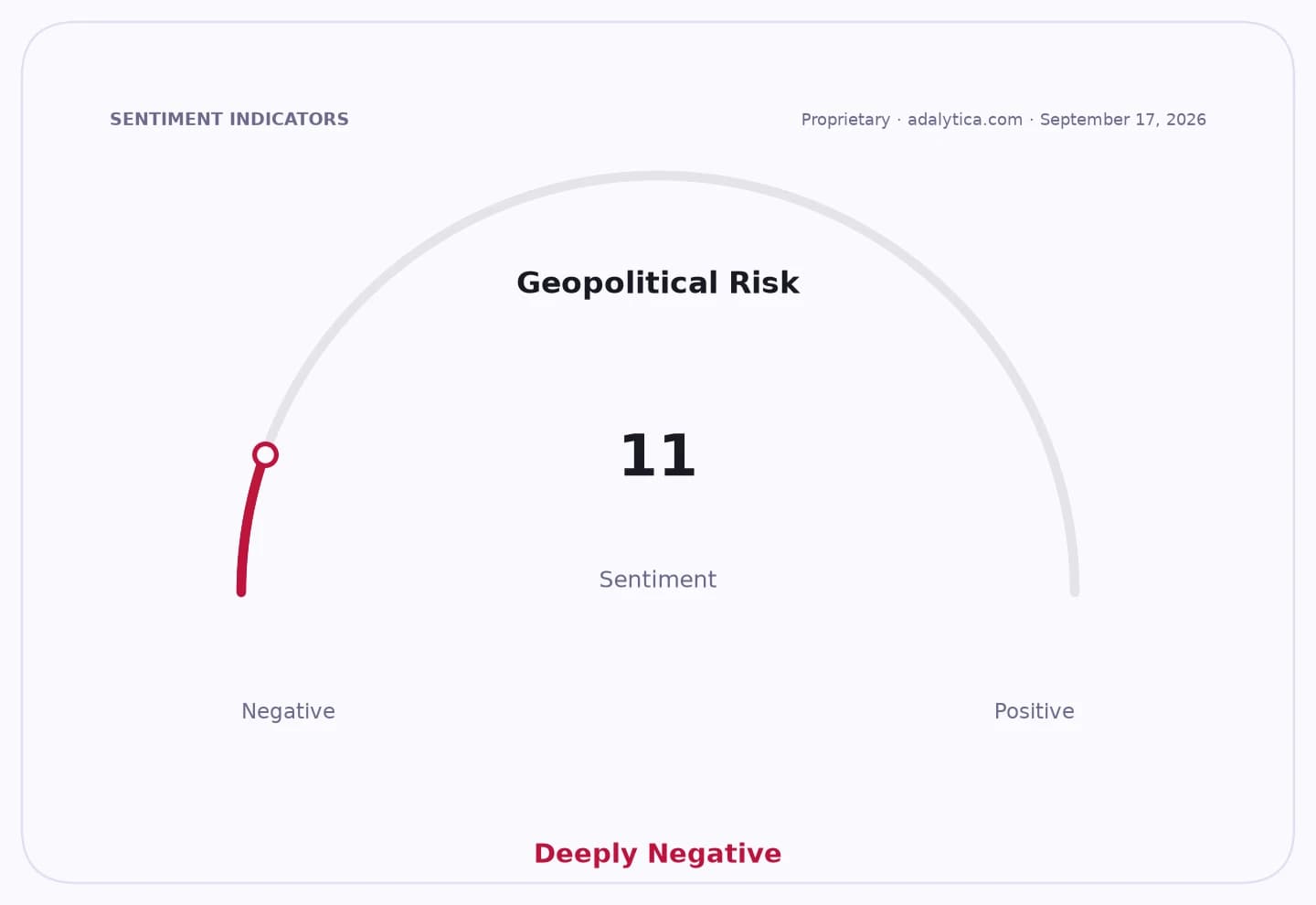
Adalytica’s Global Stability Sentiment gauge has also deteriorated sharply, showing Fear at 30 with awareness still high at 81, a combination that typically keeps capital flowing toward defense and away from cyclical risk. In practical terms, that means geopolitical escalation can keep lifting the valuation floor under contractors even when broader sentiment softens.
The investment takeaway is to stay positioned for a longer war, not a quick diplomatic reset. If Europe keeps edging toward more advanced weapons transfers, the real winners are the firms that make missiles, interceptors, sensors and the logistics systems that sustain them. The market may debate every new red line, but the portfolio answer is to own the picks-and-shovels of rearmament.
| Entity | Gains | Losses |
|---|---|---|
| Defense contractors | ▲Higher orders | ▼Little near-term downside |
| Russia | ▲Deterrence leverage | ▼More NATO unity |
| Germany | ▲Strategic influence | ▼Greater retaliation risk |
| Ukraine | ▲Longer-range strike options | ▼Escalation exposure |