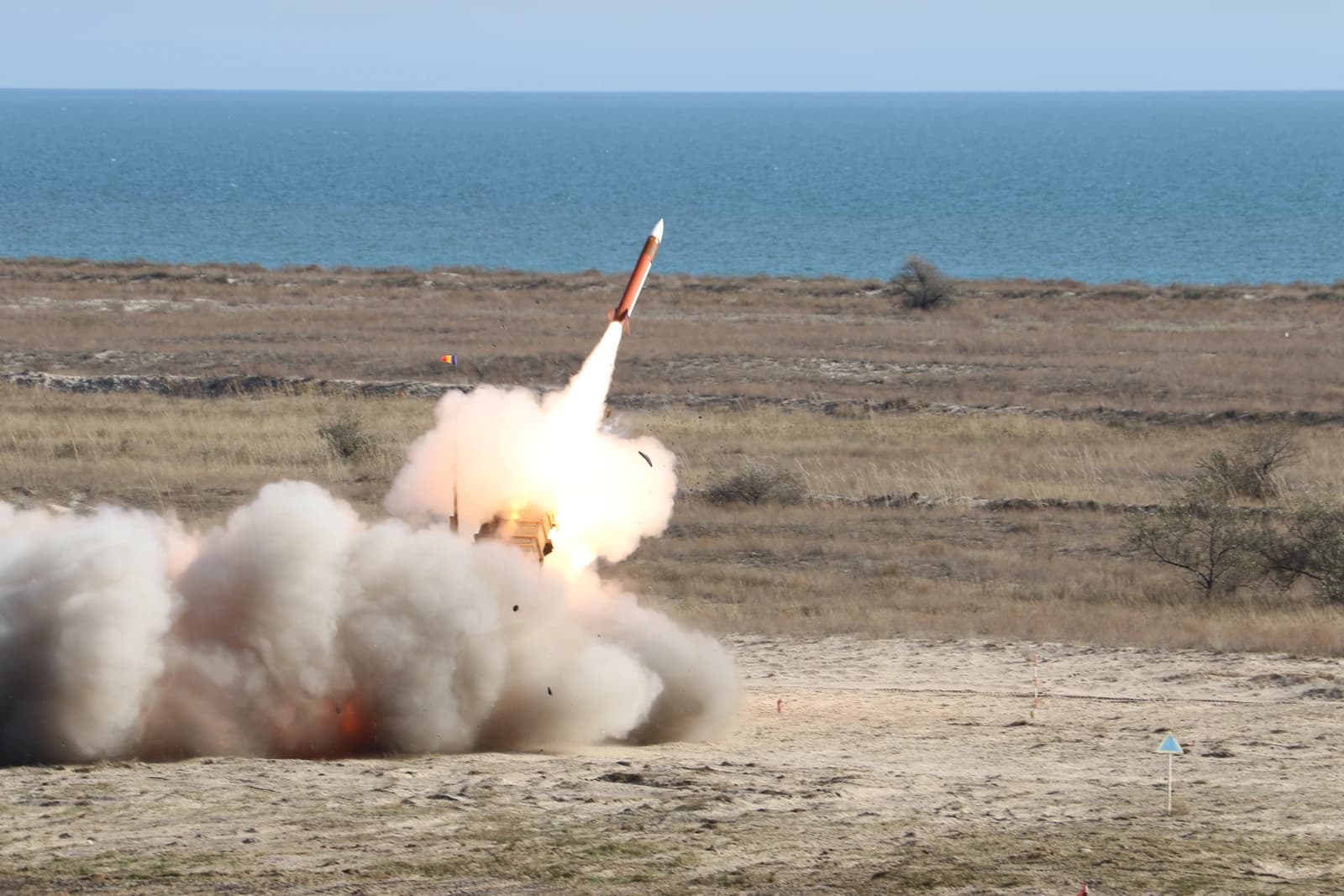
Germany is moving 5,000 soldiers and 2,000 pieces of combat equipment to Lithuania in one of its clearest military signals yet to Moscow, deepening NATO’s eastern flank and raising the stakes for investors tracking European security, defense spending and regional stability.
Germany deploys 5,000 troops to Lithuania
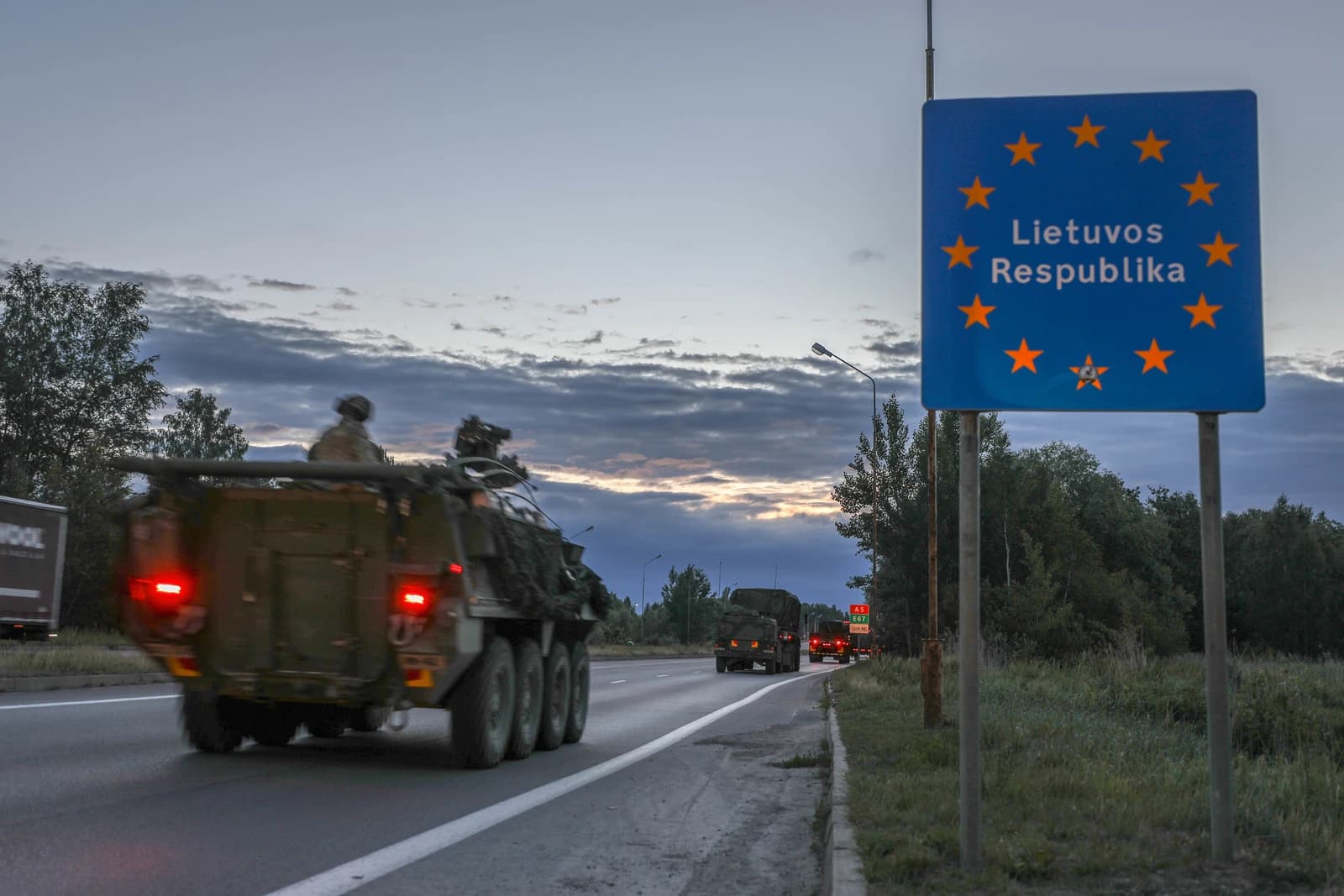
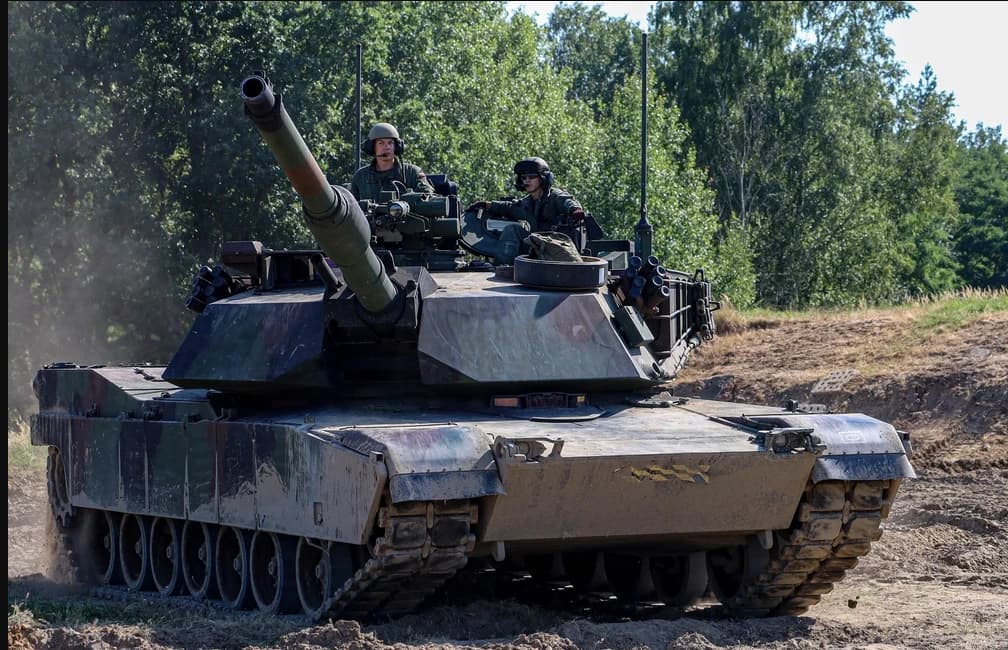
The deployment, reported by Delfi, places a full German brigade in Lithuania and underscores Berlin’s effort to make any Russian move against a Baltic state immediately costly. The units are expected to be stationed across several military sites, with some positioned just 30 kilometers from the border, a deliberate show of deterrence despite the heightened risk.
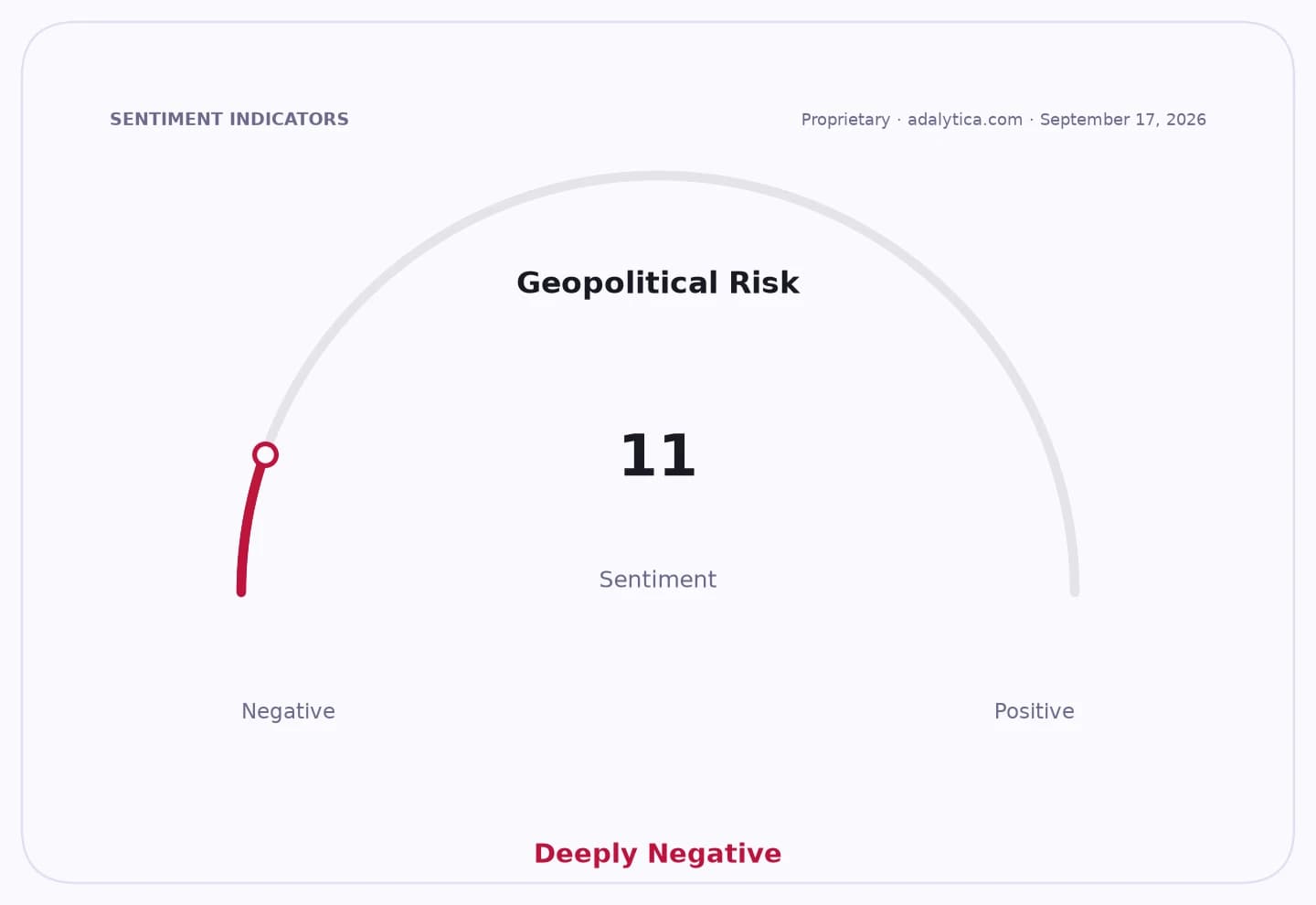
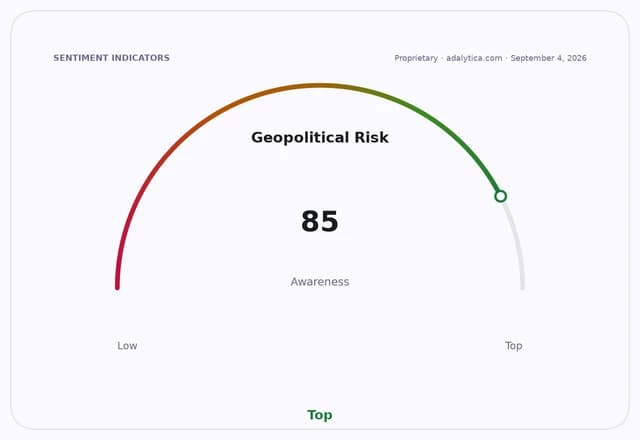
Sentiment IndicatorsⓘProprietary · adalytica.com · September 4, 2026
This is a snapshot — live sentiment, awareness and momentum for 130+ markets update continuously in the dashboard.Open AlphaPulse
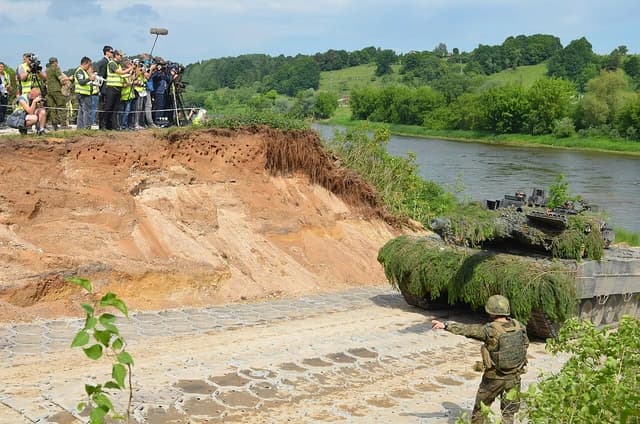
For markets, the significance runs through the defense sector. Europe’s push to harden its eastern defenses extends the investment case for contractors tied to armored vehicles, artillery, logistics, air defense and munitions, while reinforcing the view that governments across the region will keep budgets elevated even if broader growth stays weak. Rheinmetall and other European suppliers stand to benefit from the longer procurement cycle, while U.S. contractors such as Lockheed Martin remain central to allied rearmament plans.
The move also reflects a strategic hedge against possible U.S. retrenchment. German forces are being cast as a potential substitute for American troops if Washington scales back its footprint, making the Lithuania deployment more than a symbolic gesture and turning it into part of NATO’s longer-term force architecture.
The geopolitical backdrop remains volatile. Russia continues to test NATO’s resolve with pressure along the alliance’s borders and repeated attacks in Ukraine, while European leaders are treating the Baltic region as a frontline security risk rather than a distant outpost. That keeps the defense premium intact and leaves investors watching for further troop announcements, procurement orders and any signs of escalation or de-escalation in the region.
| Entity | Gains | Losses |
|---|---|---|
| Germany/NATO | ▲stronger eastern deterrence | ▼higher defense and deployment costs |
| Lithuania/Baltic allies | ▲firmer security guarantee | ▼frontline exposure to Russian pressure |
| Rheinmetall and European defense firms | ▲more orders and rearmament demand | ▼none immediate |
| Russia | ▲none | ▼greater NATO pressure near its border |