Munich public utilities are calling for faster, more practical protection of critical infrastructure after sabotage attacks on substations in Germany exposed gaps in how operators can defend power assets.
Germany utilities call for stronger substation security
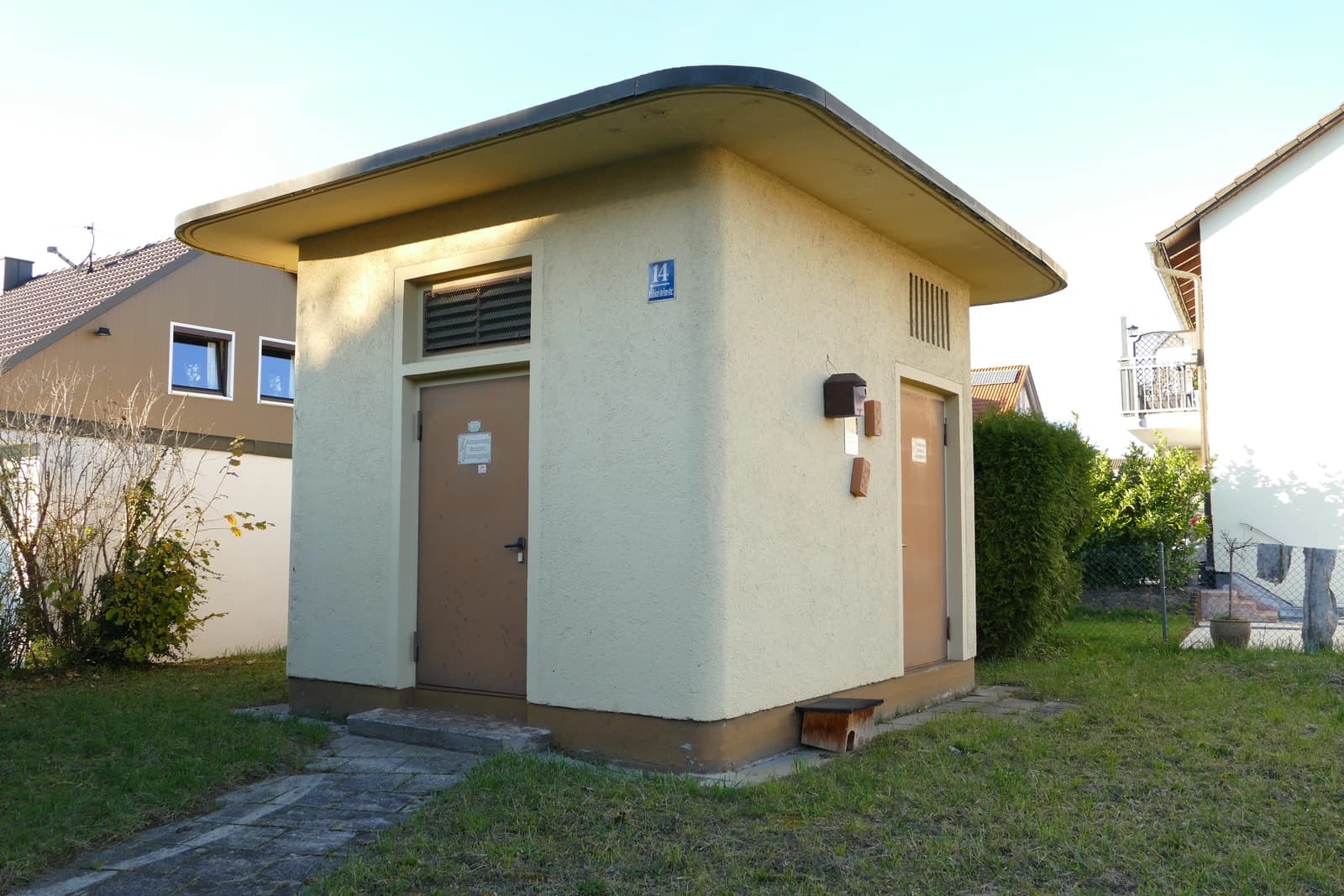
Florian Bieberbach, chief executive of Stadtwerke München, said policy and regulators need to shift focus from documentation requirements toward concrete security measures, arguing that critical infrastructure is not protected “on paper” but by people and systems able to act quickly. He said operators should be able to deploy surveillance tools without constantly risking violations of data-protection or AI rules.
Sentiment IndicatorsⓘProprietary · adalytica.com · September 7, 2026
This is a snapshot — live sentiment, awareness and momentum for 130+ markets update continuously in the dashboard.Open AlphaPulse
The appeal comes as German utilities and grid operators face rising concern over the vulnerability of power networks to sabotage, cyberattacks and physical intrusion. Recent attacks on substations in Jänschwalde and Bergheim have sharpened pressure on authorities to tighten safeguards and speed up investment in resilience.
For investors, the issue matters because Germany’s energy system is becoming more exposed just as electrification, grid upgrades and renewable integration demand heavier capital spending. Any move to ease rules around monitoring, access control and emergency response could accelerate orders for security, software and infrastructure contractors, while also raising compliance costs for utilities and network operators.
Bieberbach said investments in physical security, cyber defense and crisis readiness need to be reflected in the regulatory framework, signaling that utilities want the cost of resilience treated as core infrastructure spending rather than optional overhead. The political debate now centers on whether Berlin and state authorities respond with clearer rules and dedicated security resources, including a more operational approach to protecting substations and other essential assets.
| Entity | Gains | Losses |
|---|---|---|
| Utilities and grid operators | ▲Faster security tools | ▼Regulatory friction |
| Security and surveillance vendors | ▲Higher demand | ▼Delayed procurement |
| Regulators and lawmakers | ▲Pressure to act | ▼Credibility if slow |
| Saboteurs and intruders | ▲Tighter defenses faced | ▼Easier access to targets |