Healthcare providers and patients in Ghana are set to see higher reimbursements from Sept. 21 after new rates for medical visits and examinations come into effect, a policy shift that could ease pressure on clinics and hospitals while raising the cost burden on the public health system.
Ghana Raises Medical Reimbursements, Pressuring Payers
The change matters because reimbursement rates are one of the few levers governments have to keep providers in the system and prevent a drift into underfunded care. If payments do not keep pace with the cost of labor, medicines and diagnostics, hospitals often face delayed service delivery, strained staffing and weaker access for patients.
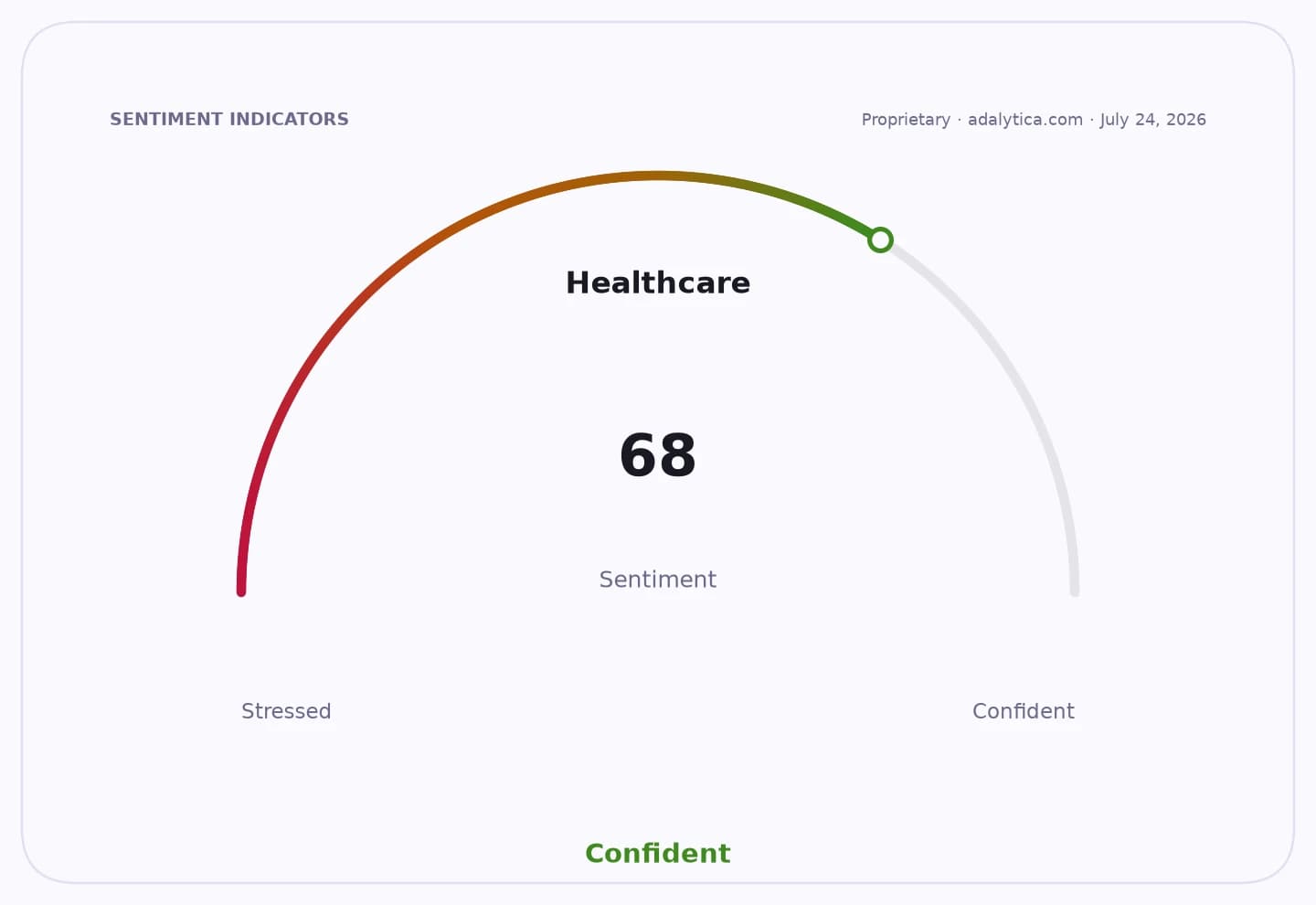
Sentiment IndicatorsⓘProprietary · adalytica.com · July 24, 2026
This is a snapshot — live sentiment, awareness and momentum for 130+ markets update continuously in the dashboard.Open AlphaPulse
For investors in healthcare-linked businesses, the key question is whether the higher rates improve cash flow across the delivery chain or simply reprice existing inflation. In a market where wage and spending signals are mixed, better reimbursement can support provider margins, but it can also increase pressure on insurers, state payers and any private operators exposed to reimbursement schedules.
The timing is notable as Adalytica’s Healthcare Spending Sentiment is at 68, in neutral territory, while Consumer Spending Sentiment sits at 36, with “extreme fear” awareness. That mix points to a fragile demand backdrop even as wage inflation sentiment remains elevated at 68, suggesting the higher payments may land in an environment where service costs are still sticky.
For listed healthcare names, the broader takeaway is that reimbursement policy can move earnings faster than headline demand trends. UnitedHealth Group, CVS Health and HCA Healthcare have all seen sharp price swings this year, underscoring how sensitive investors remain to changes in medical cost dynamics, payer economics and provider reimbursement assumptions.
The next catalyst will be whether the new schedule is matched by clear funding and implementation details, or whether providers and patients face another round of friction as the higher rates are rolled out.
| Entity | Gains | Losses |
|---|---|---|
| Hospitals and clinics | ▲Higher reimbursements | ▼Exposure to delayed rollout |
| Patients | ▲Better access to services | ▼Potentially higher out-of-pocket costs |
| State health system/payers | ▲Smoother provider retention | ▼Higher budget pressure |
| Insurers and managed-care operators | ▲Less provider strain | ▼Margin pressure from higher claims |