Gigabyte is back in Indonesia’s notebook market with a broader lineup, a clearer segmentation strategy and an AI feature it wants to make central to the buying decision.
Gigabyte relaunches notebooks in Indonesia with GiMATE

The Taiwanese hardware maker’s return matters because it is entering a market where premium laptops are being shaped less by raw specifications and more by AI branding, ecosystem support and service commitments. Gigabyte is not just relaunching products; it is trying to rebuild a local business around four notebook lines — Eagle, Gaming A16, AERO X16 and AORUS Master 16 Gen 2 — while betting that a personal AI agent called GiMATE can help differentiate its machines in a crowded field.
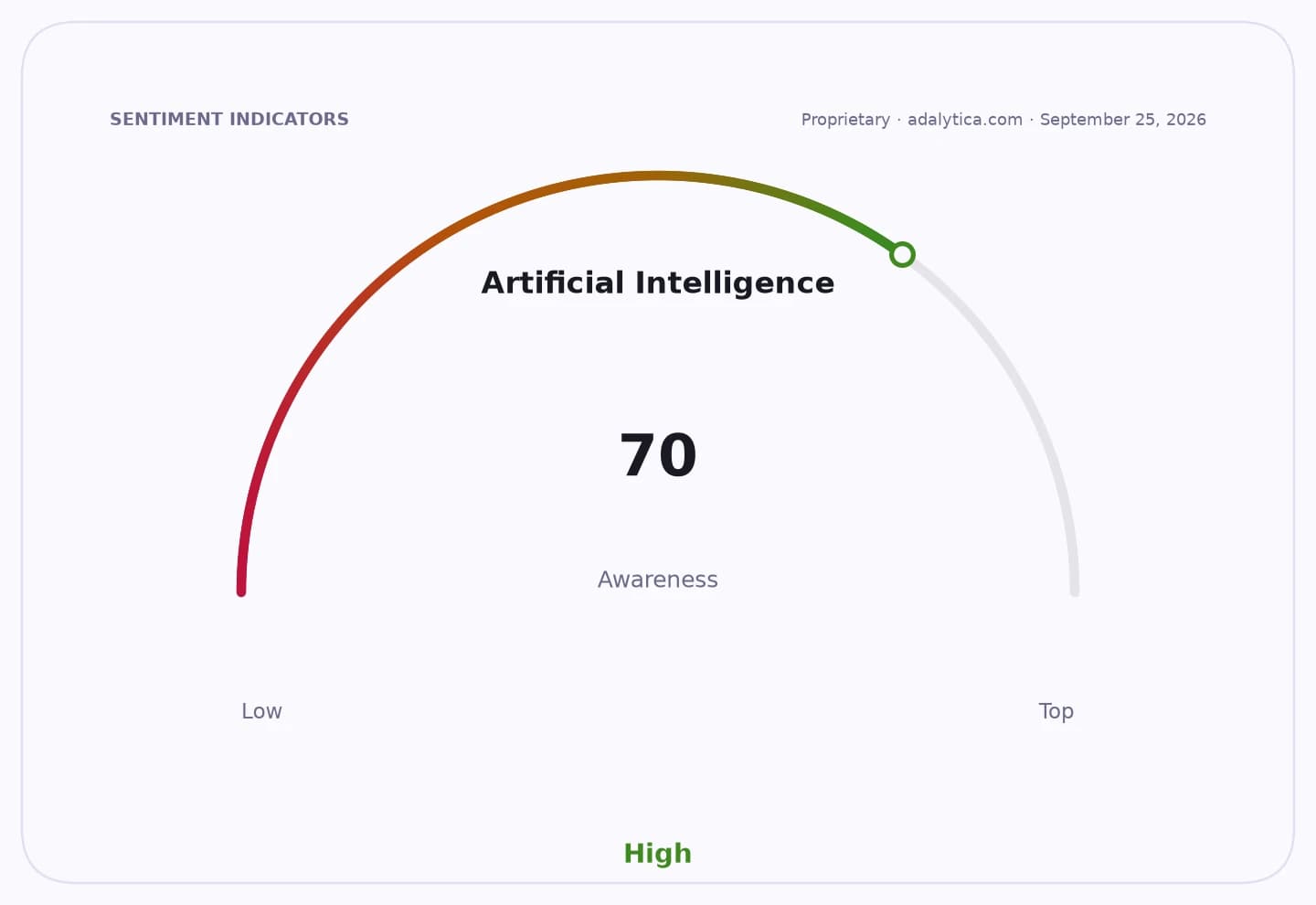
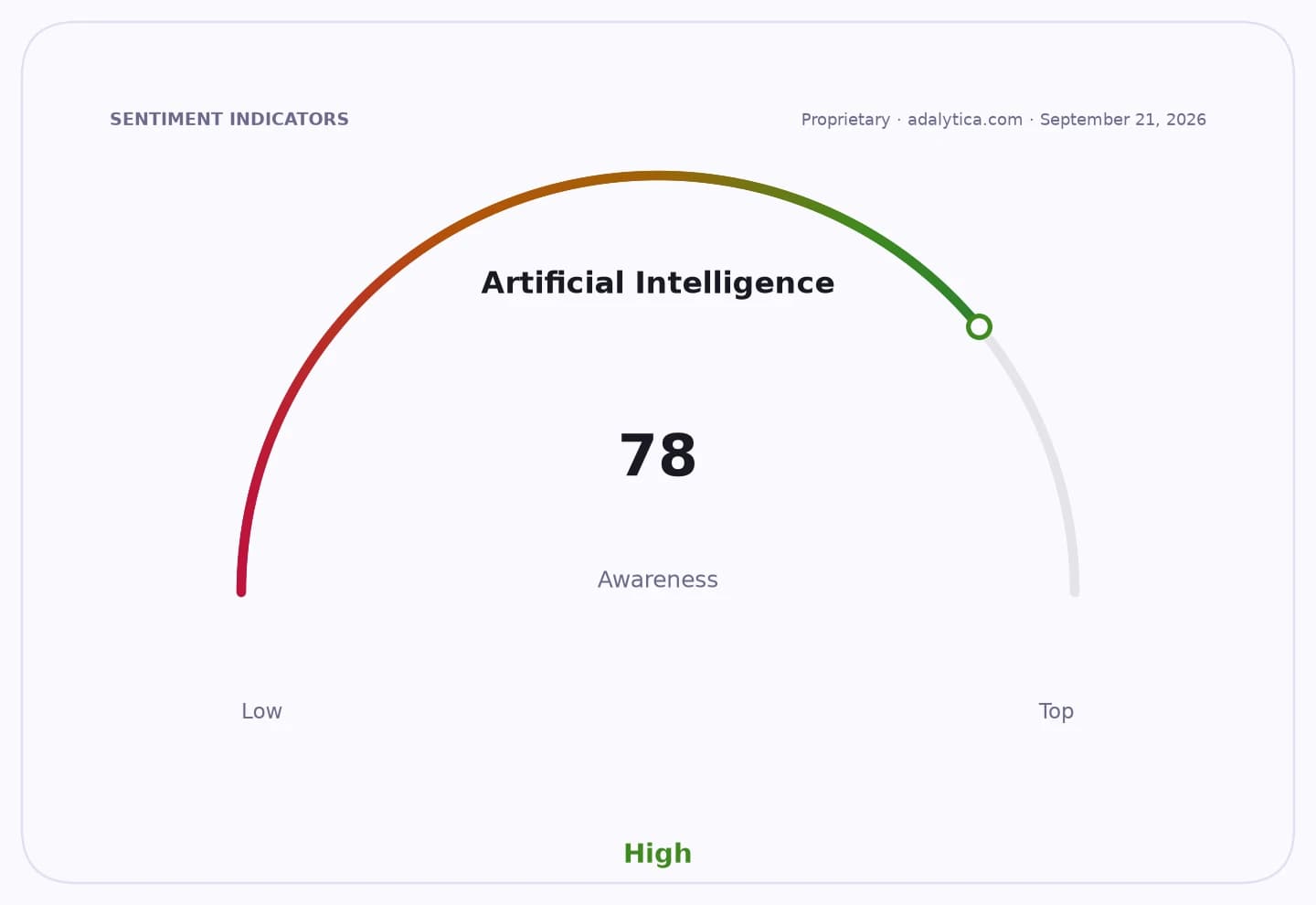
Sentiment IndicatorsⓘProprietary · adalytica.com · September 22, 2026
This is a snapshot — live sentiment, awareness and momentum for 130+ markets update continuously in the dashboard.Open AlphaPulse
GiMATE sits across the full range, from the entry-level Eagle to the top-end AORUS model, and Gigabyte is pitching it as a personal AI agent that can control device functions and support AI-assisted creation. That positioning aligns with a broader industry push to make AI a visible consumer feature rather than a hidden software layer. For buyers, that can help justify higher prices and make product comparisons easier. For manufacturers, it offers a way to defend margins in a category under pressure from component costs.
The company’s timing is notable. Gigabyte is relaunching as laptop makers face rising RAM prices and component shortages, conditions that typically squeeze margins or force higher retail pricing. Gigabyte said it is still investing in marketing, distribution, a dedicated product manager and a local office, suggesting it wants a more durable presence than in its earlier, thinner attempt in Indonesia.
That matters for investors because the strategy points to a push for scale in one of Southeast Asia’s more competitive consumer electronics markets. The pricing shows the brand is aiming across the spectrum: Eagle starts at Rp23.1 million, Gaming A16 at Rp26.7 million, AERO X16 at Rp33.9 million and AORUS Master 16 Gen 2 at Rp52.1 million. A wide ladder like that can broaden reach, but it also raises execution risk if the mid- and upper-tier models do not gain traction against established gaming and creator brands.
The launch also reflects where the notebook market is heading globally. As with AI-focused launches from larger tech names, the commercial question is whether AI features become a meaningful reason to upgrade or merely a marketing layer on top of familiar hardware. Gigabyte is clearly betting on the former, and its plan to add Indonesian language support suggests it sees localization as part of adoption, not an afterthought.
For investors in the PC and components chain, the key issue is whether AI-enabled notebooks can support premium pricing even as hardware input costs rise. If GiMATE helps Gigabyte win share in gaming and creator segments, the move could improve revenue mix and brand relevance. If not, the company risks adding cost without creating enough distinction.
| Entity | Gains | Losses |
|---|---|---|
| Gigabyte | ▲Indonesia market re-entry | ▼Execution and margin risk |
| Consumers wanting AI laptops | ▲More product choice | ▼Higher prices |
| Rival notebook brands | ▲Category growth tailwind | ▼More competition |
| Component suppliers | ▲Higher-value machine demand | ▼Demand uncertainty if prices bite |