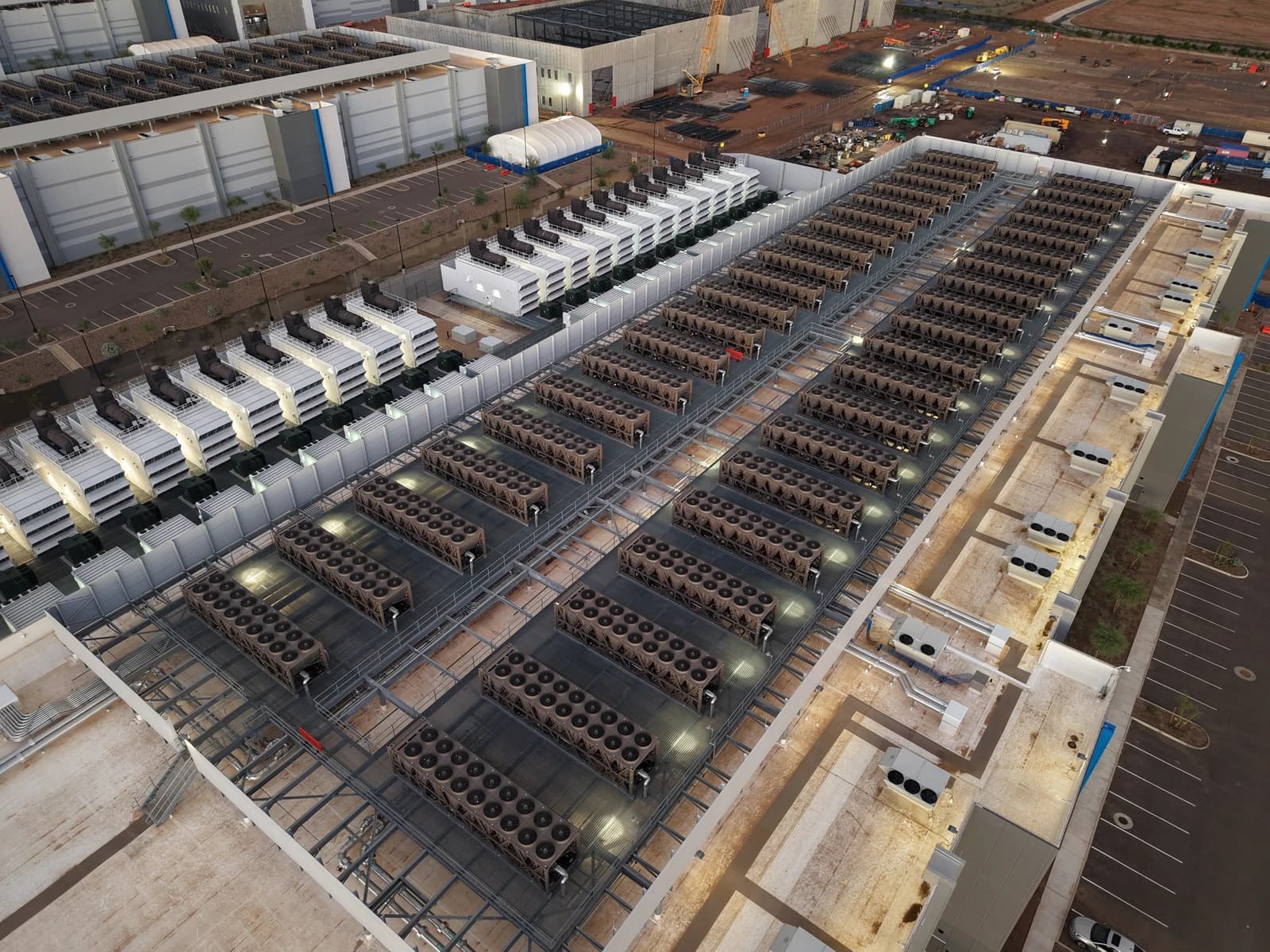
AI infrastructure demand is still outrunning data center supply, and that means shortages across semiconductors, memory chips and equipment are likely to persist into next year and beyond, according to Semiconresearch Lab CEO Noh Geun-chang. He said the bottleneck in AI servers is so severe that the market may not normalize even by 2027.
AI demand keeps pressure on semiconductors and memory
Artificial Intelligence
That matters because the shortage is now running from the top of the stack — frontier-model developers and hyperscalers buying compute — down through data center buildouts and into chips, components and semiconductor tools. If AI training and inference demand stays elevated, manufacturers can keep pricing power longer, while suppliers to the sector remain constrained on capacity and lead times.
Sentiment Indicators
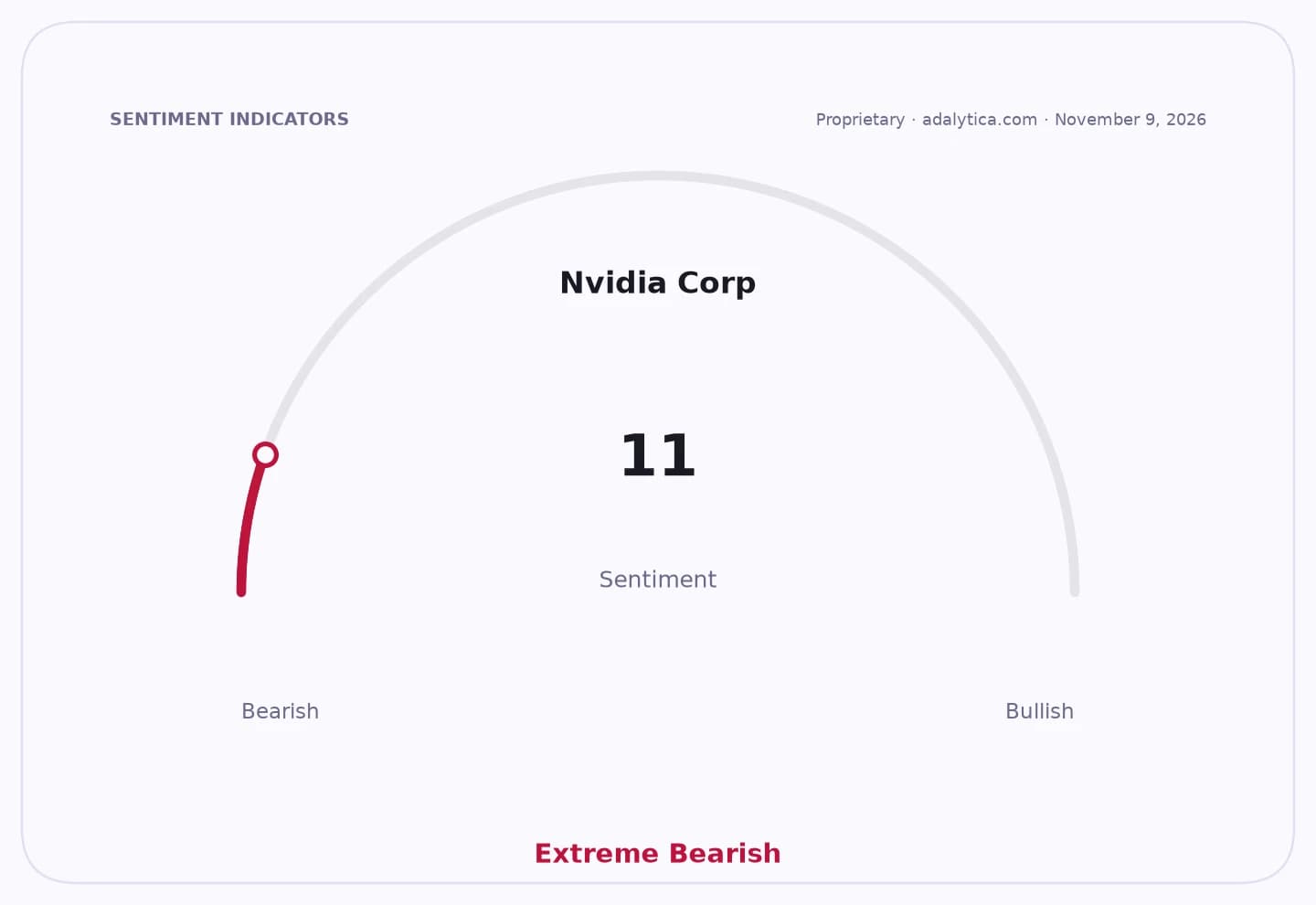
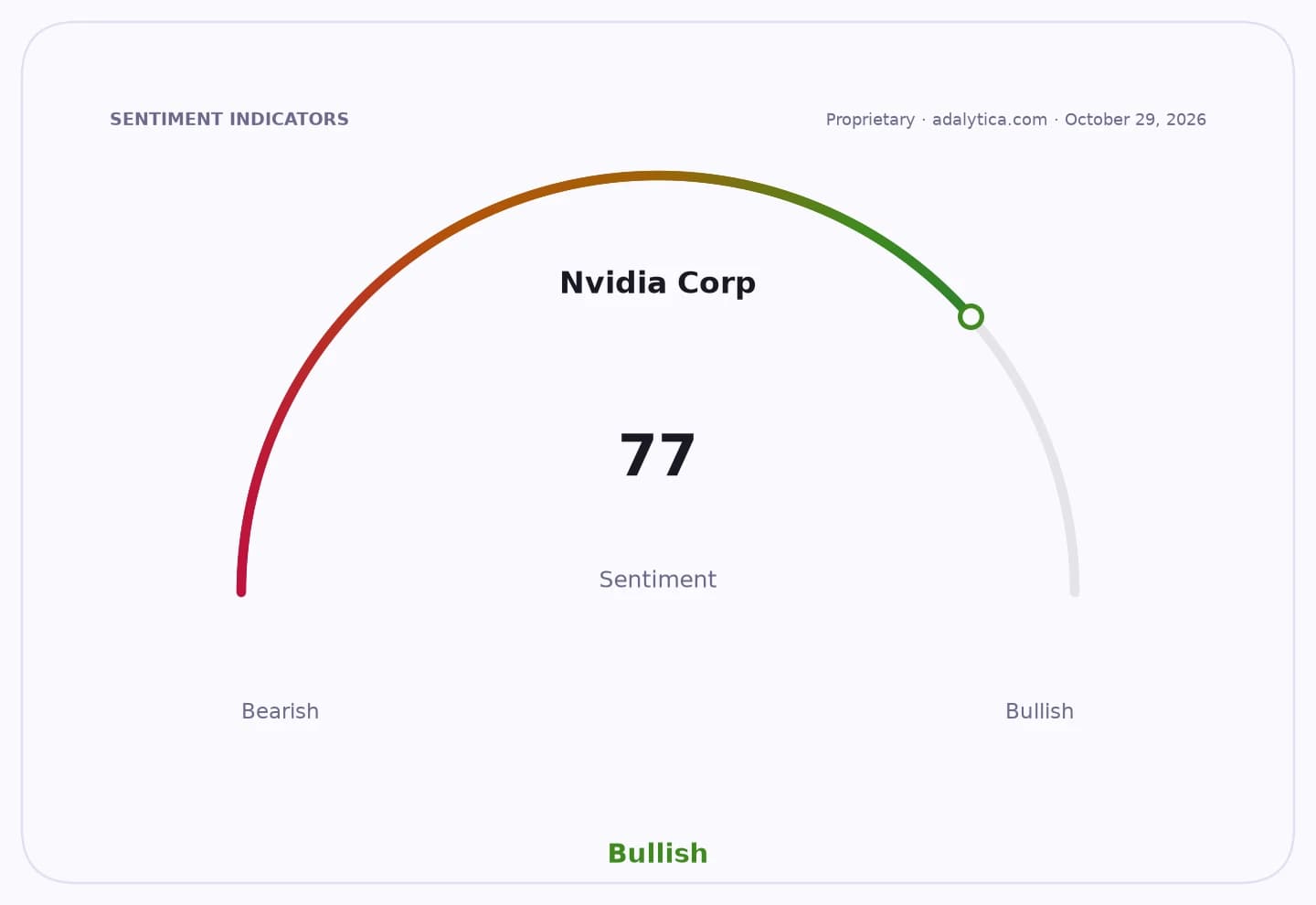
Nvidia Corp
Noh said companies such as OpenAI and Anthropic continue to need more compute because businesses are still trying to avoid falling behind in the AI race, even if they are still measuring whether usage fees translate into productivity gains. He added that cloud leaders Amazon and Google have enough margin and backlog to keep funding AI infrastructure, pointing to cloud operating margins of 39% at Amazon and 36% at Google, with Google Cloud revenue having doubled.
The memory market is feeling the squeeze as high-bandwidth memory output consumes wafer capacity that would otherwise go to conventional DRAM, tightening supply across the broader memory chain. That dynamic has strengthened chipmakers’ bargaining power with customers building servers, while also keeping pressure on materials, components and equipment suppliers.
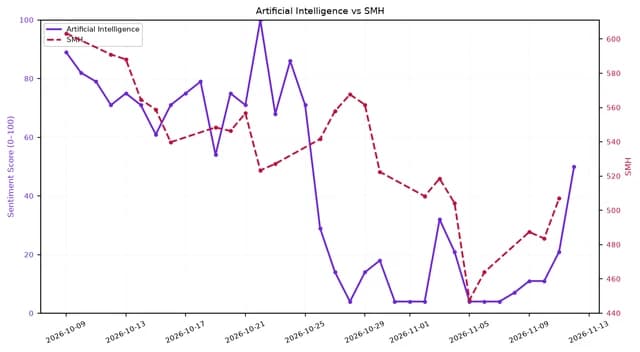
Long-term supply agreements could soften swings in memory prices, but Noh said they will not eliminate volatility. If end users eventually balk at token pricing and slow AI spending, infrastructure investment would cool and memory prices would come down too — just more gradually under multi-year contracts.
The market has already been rewarding the AI supply chain. The VanEck Semiconductor ETF, SOXX, remains well above its March lows even after recent volatility, while Nvidia shares have fallen sharply from earlier highs as investors weigh earnings risk, export scrutiny and supply bottlenecks. For chipmakers and their suppliers, the key question now is not whether AI demand exists, but how long the buildout can outpace the physical capacity needed to support it.
| Entity | Gains | Losses |
|---|---|---|
| Memory and equipment makers | ▲Pricing power, tighter supply | ▼Customers facing higher costs |
| Hyperscalers and AI labs | ▲Priority access to scarce capacity | ▼Larger capital spending burden |
| Semiconductor ETF investors | ▲Support from AI capex cycle | ▼Near-term volatility and valuation risk |
| End users of AI services | ▲Faster model rollout | ▼Higher token and infrastructure costs |