A gold-backed bond that turned a Rs 1 lakh investment into roughly Rs 3 lakh is a reminder that gold still earns its keep when inflation, currency swings and rate-cut bets shake confidence in paper assets.
Gold Bond Returns Rs 1 Lakh to Rs 3 Lakh
That kind of return matters because gold is not just a shiny hedge tucked away in a portfolio. It is a long-duration store of value that tends to benefit when real yields fall, the dollar weakens and investors start looking for something that can hold purchasing power over years rather than quarters. In today’s market, those forces are still very much in play.
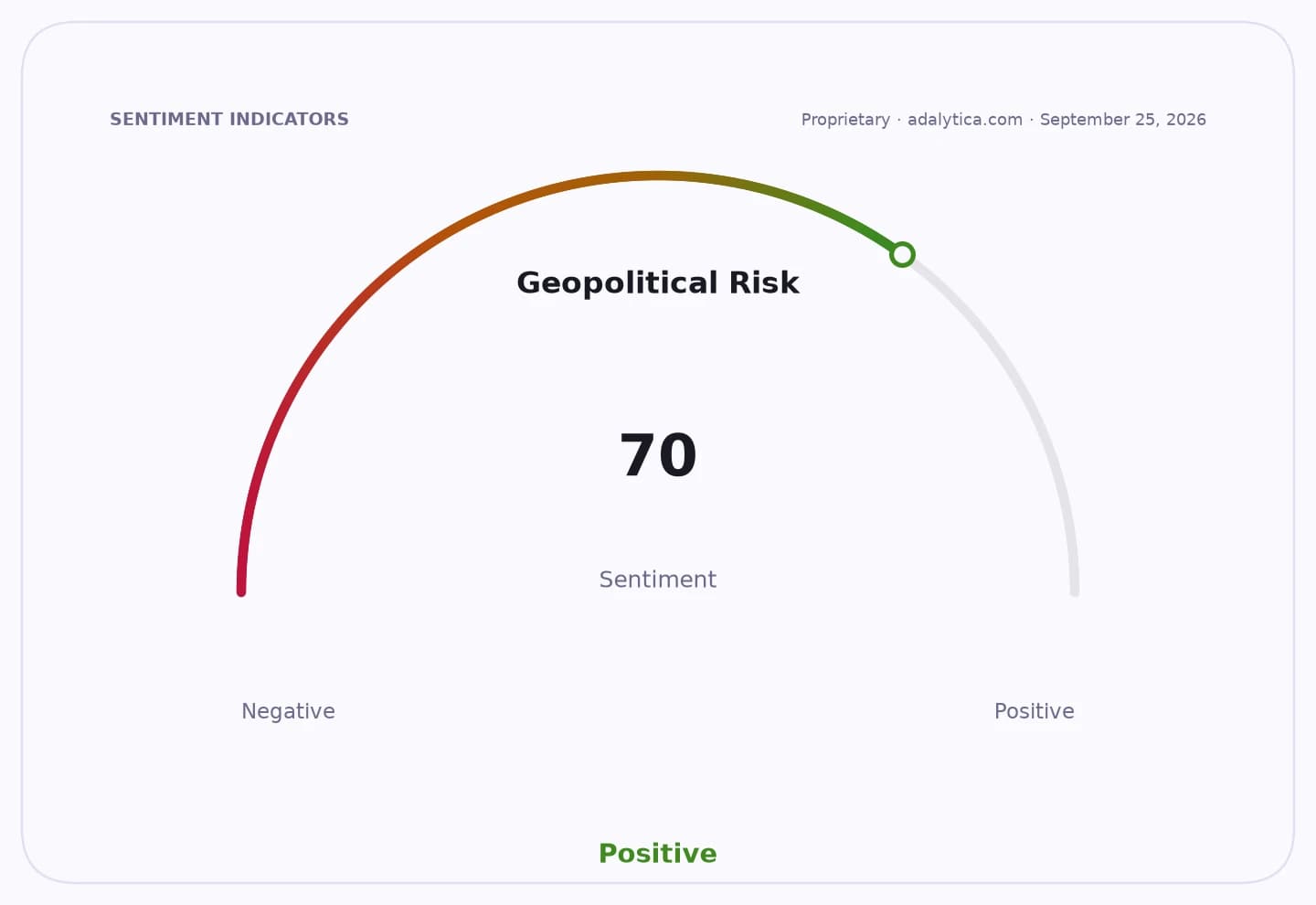
Sentiment IndicatorsⓘProprietary · adalytica.com · August 8, 2026
This is a snapshot — live sentiment, awareness and momentum for 130+ markets update continuously in the dashboard.Open AlphaPulse
The backdrop helps explain why gold has stayed resilient even as daily price moves remain erratic. U.S. inflation, as measured by the Consumer Price Index, has climbed to 332.568 in the latest reading from 332.407 a month earlier, reinforcing the argument that price pressures have not fully disappeared. At the same time, the 10-year Treasury yield has been hovering around 4.63% to 4.69%, a level that still leaves room for debate over how much reward investors are really getting for holding bonds after inflation.
Gold exchange-traded funds have reflected that tension. SPDR Gold Shares, or GLD, closed at $398.47 on Aug. 7, far above its 50-day moving average of $382.34, while its RSI reading of 72.8 shows the metal has been strong enough to look technically stretched. That is not a reason to avoid gold so much as a sign that the market has already recognized its value as a defensive asset. A similar picture shows up in iShares Gold Trust Micro, or GLDM, which finished at $85.95 with an RSI of 72.9 and price action above its 50-day average.
For investors, the lesson is bigger than one gold bond. Gold can be a useful portfolio diversifier precisely because it does not depend on earnings growth, credit quality or a central bank’s promise to keep inflation subdued. When the U.S. dollar is flashing extreme greed in Adalytica.com’s trade signal snapshot and CPI sentiment is also at an extreme level, markets are clearly focused on macro uncertainty rather than smooth economic growth. That is usually when gold finds an audience.
The Vietnam gold market adds another layer to the story. Domestic gold bar prices fell sharply on Aug. 8 even as global prices rose, narrowing the gap between local and international prices to about 3 million to 4 million dong a tael. That spread shows how tightly regional pricing is tied to currency moves, import controls and global demand. It also underscores why gold can behave very differently from one market to another even when the underlying trend is the same.
For long-term investors, the takeaway is simple: gold is not a growth engine, but it can be a powerful compounding tool for capital preservation when inflation and policy uncertainty dominate the market. Whether through sovereign gold bonds, bullion-backed funds or physical metal, the case for holding some gold remains intact. If you are building wealth over 3 to 10 years, it still belongs on the watchlist — and for many portfolios, a modest allocation may be worth keeping.
| Entity | Gains | Losses |
|---|---|---|
| Gold bond holders | ▲Inflation hedge and capital gains | ▼Missed equity upside |
| Gold buyers | ▲Store of value | ▼Higher entry prices |
| Domestic Vietnamese sellers | ▲Faster arbitrage opportunities | ▼Margin pressure from price swings |
| Dollar holders and rate-sensitive assets | ▲Short-term cash preference | ▼Lower relative appeal when gold rallies |