Gold’s blistering rally looks increasingly vulnerable, and the next move may be lower if the Federal Reserve stays tighter for longer, the dollar firms and U.S. Treasury yields keep grinding higher.
Gold Pulls Back as Yields and Dollar Firm

That is the economic message behind the latest pullback in bullion, where Comex gold briefly slipped below $4,413 an ounce before recovering to around $4,478, while Indian spot prices on the Multi Commodity Exchange eased to about 154,425 rupees per 10 grams. The move matters because gold has already priced in a great deal of bad news — from policy easing to geopolitical stress — leaving little margin for disappointment if macro data turns less supportive.
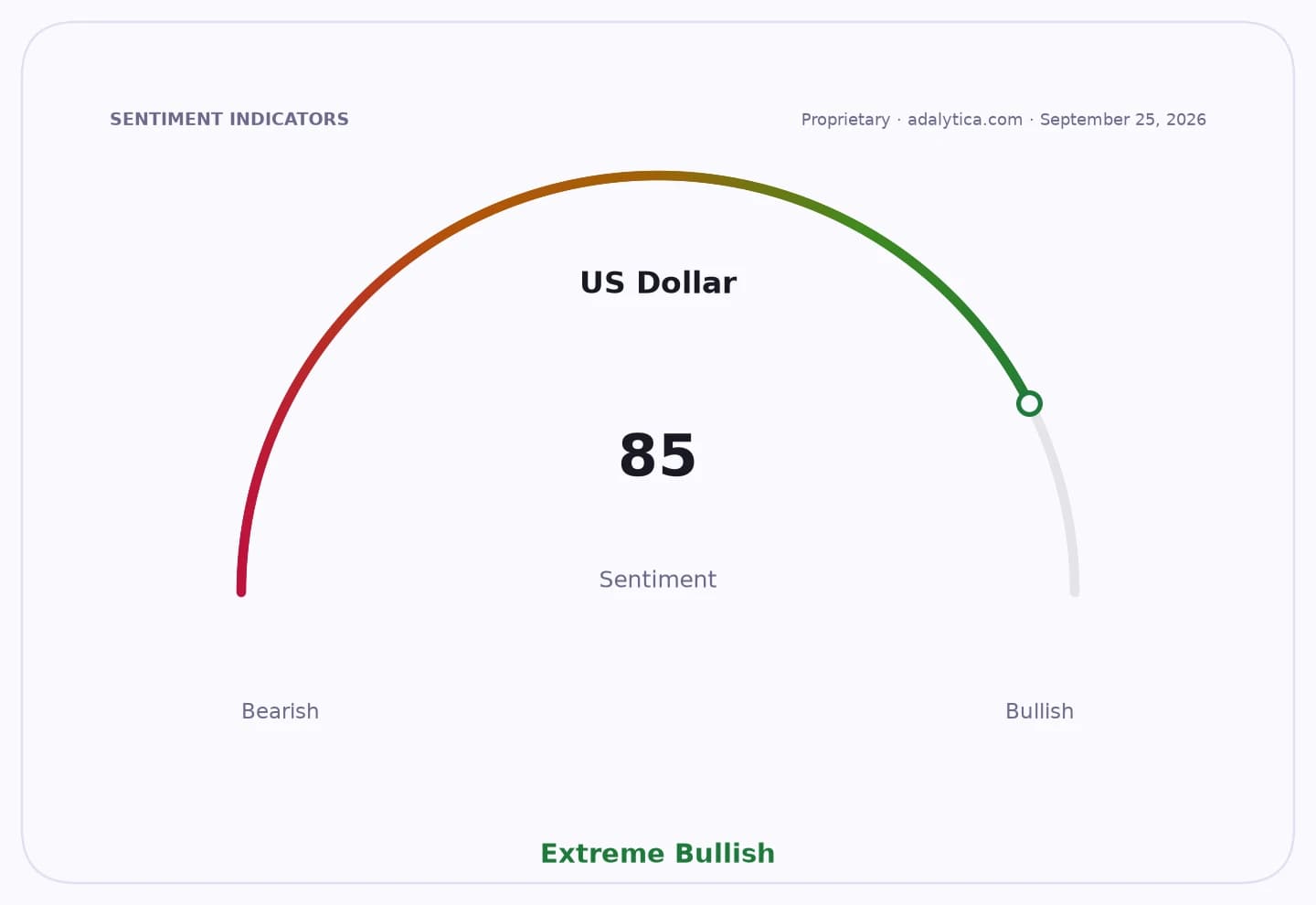
The biggest pressure point is rates. Gold does best when real yields fall and the dollar weakens, but that setup is far from guaranteed in the coming days. U.S. 10-year Treasury yields were around 4.79% and 2-year yields near 4.39%, levels that still make holding a non-yielding asset like gold more expensive. The dollar ETF UUP was also holding close to 28.08, with its 50-day moving average near 28.24 and the 200-day around 27.62, suggesting the greenback has not yet rolled over decisively.
That is why the upcoming U.S. labor and inflation releases matter so much. If payrolls, unemployment and price data come in firmer than expected, markets may push out the timing of any Fed easing, keeping pressure on bullion. Even a modest rebound in yields or the dollar can trigger a rapid unwind in a gold market that has been richly momentum-driven.
Technical indicators are also flashing caution. GLD, the SPDR Gold Trust, closed at 406.77 on Sept. 4, below its 200-day moving average of about 415.44, while its 50-day average sat near 388.88. RSI readings around 50.7 and a MACD still below its signal line point to a market that has lost upside momentum after an overextended run. In other words, gold is no longer in the kind of one-way trade that rewards late buyers.
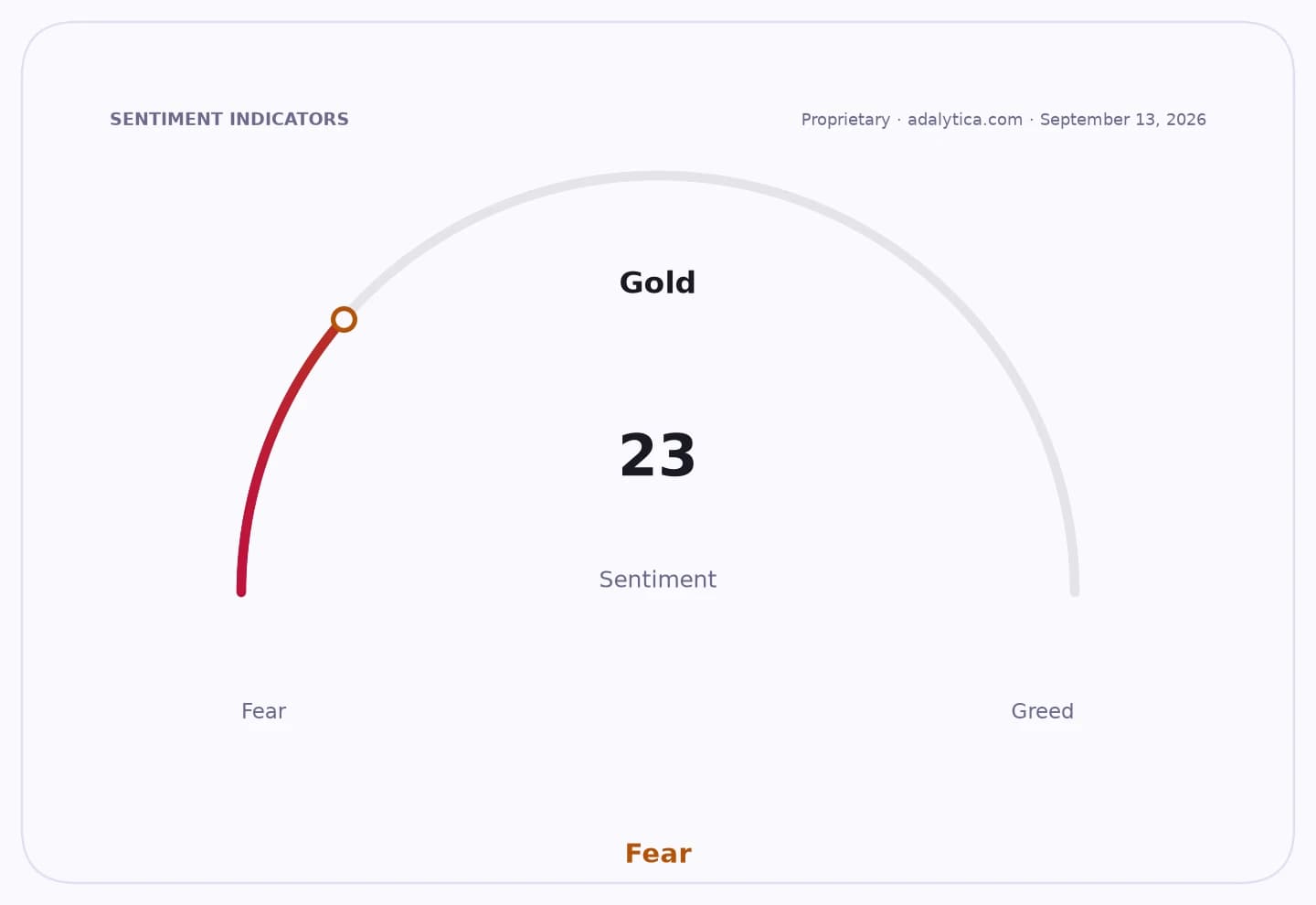
Adalytica’s Gold Fear & Greed Index underscores that shift. The gauge showed “Fear” at 17, with “Extreme Fear” awareness at 5, but the broader pattern still points to a crowded and emotionally fragile market after a violent advance. In that kind of backdrop, even a small improvement in risk appetite can pull capital out of defensive assets and into equities or higher-yielding alternatives.
There is also a practical demand angle. Central-bank buying and geopolitical tension have been major supports for bullion, but those forces do not always overpower the macro cycle. If safe-haven demand cools even briefly while the dollar strengthens, gold’s recent premium can compress quickly. That is especially true in local markets such as India, where currency swings can amplify price moves even when global bullion is flat.
For investors, the near-term trade is not to chase gold after a record-setting run. The better opportunity may be in assets that benefit if bullion cools: miners with lower cost structures, dollar-linked exposures, and rate-sensitive sectors that tend to outperform when yields stabilize or rise. If the next round of U.S. data keeps the Fed cautious, gold could have more room to fall than bulls expect.
The market has spent months rewarding fear. Now it may be time to respect the possibility that fear has already been priced in.
| Entity | Gains | Losses |
|---|---|---|
| Dollar bulls | ▲Stronger U.S. currency | ▼Gold prices |
| Treasury yields | ▲Higher returns on cash-like assets | ▼Non-yielding bullion |
| Fed hawks | ▲Tighter policy credibility | ▼Gold demand |
| Gold bears / shorts | ▲Near-term downside trade | ▼Late gold buyers |