Gold prices in Saudi Arabia fell on Sunday as global bullion sank back below $4,000 an ounce, with traders increasingly pricing in a longer period of US monetary tightening and a stronger dollar.
Gold Prices in Saudi Arabia Fall Below $4,000
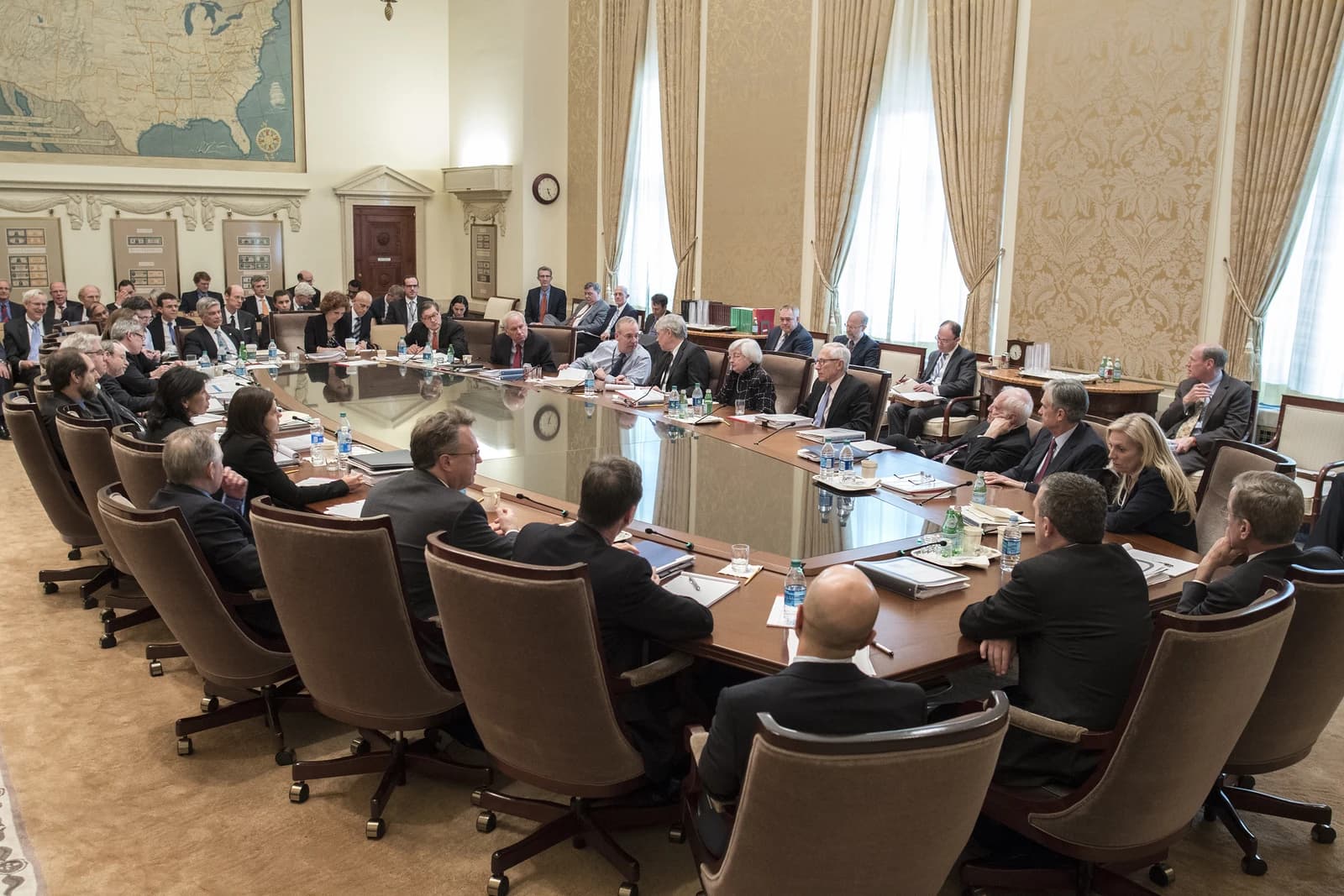
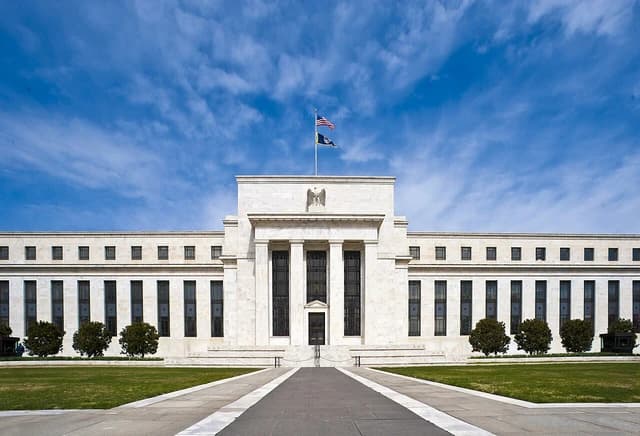
The decline matters because gold is especially sensitive to US rates: higher yields raise the opportunity cost of holding a non-yielding asset, while a firmer dollar makes bullion more expensive for buyers outside the US. That combination is now weighing on local prices across the Gulf, even as the market still awaits the Federal Reserve’s October 27-28 meeting for clarity on the next policy move.
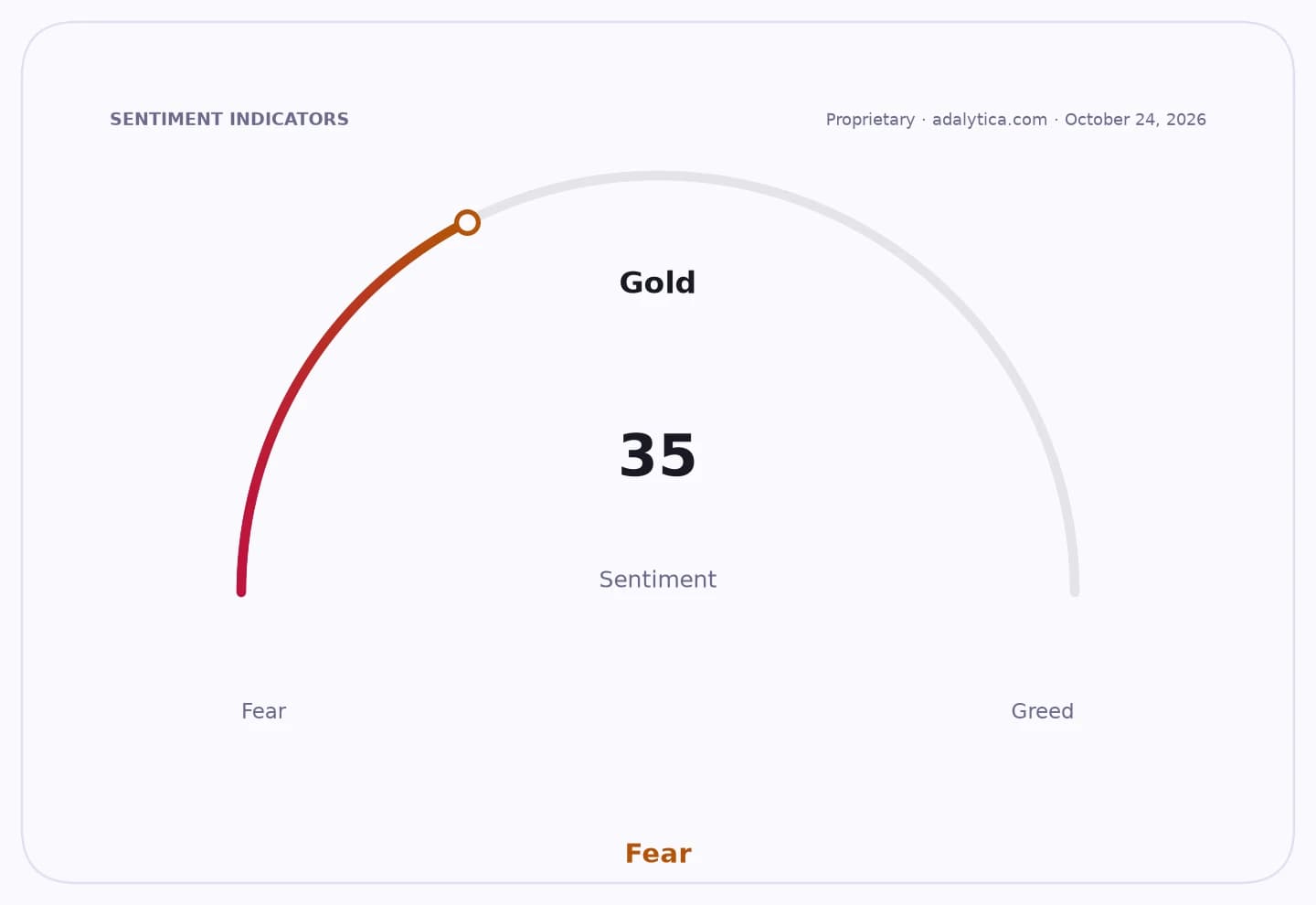
Sentiment Indicators
In Saudi Arabia, 24-karat gold was quoted at 481.89 riyals a gram, while 22-karat stood at 441.73 riyals, 21-karat at 421.65 riyals and 18-karat at 361.42 riyals, according to the data supplied. Globally, gold closed Friday at about $3,995.81 an ounce after falling about 4% over the week, its steepest weekly drop since June.
The selloff has been reinforced by rising oil prices, which are feeding renewed inflation concerns and reviving speculation that the Federal Reserve could still need to tighten policy further if price pressures persist. For markets, that creates a difficult mix: gold is usually supported by inflation fears, but not when those fears also lift the odds of higher interest rates.
The broader market backdrop also points to pressure on bullion. Exchange-traded gold fund GLD has dropped to $355.78 in recent trading, below its 50-day moving average of $390.57 and 200-day average of $412.92, while its RSI reading of 26.5 suggests the fund has moved into technically oversold territory. Front-month gold futures were last at $3,898.9, also below both the 50-day and 200-day averages.
That leaves the market split between two competing forces. The bull case is that persistent inflation, geopolitical risks and any dovish surprise from the Fed could re-ignite demand for defensive assets. The bear case is that if rates stay elevated longer, or rise further, investors are likely to prefer cash and bonds over bullion, keeping pressure on prices.
For jewelry buyers, retailers and gold importers in Saudi Arabia, the immediate effect is lower local prices and potentially firmer demand if the decline persists. For investors, the bigger issue is whether this is a temporary correction or the start of a deeper repricing of the gold rally that had carried the metal well above $4,000 earlier this year.
What happens next will hinge on the Fed’s messaging and on whether US inflation expectations keep climbing alongside oil. Until then, gold is likely to remain highly reactive to every shift in rate-cut and rate-hike bets, with Saudi prices tracking the global market almost tick for tick.
| Entity | Gains | Losses |
|---|---|---|
| Saudi jewelry buyers | ▲Lower purchase costs | ▼Gold holders |
| US dollar | ▲Rate-supportive flows | ▼Gold demand |
| Bond investors | ▲Higher-yield appeal | ▼Non-yielding bullion |
| Gold miners and ETFs | ▲Potentially none short term | ▼Near-term price momentum |