A wheel break in the Gotthard Tunnel has triggered tighter controls on freight traffic through one of Europe’s most important north-south rail arteries, a move that raises costs for wagon owners, threatens timetable reliability and underscores how quickly a single safety incident can ripple through continental supply chains.
Gotthard tunnel controls squeeze European freight
The clash with the freight wagon lobby matters because the Gotthard corridor is not just a Swiss transport issue; it is a core route for moving goods between Germany, Italy and the rest of southern Europe. Any new inspections, speed limits or operating restrictions can slow freight flows, lift logistics costs and force shippers to reroute cargo onto already strained roads and alternative rail lines.
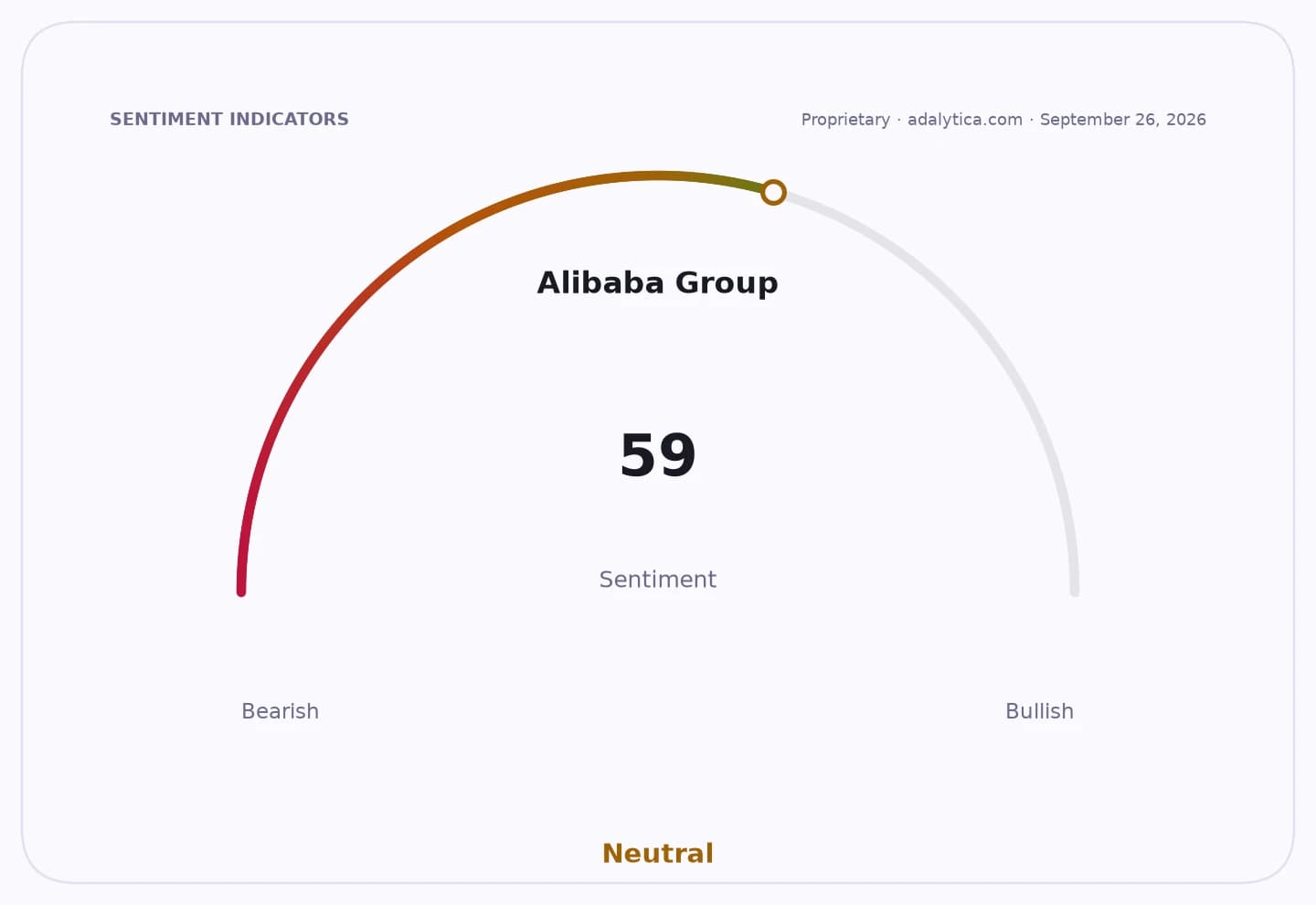
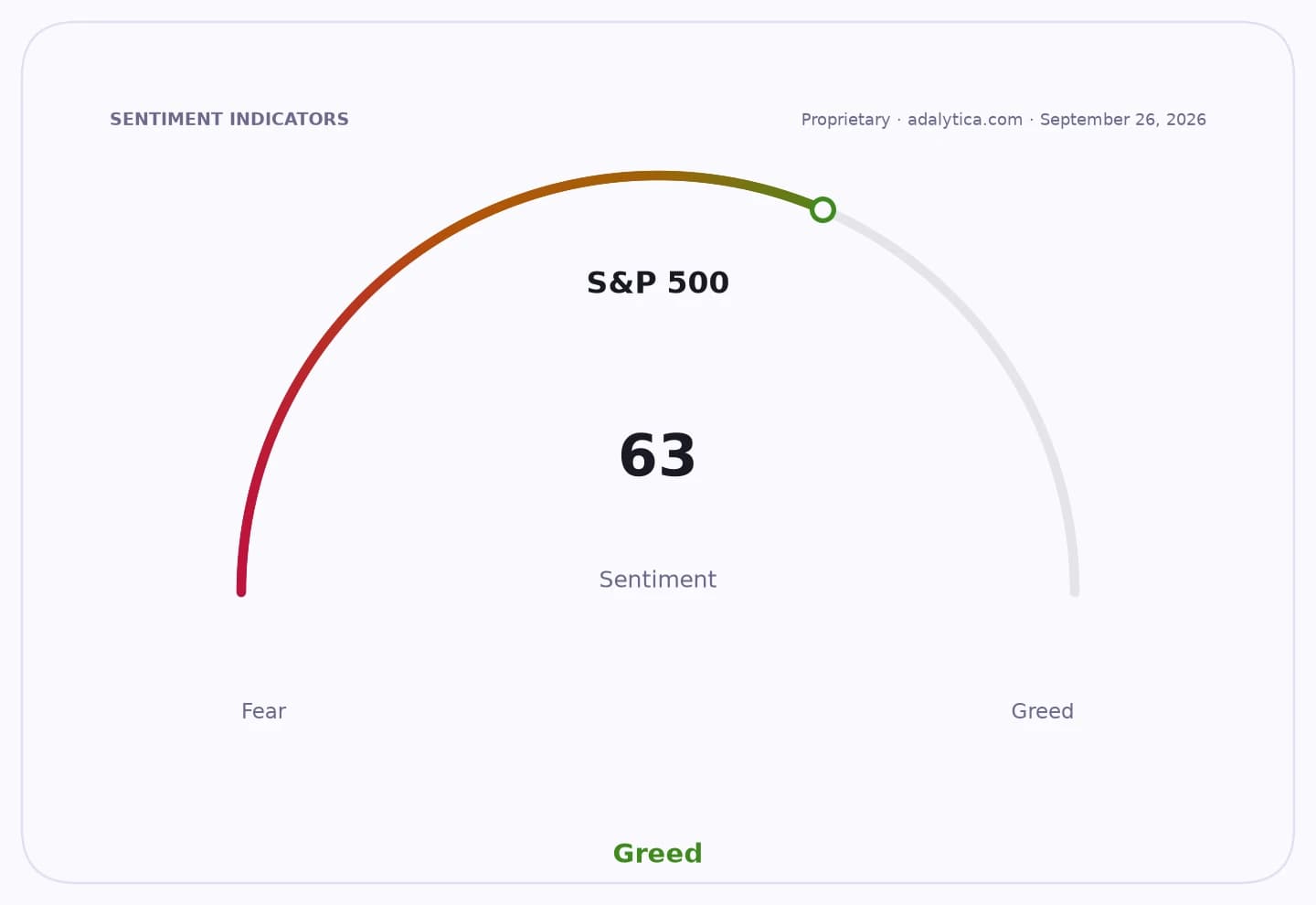
Sentiment IndicatorsⓘProprietary · adalytica.com · July 19, 2026
This is a snapshot — live sentiment, awareness and momentum for 130+ markets update continuously in the dashboard.Open AlphaPulse
That makes the policy response economically significant even if the immediate incident is mechanical rather than geopolitical. Rail is under pressure across Europe from weather disruptions, infrastructure work and labor unrest, and the Gotthard is especially sensitive because it carries high volumes of transit freight that underpin manufacturing, retail and industrial supply chains. A stricter regime at the tunnel can reduce the risk of another failure, but it also increases the likelihood of delays, lower asset utilization and higher compliance costs for operators.
Investors will watch the issue through the broader logistics complex. Rail operators and wagon lessors can face margin pressure if tighter controls lengthen turnaround times or require fleet upgrades, while road hauliers and some short-sea shipping alternatives could benefit if cargo is diverted. The ripple effects also reach industrial customers that depend on just-in-time deliveries, particularly in auto parts, chemicals and consumer goods.
The timing adds to a fragile transport backdrop. Adalytica’s S&P 500 Trade Signals show U.S. equity sentiment in “Fear” at 30, while euro-trading signals are neutral but with “Extreme Fear” in awareness, reflecting how quickly investors have turned cautious around cross-border risks and operational shocks. In the U.S., rail shares have also been strong: Union Pacific, CSX and Norfolk Southern have all climbed sharply in recent sessions, but the move at Gotthard highlights a different risk set for European freight exposures.
Union Pacific has surged to $301.75, far above its 50-day moving average of $271.24, while CSX closed at $50.75 and Norfolk Southern at $340.16, both near the top of their recent ranges. That suggests investors are already rewarding railroad pricing power and efficiency, but also means any fresh safety-driven restrictions in Europe could sharpen scrutiny on network resilience, inspection standards and capital spending.
For Switzerland, the next question is whether the controls remain temporary or become a more permanent tightening of transit rules at a corridor vital to European trade. For freight wagon operators and their customers, the immediate risk is that one wheel failure turns into a longer-lasting constraint on capacity, with the cost of safety passed through to shippers and, eventually, consumers.
| Entity | Gains | Losses |
|---|---|---|
| Swiss regulators | ▲stronger safety oversight | ▼political pushback from industry |
| Freight wagon lobby | ▲clarity on rules | ▼higher compliance costs |
| Shippers | ▲lower accident risk | ▼slower transit times |
| Road hauliers | ▲possible cargo diversion | ▼more traffic if rail is constrained |