The government is moving to build fuel oil reserves large enough to cover 90 days of demand, a policy shift that would deepen the state’s buffer against supply shocks and help stabilize prices if crude markets tighten again.
Government plans 90-day fuel oil reserves
The plan matters economically because fuel is a key input for transport, industry and power generation, so larger strategic stocks can blunt inflation spikes and reduce the need for abrupt emergency imports. It also signals that officials are treating energy security as a policy priority after a period of price instability and supply disruptions.
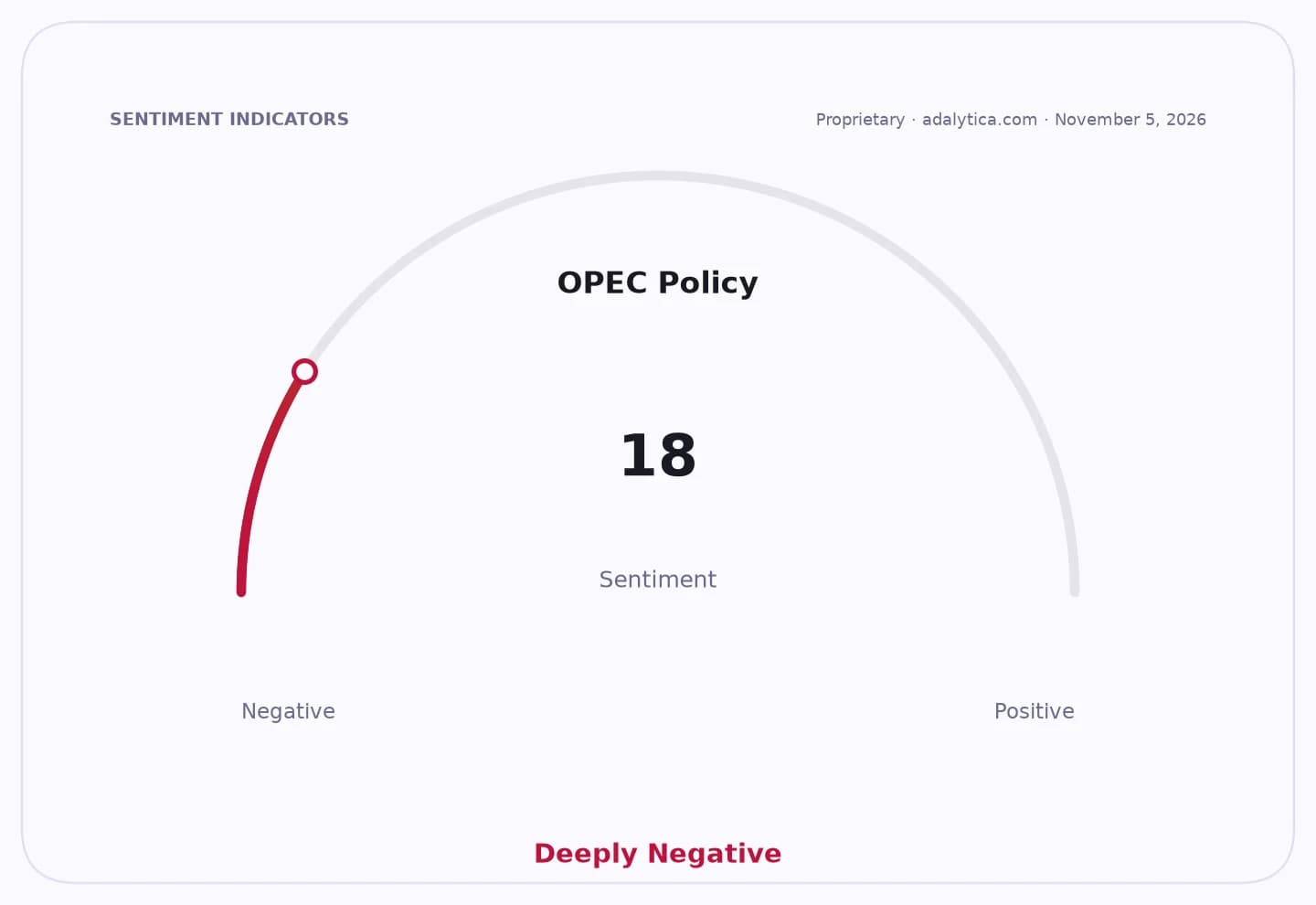
Sentiment Indicators
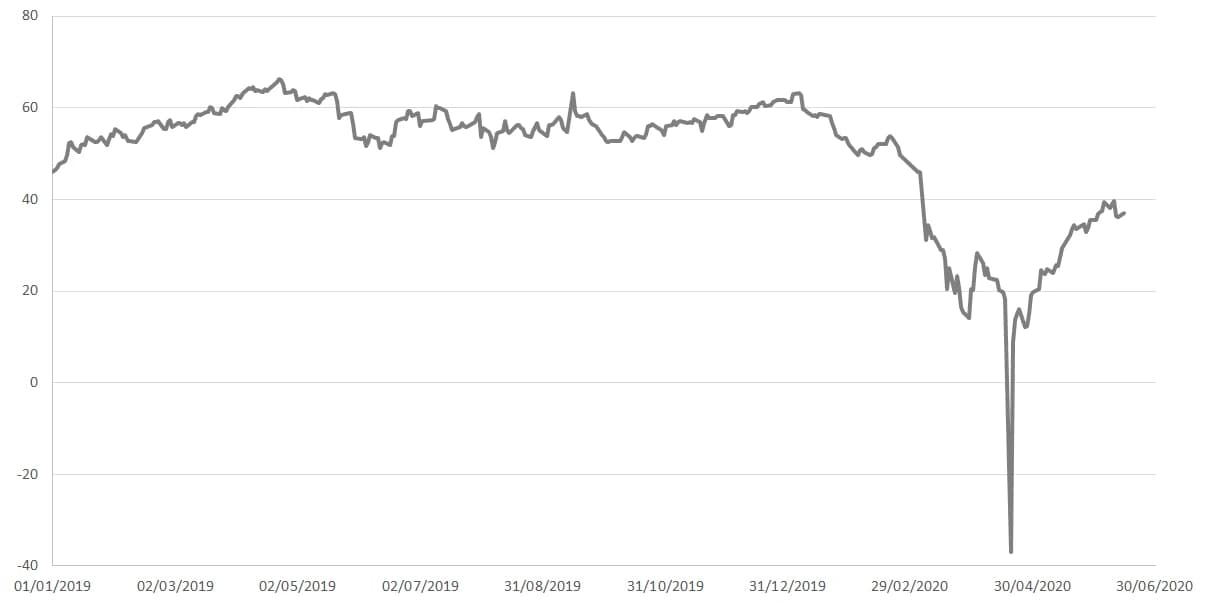
Oil markets have been swinging sharply, underscoring why reserve capacity is back in focus. U.S. benchmark West Texas Intermediate settled at $95.84 on Friday, while Brent ended at $88.56, both well below their peaks earlier this year but still elevated enough to keep pressure on import costs and domestic fuel policy.
Conventional technical indicators also show a softer short-term tone in crude. WTI is trading below its 50-day and 200-day moving averages, with RSI readings in the high 20s, while Brent is also under both moving averages and near the lower end of its Bollinger Band range. That points to recent weakness, but not a collapse in the broader oil backdrop.
For investors, the reserve buildup is a reminder that governments are likely to intervene more aggressively to manage energy affordability and supply risk. That can dampen volatility for consumers, but it can also reshape trading patterns in crude and refined products, especially if state purchases add demand or if tighter stockpiling rules constrain market availability.
The move could also matter for refiners, traders and fuel importers, which may face changes in procurement timing and working-capital needs if the state accelerates purchases. The next focus will be whether officials fund the reserve expansion through direct buying, mandates on suppliers or a mix of both, and how quickly the 90-day target can be reached without lifting prices.
| Entity | Gains | Losses |
|---|---|---|
| Government | ▲Bigger supply buffer | ▼Higher stocking costs |
| Consumers | ▲Less fuel-price volatility | ▼Less room for cheap imports |
| Refiners/traders | ▲Potential stockpiling demand | ▼Tighter supply and margins |
| Oil producers | ▲Steadier product demand | ▼Policy pressure on prices |