Grain prices are breaking higher again, and that matters because the rally is being driven by tighter supply, resilient demand and geopolitics at the same time — the kind of mix that can reshape farm income, food costs and investor returns for months, not days.
Grain prices rise on supply and war risks

Chicago wheat and corn have climbed to three-year highs, while soybean sales are accelerating as buyers scramble to secure supply. For farmers, that is a welcome change after a long stretch in which margin pressure and volatile weather made planning difficult. For investors, it is a reminder that agriculture is not just a defensive theme — it can be a powerful cyclical trade when shortages start to bite.
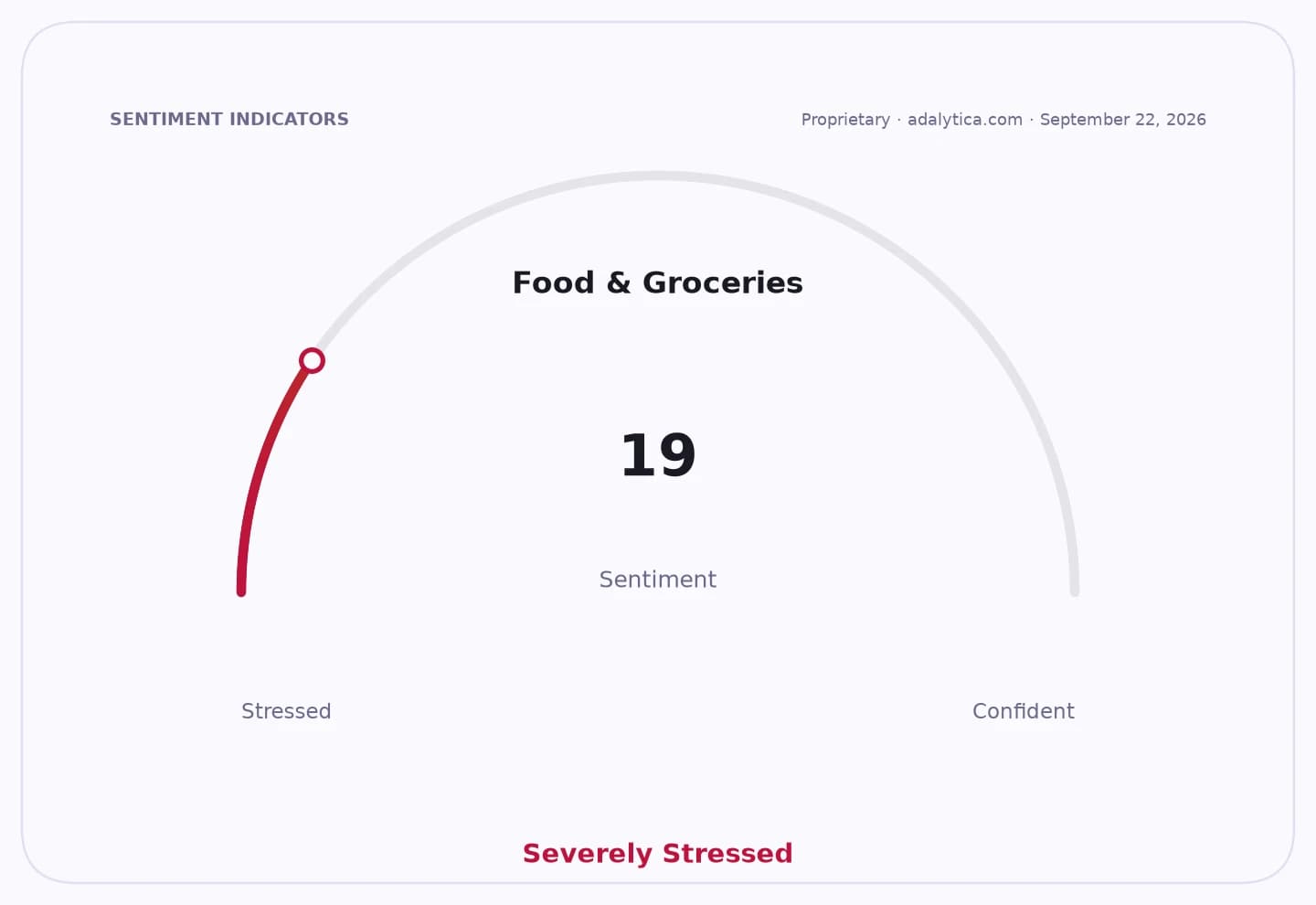
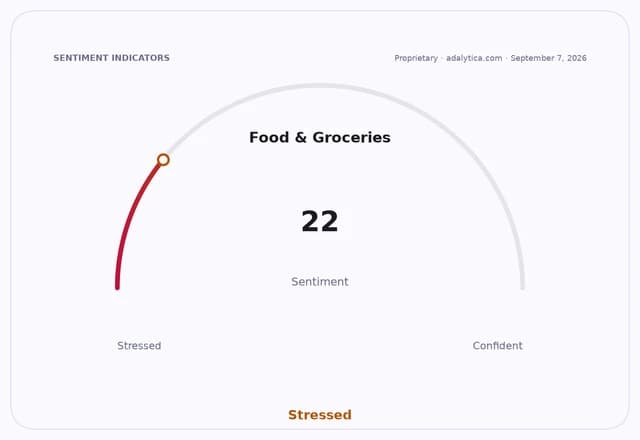
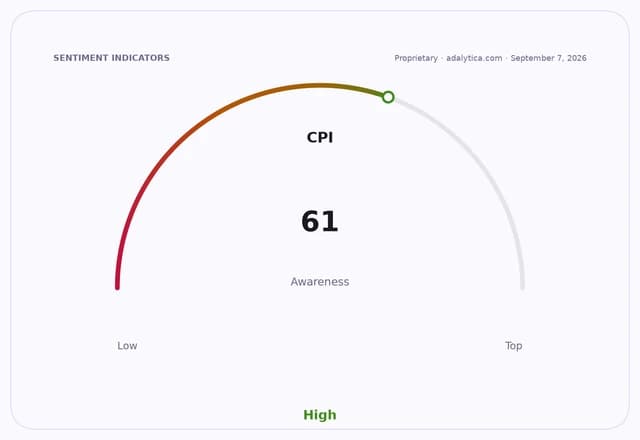
Sentiment IndicatorsⓘProprietary · adalytica.com · September 7, 2026
This is a snapshot — live sentiment, awareness and momentum for 130+ markets update continuously in the dashboard.Open AlphaPulse
The biggest force behind the move is a worsening outlook for crops in key producing regions. U.S. corn ratings recently slipped to 57% good-to-excellent from 69% a year ago, while French corn conditions have fallen to just 28%, the weakest reading in 15 years. Wheat has been lifted by the war risk around the Black Sea, where attacks on port infrastructure in Odesa and export-route disruptions have revived concern over supplies from one of the world’s most important grain corridors.
That geopolitical premium matters because the Black Sea remains central to global wheat trade. Even tentative signs of peace talks can pull prices back, as futures showed when wheat eased 2.5% after comments from Vladimir Putin raised hopes for negotiations. But the broader message is clear: when exports from Russia and Ukraine become less dependable, the market quickly pays up for alternative origins.
Food & Groceries vs WEATadalytica.com
Explore this data interactively — full history, time series and cross-market comparisons.Open AlphaPulse
Argentina is already seeing the opportunity. Wheat line-up volumes are at a five-year high for this point in the calendar, and domestic trading has accelerated as exporters and end users seek coverage. In Rosario, spot wheat reached $237.50 a ton and corn touched $190, both near their strongest levels in months. Futures for the 2026/27 wheat crop on A3 also hit record highs for the December contract, while price-fixation activity more than doubled in a week to 730,000 tons — the strongest volume since trading began for that new crop.
Soybeans are joining the rally, and that may be even more important for long-term investors because soy demand tends to reflect the health of both feed markets and global oilseed trade. In Argentina, weekly soybean sales jumped to 970,000 tons, the biggest pace since late June, while producer price-fixings more than quadrupled their recent average for the next crop. Spot soybeans reached 550,000 pesos a ton, or about $367, up nearly 9% in just two weeks.
The global backdrop helps explain why. China has been buying heavily from the U.S., with the USDA confirming 2.98 million tons of private soybean sales during August. At the same time, U.S. soybean crop ratings slipped to 58% good-to-excellent from 60% the prior week. Add a firmer oil market and you have a supportive environment for oilseeds, especially if weather problems persist into harvest.
For investors, the key point is not to chase every daily swing in grain futures. It is to recognize the broader setup: tighter supply, stronger pricing power and a possible improvement in farm economics. That can benefit grain producers, exporters, agribusinesses and select commodity funds, while pressuring food manufacturers, livestock feeders and consumers if elevated prices stick.
The trade is still vulnerable to one headline — especially any real progress in Russia-Ukraine peace talks — and grain markets can reverse fast when weather improves. But for now, the balance of risk is tilted toward higher prices, and that usually favors patient investors who understand that agricultural upcycles often last longer than the market expects. This is a sector worth watching closely, and for long-term portfolios, it remains a compelling place to look for opportunity.
| Entity | Gains | Losses |
|---|---|---|
| Grain farmers | ▲Better pricing power | ▼Higher volatility |
| Exporters like Argentina | ▲More buying interest | ▼Logistics strain |
| Livestock feeders and food makers | ▲— | ▼Higher input costs |
| Commodity bulls | ▲Momentum in wheat, corn, soy | ▼Peace-talk pullbacks |