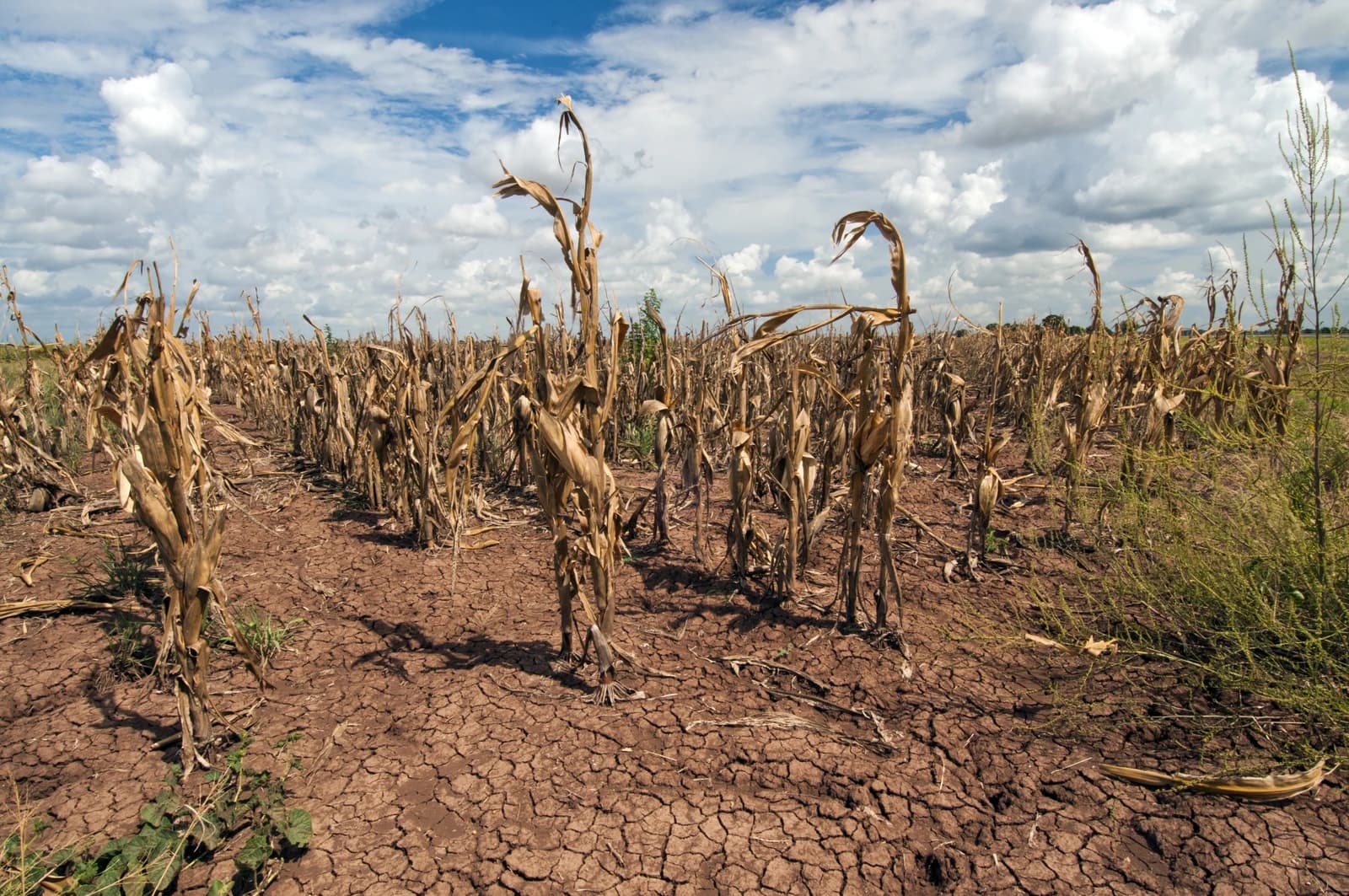
Corn and soybean prices are climbing again as traders price in weather threats to the U.S. crop belt and a tighter global supply picture, with the move now testing whether strong demand can offset the risk that drought trims yields.
Grains Rally on Weather and Supply Tightening
The rally matters because grains sit at the front end of the inflation chain: when corn and soybeans move, feed costs, livestock margins, biofuel economics and ultimately food prices all get pulled along with them. In a market already sensitive to the path of U.S. inflation and the dollar, a sustained grain bid can influence everything from commodity-linked equities to consumer staples margins and central-bank thinking about food inflation persistence.
Sentiment IndicatorsⓘProprietary · adalytica.com · July 21, 2026
This is a snapshot — live sentiment, awareness and momentum for 130+ markets update continuously in the dashboard.Open AlphaPulse
Soybean-linked SOYB has risen to $25.88 on July 20 from $24.09 on June 24, while CORN has advanced to $17.91 from $16.47 over the same period. The technical picture suggests momentum has turned decisively higher: both funds are trading above their 50-day and 200-day moving averages, with RSI readings in overbought territory, a sign that buying pressure has been strong enough to push prices beyond recent trend levels. WEAT has followed the same pattern, adding to the sense that the market is broadening from a narrow weather trade into a wider agricultural revaluation.
The catalyst is not just U.S. weather. Prolonged drought in Central Brazil is threatening the country’s second corn crop, which accounts for roughly three-quarters of total output, raising the possibility of tighter global corn supplies just as U.S. traders worry about domestic dryness. At the same time, record Chinese soybean imports in June, helped by a 14% increase in Brazilian shipments, underscore how demand is still gravitating toward South America even as American soybean imports fell 21%. That split is important: it shows the market is not merely reacting to bad weather, but to a shifting trade map in which Brazil’s export role is deepening.
For producers, higher grain prices can be a relief after periods of margin pressure. For buyers, they raise hedging costs and threaten input inflation. Livestock feeders, ethanol producers and food manufacturers face the most immediate squeeze if the rally extends, while traders and grain merchandisers benefit from more volatility and wider opportunities in basis and spread markets. The move also offers a reminder that agricultural commodities can reprice quickly when drought risk meets robust demand, leaving little room for complacency.
There are still bearish arguments. Improved crop conditions in parts of the U.S. have recently cooled some Chicago selling, and elevated prices can eventually ration demand, especially if the dollar strengthens or macro growth softens. But with soybean and corn charts flashing strength and weather uncertainty still unresolved, the market is signalling that supply risk is once again the dominant variable.
Investors will be watching U.S. rainfall forecasts, Brazilian crop estimates and export flow data for signs that the rally is either extending into a full supply scare or fading as improved conditions stabilize yield expectations. For now, the balance of risk remains tilted toward higher volatility and firmer grain prices.
| Entity | Gains | Losses |
|---|---|---|
| Grain producers | ▲Higher selling prices | ▼Input-cost volatility |
| Feed users / livestock operators | ▲— | ▼Higher feed costs |
| Brazil exporters | ▲Stronger demand for shipments | ▼Drought-related yield risk |
| Grain traders / merchandisers | ▲Volatility and hedging activity | ▼Inventory risk |