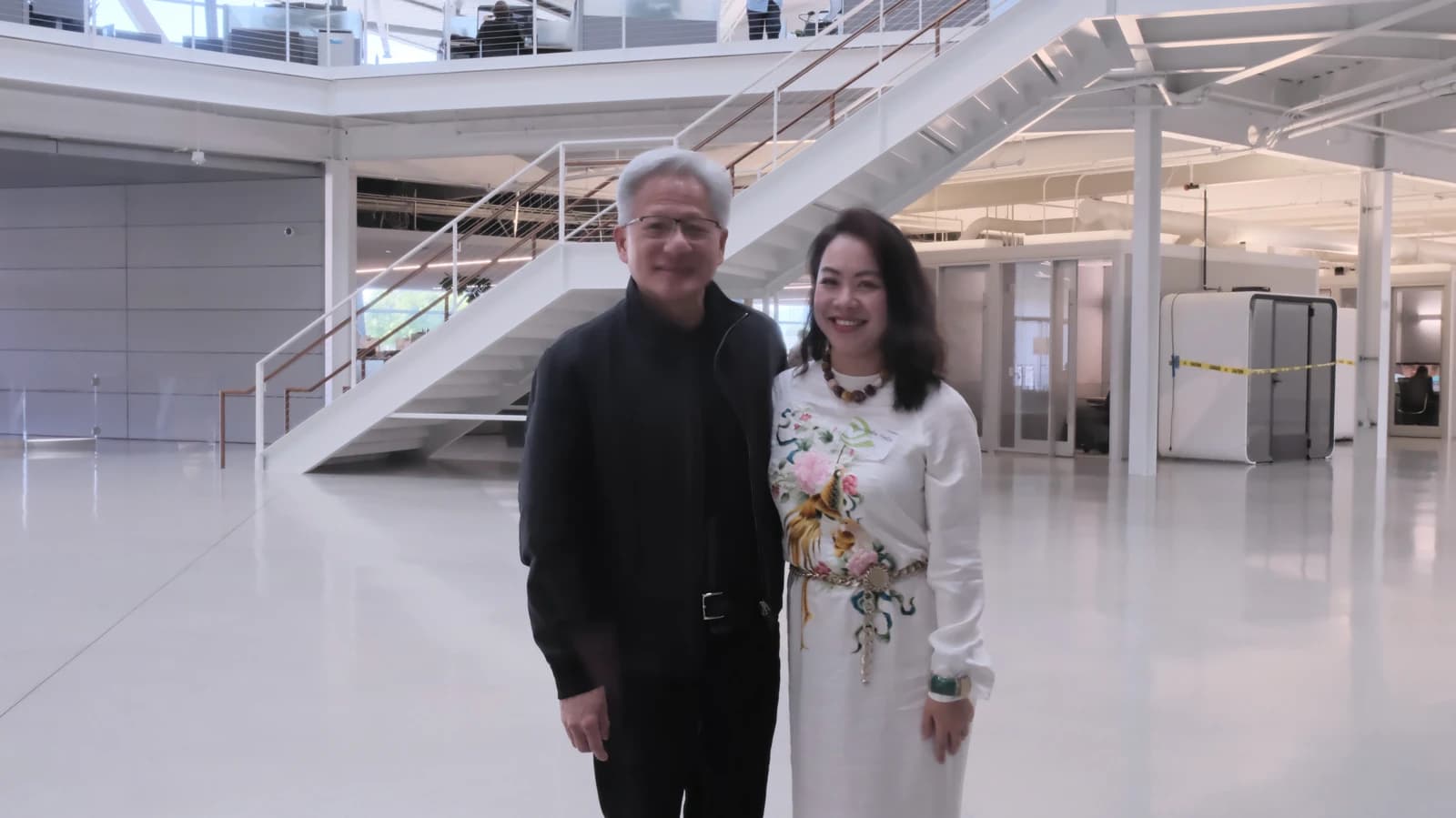
The Creative AI Foundation is betting that the next phase of artificial intelligence won’t be defined only by chipmakers and cloud giants, but by who shapes its impact on culture, ethics and public trust.
Greater Zurich AI ecosystem draws CAIF focus
That may sound abstract, but it matters economically because AI is moving from a back-office productivity tool to a force that will influence jobs, creative industries, education and regulation. For investors, that broadens the opportunity set well beyond the obvious beneficiaries in semiconductors and software. It also raises a tougher question: which regions and institutions can turn AI adoption into durable ecosystems, rather than just another technology cycle?
CAIF’s answer is Greater Zurich. The Swiss nonprofit says the region offers something increasingly valuable in the AI race: a compact network where global tech firms, universities and cultural institutions are close enough to collaborate in real time. Founder Yuan Martschnig-Wei pointed to Google, Nvidia, ETH Zurich and Disney Research as part of that environment, along with a legal and tax framework that makes it easier for foundations to set up and keep more resources focused on their mission. In a world where AI development is often discussed in terms of scale and speed, Zurich is pitching something different — trust, precision and interdisciplinary depth.
That positioning could have real economic significance. Switzerland already has a reputation for original research, robotics and high-value engineering, while China brings cost-efficient manufacturing and hardware supply chains. CAIF is trying to sit at the junction of those strengths by linking artists, technologists, philosophers and policy specialists. The foundation says it has already hosted panels and performances at the Zurich AI Festival, connected policy figures to AI governance discussions and helped bridge Swiss and Chinese robotics communities. That kind of convening power does not just create headlines; it can shape where talent flows, where pilots get built and where new institutions emerge.
For investors, the larger takeaway is that AI infrastructure alone is not the whole story. As the technology spreads, winners may also include cities, universities, events platforms, research hubs and specialized nonprofits that help translate technical progress into social legitimacy. That matters because regulation, adoption and public acceptance will all influence how quickly AI products move into the mainstream. If a region can become a trusted meeting point for those debates, it can attract capital, talent and corporate partnerships.
CAIF’s roadmap suggests it wants to do exactly that over the next 12 to 24 months. The foundation plans to deepen its work inside the Greater Zurich AI ecosystem, take part in the Zurich AI Festival 2026, build ties with groups such as Women in Robotics and prepare for a proposed International Humanoid Robotics Ski Championship in the Alps in 2027. It also wants to launch a philosophy club to examine AI’s effect on humanity, jobs and social impact.
That may not move markets on its own, but it speaks to a bigger long-term trend: the AI economy is becoming broader, messier and more human. The places that win will not just invent the technology. They will also shape the conversation around it. For long-term investors, Greater Zurich looks worth watching as one of the quieter but potentially durable nodes in that network.
| Entity | Gains | Losses |
|---|---|---|
| Greater Zurich Area | ▲AI ecosystem credibility | ▼Regions lacking research density |
| CAIF | ▲Visibility, partnerships, mission reach | ▼Founders without institutional support |
| AI companies | ▲Access to talent and policy dialogue | ▼Isolated startups |
| Cultural institutions | ▲New funding and relevance | ▼Traditional silos |