President Donald Trump is using the nation’s top science honours to elevate Silicon Valley executives, a symbolic shift that underscores his effort to tie US innovation policy more closely to big tech, even as Chinese analysts question whether a business-led model can deliver a true scientific “golden age.”
Trump awards honor Nvidia, Musk, and Big Tech
The move matters because it signals where Washington may direct influence, capital and prestige in the AI era: toward companies that already dominate computing power, chips and cloud infrastructure. For investors, that keeps the spotlight on the handful of megacap technology firms expected to turn research spending into commercial products — and on whether that spending can sustain returns at a time when capital intensity is rising across the sector.
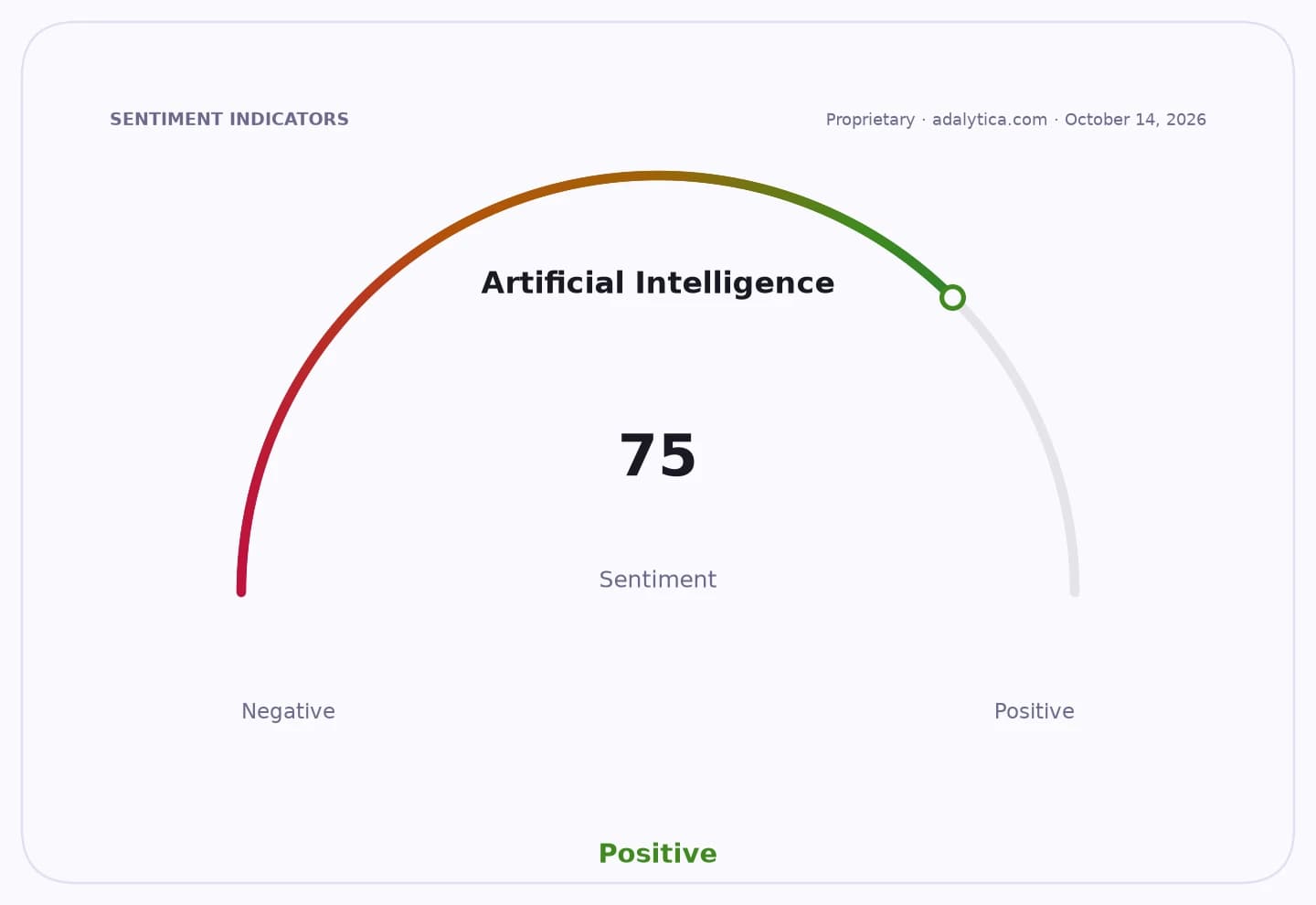
Sentiment IndicatorsⓘProprietary · adalytica.com · October 14, 2026
This is a snapshot — live sentiment, awareness and momentum for 130+ markets update continuously in the dashboard.Open AlphaPulse
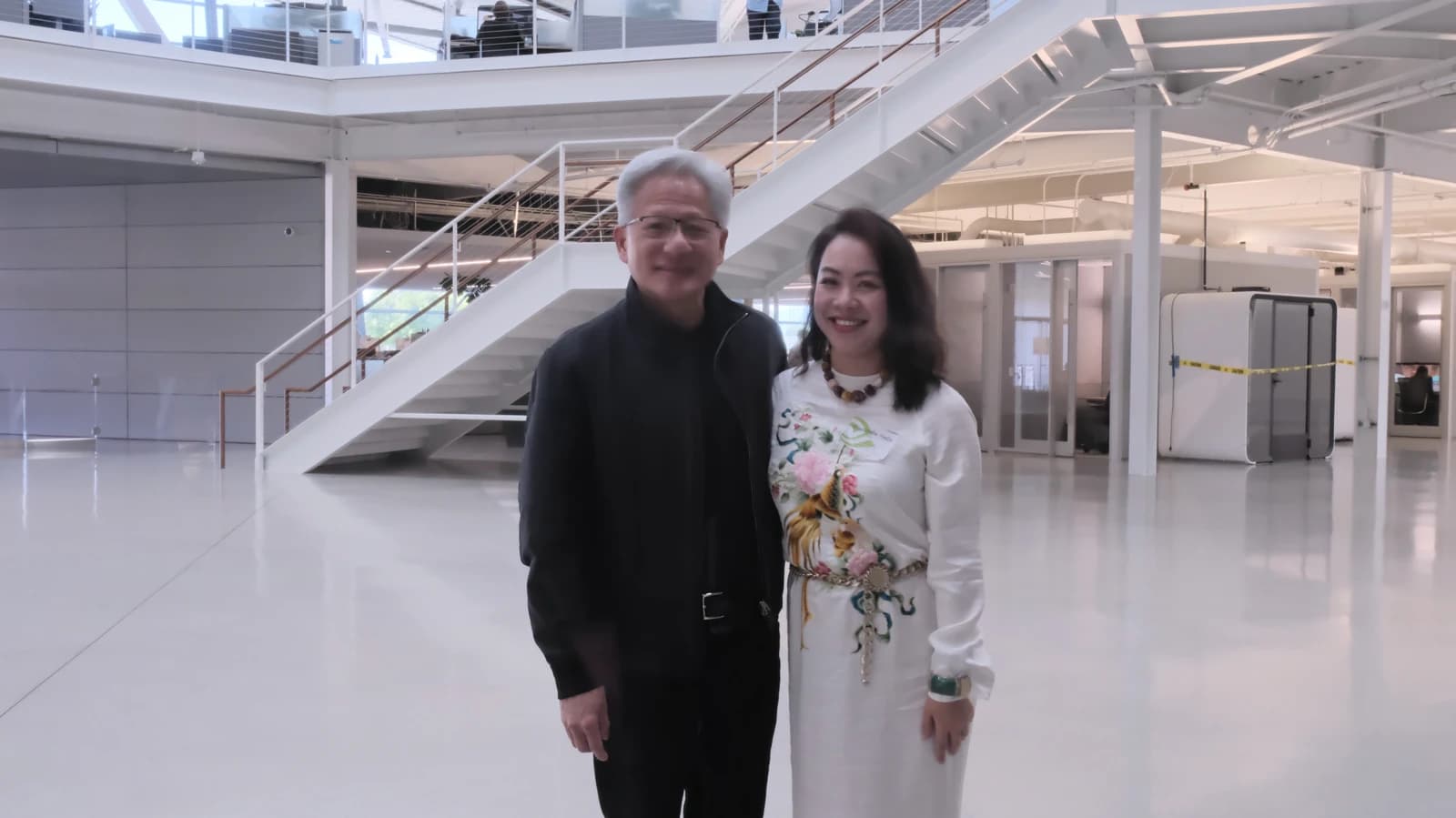
The White House’s message is aimed well beyond ceremony. By handing out the highest science and engineering awards to tech chiefs such as Elon Musk and Nvidia’s Jensen Huang, Trump is effectively blessing a model in which frontier research is increasingly financed, organized and commercialized by private companies rather than universities or federal labs.
That approach could help the US move faster in artificial intelligence, semiconductors and advanced computing, areas where private-sector scale is already decisive. It also dovetails with a broader industry trend: companies including Microsoft, Nvidia, Meta and Amazon have been pouring billions into AI infrastructure and research, betting that the payoff will come in cloud services, software, advertising and chips.
Markets have rewarded that thesis, but not without volatility. The Nasdaq-100 remains far above its long-term trend, with the QQQ ETF closing at 743.57 on Oct. 13, above its 200-day moving average of 672.12 even after a recent pullback from this month’s high. Nvidia closed at 228.52, above its 200-day average of 202.22, while Microsoft ended at 196.28, also comfortably above its 200-day line of 166.54.
Still, the trade is not one-way. Technical readings on several megacap names have cooled from earlier peaks, with Microsoft’s relative strength index near 52.5 and Nvidia’s at 54.4, suggesting the market is still digesting the scale of AI spending. Adalytica’s Microsoft earnings sentiment gauge sits in “Extreme Fear,” while its AI snapshot shows “Greed,” reflecting the split between enthusiasm for the theme and concern over margins, returns and execution.
Chinese analysts are reading Trump’s move as a strategic signal as much as a domestic one. If Washington is deliberately aligning scientific prestige with corporate power, Beijing may see a more unified US push in strategic technologies — and a harder race for talent, chips and intellectual property.
The open question is whether the model scales beyond headline symbolism. Private capital can accelerate breakthroughs, but it can also concentrate power, narrow research priorities and leave basic science exposed to market cycles. That tension will matter for the next phase of US policy, as investors watch whether the administration follows the awards with funding, tax incentives or regulatory changes that can keep big tech’s research machine running.
| Entity | Gains | Losses |
|---|---|---|
| Big Tech leaders | ▲Prestige and policy influence | ▼Scrutiny over returns on AI spending |
| Nvidia, Microsoft, peers | ▲Support for commercialized research | ▼Pressure to justify heavy capex |
| Trump White House | ▲Pro-business innovation narrative | ▼Criticism over favoritism |
| Chinese rivals | ▲Clearer view of US tech priority | ▼Harder competition for talent and scale |