Inflation and higher nominal incomes are set to swell tax revenue in 2026, giving Greece a bigger-than-expected primary surplus even as households, especially lower earners, absorb a sharper cost-of-living squeeze.
Greece 2026 Budget Sees Higher Tax Revenue
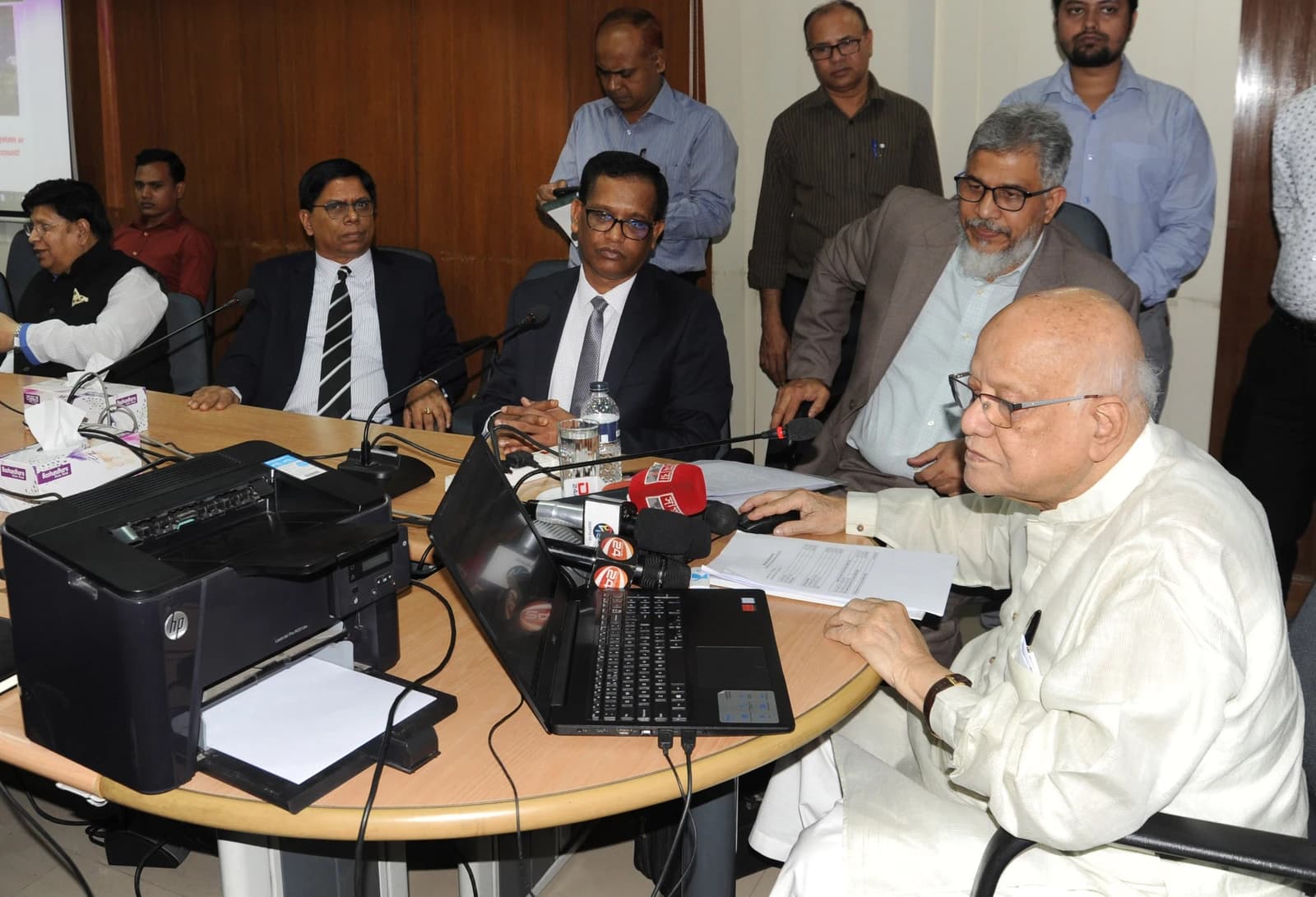
The State General Accounting Office now expects tax takings to reach €75.73 billion this year, €2.08 billion above the budget forecast, with the overrun largely driven by VAT and income tax. The primary surplus has been revised up to €9.55 billion, or 3.6% of GDP, from €7.21 billion in the original 2026 budget.
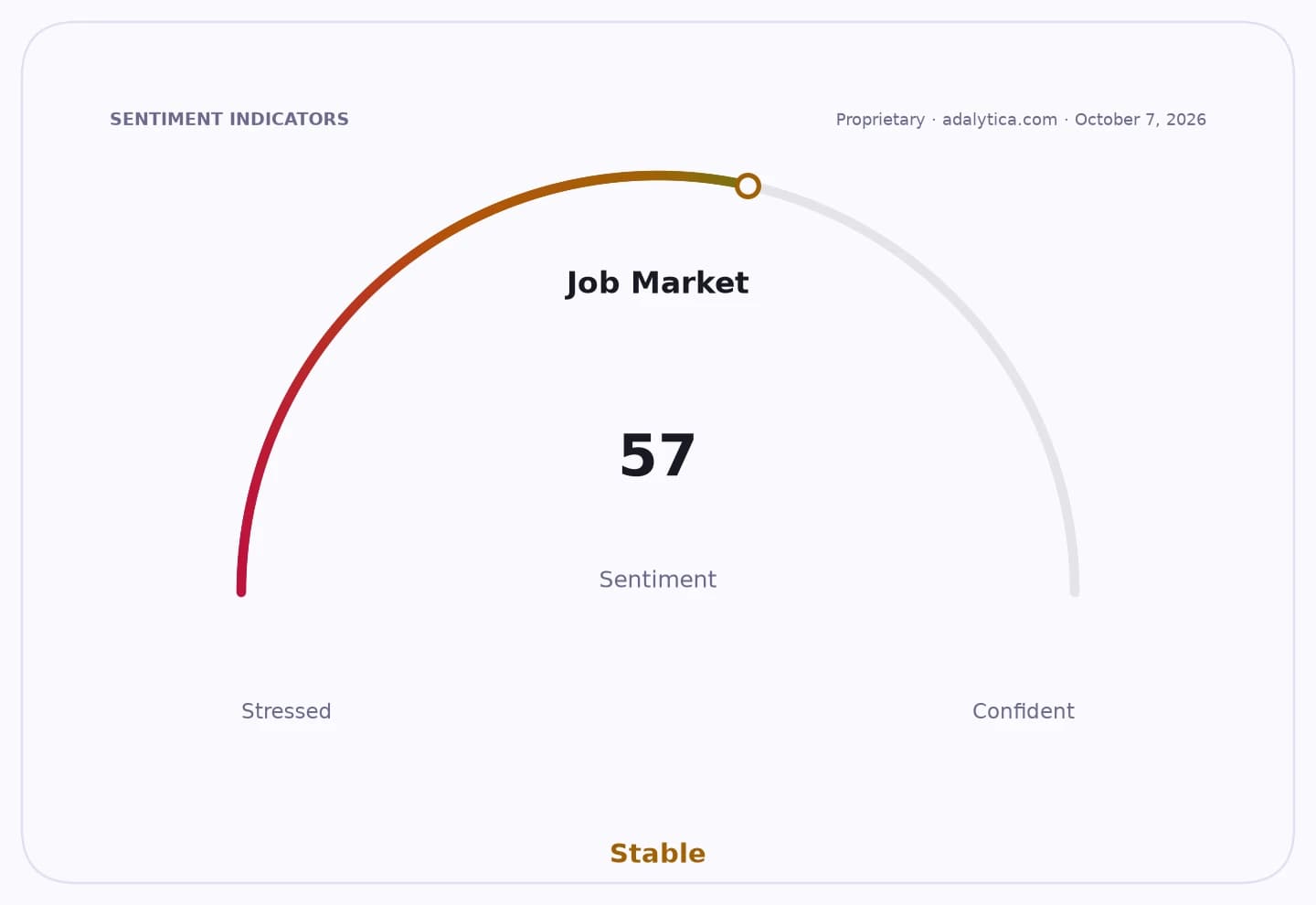
Sentiment IndicatorsⓘProprietary · adalytica.com · October 7, 2026
This is a snapshot — live sentiment, awareness and momentum for 130+ markets update continuously in the dashboard.Open AlphaPulse
That matters because it shows the fiscal books are improving not just from stronger economic activity, but also from inflation pushing up the tax base. VAT collections are projected at €30.78 billion, €1.55 billion above target, since the levy is charged on higher prices for goods and services even when volumes do not rise.
Income tax is also helping the state take in more cash. Receipts from income tax are expected to total €27.34 billion, €581 million above target, while taxes on individuals are seen at €16.37 billion, €560 million higher, reflecting the boost from rising nominal wages.
The upside for the budget is partly offset by weaker excise takings, which are seen at €7.17 billion, about €283 million below target, mainly because energy-product consumption has fallen. Still, indirect taxes overall are projected to climb to €42.25 billion, underlining how price rises are feeding directly into public revenues.
For investors, the larger surplus strengthens Greece’s near-term fiscal profile and supports the government’s room to maneuver on debt reduction, spending commitments and any pre-election or social relief measures. It also reinforces the divide between headline fiscal improvement and household stress: inflation is helping the state while eroding purchasing power, especially for retirees and lower-income workers.
The 2027 draft budget suggests the trend is not fading quickly, with tax revenue expected to overshoot 2026 estimates by another €2.15 billion. Markets will be watching whether inflation keeps bolstering receipts without forcing a deeper policy response to protect real incomes.
| Entity | Gains | Losses |
|---|---|---|
| Greek state budget | ▲Higher tax revenue | ▼None in the near term |
| Investors in Greek debt | ▲Stronger fiscal metrics | ▼Less upside from fiscal loosening |
| Households on fixed incomes | ▲None | ▼Lower purchasing power |
| Consumers and energy users | ▲None | ▼Higher VAT and weaker real incomes |