Greece is trying to turn a political charm offensive in Silicon Valley into real capital, and the prize is access to the next wave of AI infrastructure spending.
Greece courts Nvidia, Tesla for AI investment
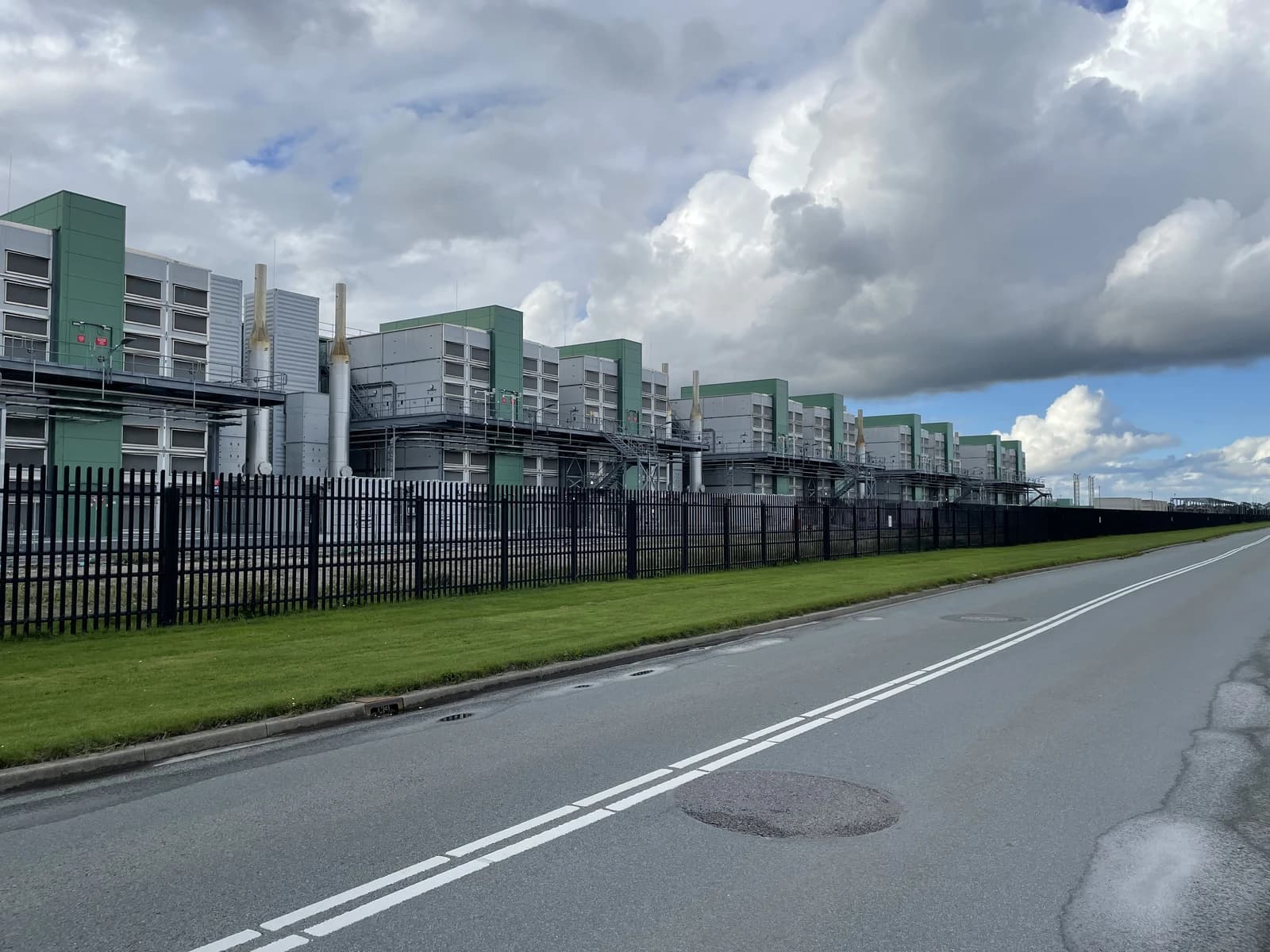
Prime Minister Kyriakos Mitsotakis met Tesla, Nvidia and Sequoia Capital in California to pitch Greece as a location for digital and computing investment, part of a broader effort to pull foreign money into a country still rebuilding its growth model after years of crisis. The outreach matters because the AI boom is no longer just about software — it is about power, data centers, chips, robotics and the industrial policy needed to host them.
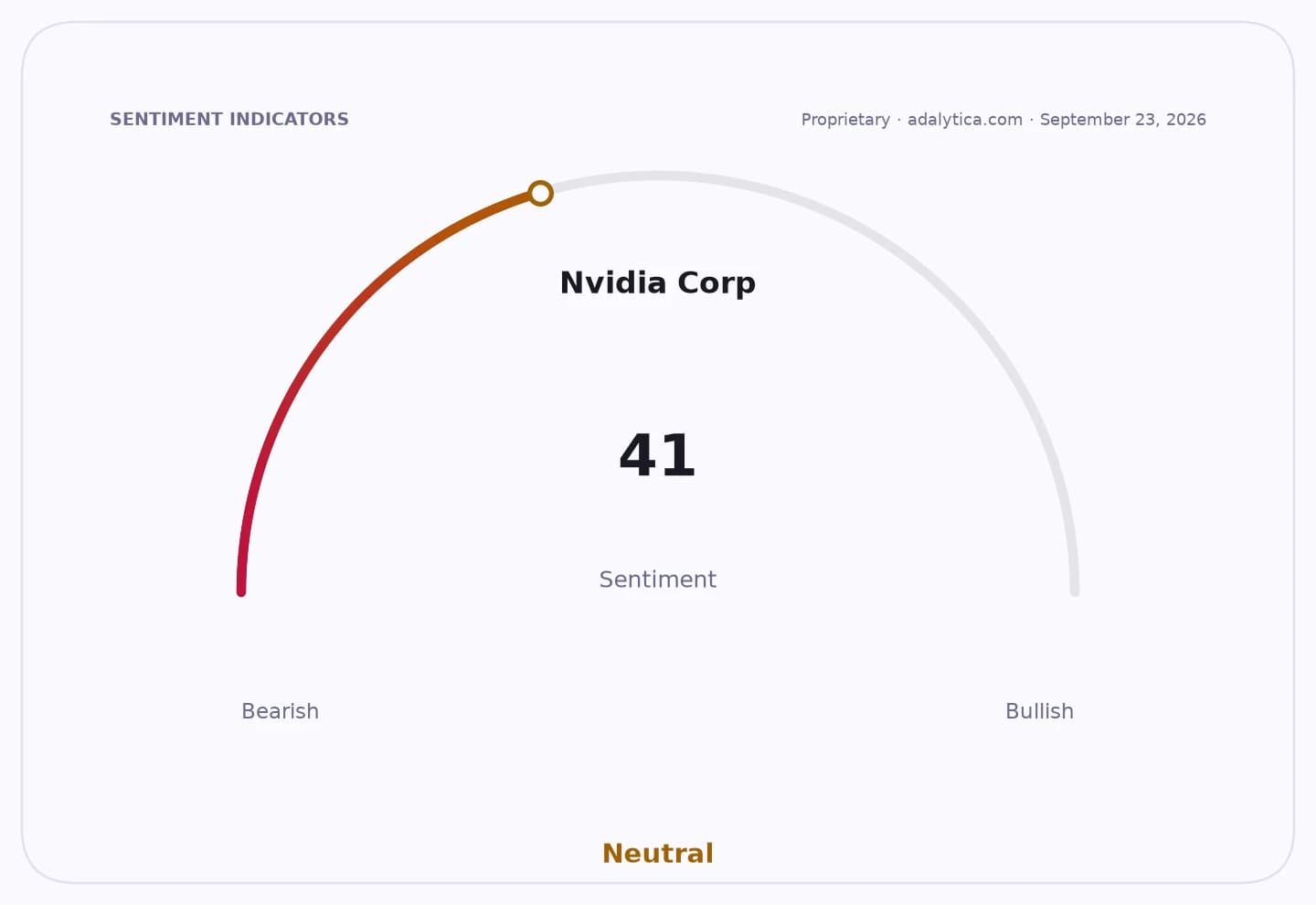
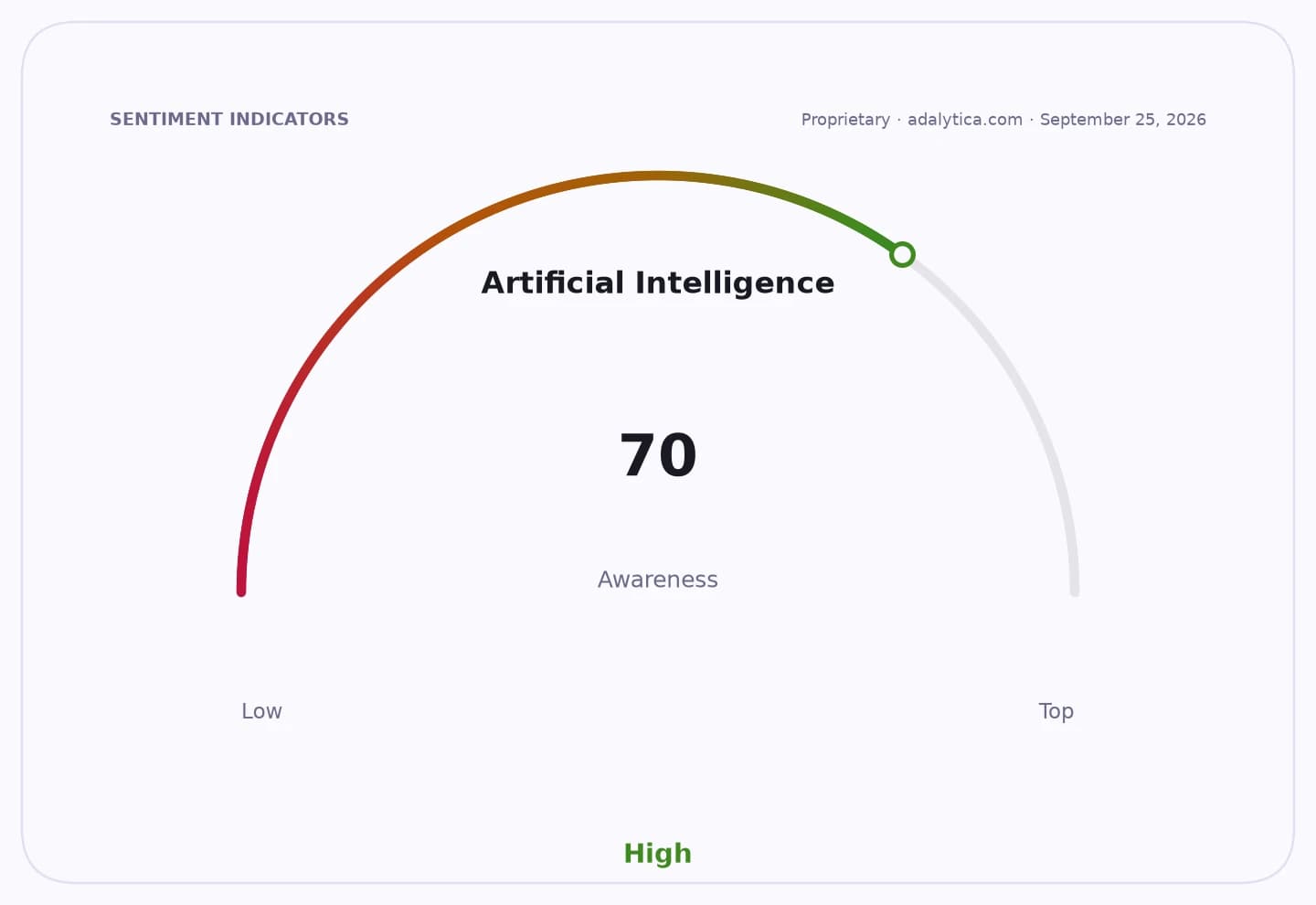
Sentiment IndicatorsⓘProprietary · adalytica.com · September 26, 2026
This is a snapshot — live sentiment, awareness and momentum for 130+ markets update continuously in the dashboard.Open AlphaPulse
For investors, that creates a straightforward thesis: the market is still underestimating how quickly countries on the edge of Europe can compete for AI-related capex if they can offer stability, incentives and access to the EU market. Greece is positioning itself around exactly those assets, with officials leaning on fiscal credibility, energy investment and targeted subsidies to attract projects in digital infrastructure and advanced technology.
Tesla and Nvidia are not random stops. Tesla is pushing deeper into autonomy, energy and humanoid robotics through Optimus, while Nvidia remains the central supplier of the compute stack behind AI deployment. Sequoia, meanwhile, connects the deal flow — the startup layer where future AI applications in medicine, education, automation and robotics are financed. Mitsotakis’ meetings suggest Athens wants a share of the entire ecosystem, not just a few headline investments.
That ambition is backed by policy signaling. Greece has spent the past year selling itself as an upgraded investment destination, including after the country’s return to developed-market status under FTSE Russell. The government has also been offering subsidies of up to 20 million euros per project to draw companies to Athens and beyond, a reminder that the competition for AI and cloud investment is increasingly being fought with industrial policy, not just marketing.
The corporate backdrop reinforces the urgency. Nvidia has told investors in filings that its land, power, shell and energy needs are a complex, multi-year challenge, while Tesla says it is making critical investments in AI, manufacturing, semiconductors and Optimus. That means the winners from the AI buildout are not only the obvious chip and platform names, but also the countries, utilities, contractors and infrastructure owners that can provide the physical backbone.
For Greece, the upside is bigger than a few flagship announcements. Winning even a modest share of AI-linked investment could deepen capital inflows, create higher-value jobs, and strengthen demand for energy, logistics and digital services. For investors, the key question is which listed beneficiaries emerge first: chipmakers and AI infrastructure leaders globally, and within Europe, the power, grid and data-center names that can monetize the buildout.
The market may already price AI demand as a U.S. phenomenon. I think that is too narrow. Mitsotakis’ Silicon Valley trip is a reminder that the next phase of the trade is geographic: wherever governments can clear land, power and regulation fast enough, AI capex will follow. Greece is trying to become one of those places, and that makes the country’s infrastructure, energy and digital-equipment pipeline a story worth owning early.
| Entity | Gains | Losses |
|---|---|---|
| Greece | ▲FDI inflows, higher-value jobs | ▼Slow-growth status quo |
| Nvidia | ▲More AI infrastructure demand | ▼Skeptics of multi-year capex cycle |
| Tesla | ▲Support for autonomy/robotics ecosystem | ▼Markets dismissing long-dated growth bets |
| EU data-center and power providers | ▲New project pipeline | ▼Regions without power or policy edge |