Greece will lower the tax burden on about 155,000 self-employed workers from 2027 after scrapping two add-on rules that had lifted deemed income for professionals with employees or stronger-than-average turnover, a politically important change that eases pressure on small businesses while trimming state revenue.
Greece cuts taxes for self-employed workers in 2027
The reform, announced by Prime Minister Kyriakos Mitsotakis at the Thessaloniki International Fair, removes the 10% surcharge on annual payroll costs and the 5% uplift tied to turnover above the average for each business activity code. That means compliant professionals will no longer be pushed into the presumptive tax model simply because they hire staff or outperform peers, a point that has been central to criticism that the system penalized growth and formal employment.
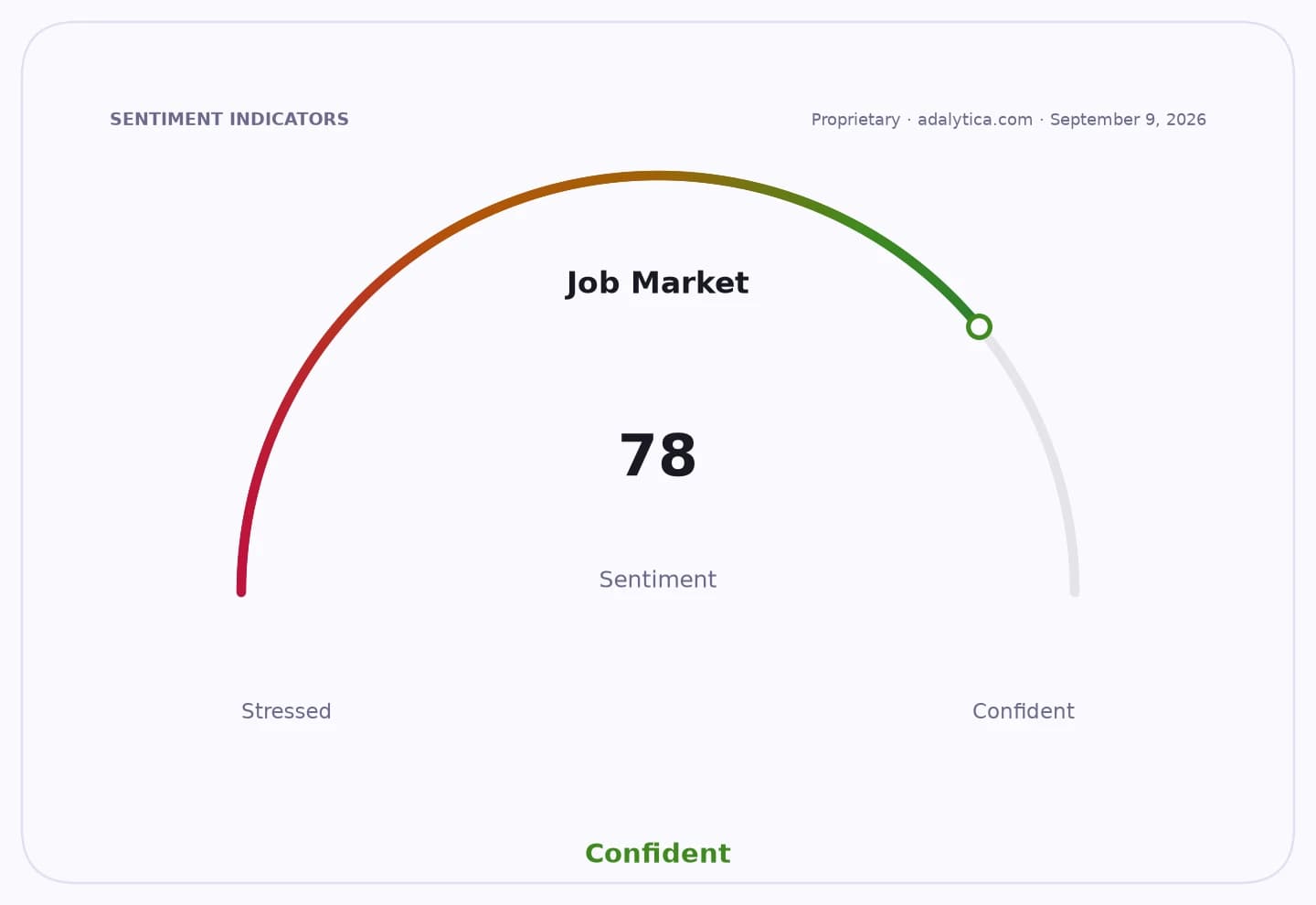
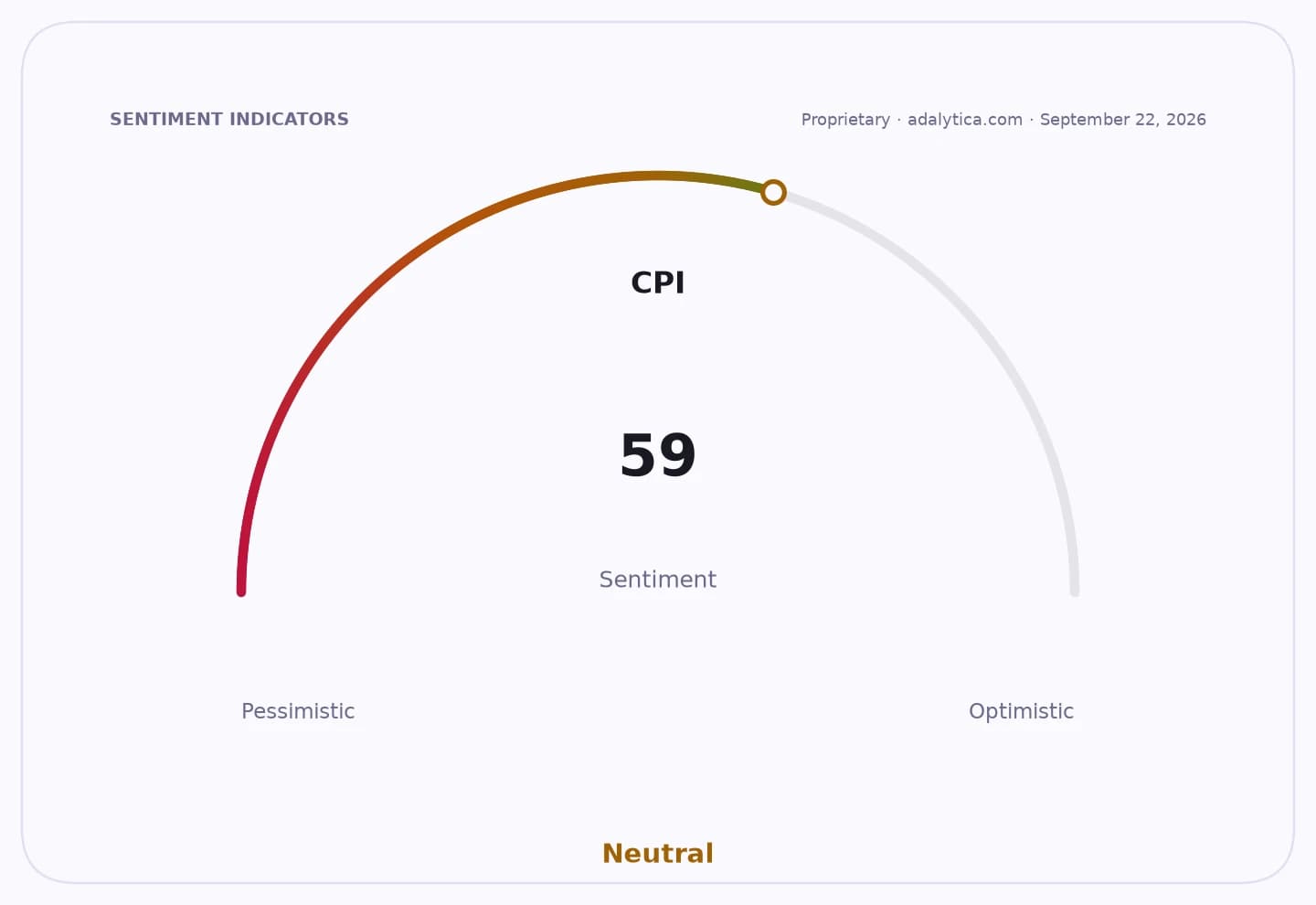
Sentiment IndicatorsⓘProprietary · adalytica.com · September 7, 2026
This is a snapshot — live sentiment, awareness and momentum for 130+ markets update continuously in the dashboard.Open AlphaPulse
The economic impact is modest in aggregate but meaningful at the micro level. The government is combining the change with already legislated cuts in income tax rates, so the benefit for many freelancers will only become visible when 2027 tax returns are settled, even though the relief applies to 2026 income. Officials are also reducing the tax prepayment rate for sole proprietors to 50% from 55% for income earned in 2027, easing near-term cash-flow strain after years of pressure on households and smaller firms.
For investors, the most relevant takeaway is not a direct market-moving fiscal shock but the signal that Athens is still leaning toward pro-business tax relief even as it manages a tight budget. Lower effective taxes could support domestic consumption, improve cash generation for small enterprises and reduce incentives to underreport income. That matters in a country where the self-employed remain a large part of the private economy and where tax compliance has long been a policy fault line.
The clearest example from the government’s own calculations shows why the reform resonates. A cafe owner with 15 years in business, five employees and annual payroll of 105,000 euros would see deemed income fall from 27,244 euros to 16,744 euros, cutting tax from 4,783 euros to 2,249 euros, a reduction of about 53%. That kind of relief could improve hiring incentives at the margin and help larger microbusinesses compete more fairly against smaller operators that have historically faced lighter presumptive charges.
The policy also extends the 50% reduction in deemed-income benchmarks to self-employed workers in smaller settlements, widening the threshold from 1,500 to 2,000 residents. That is likely to benefit rural businesses and local service providers, while the lower advance-tax payment should ease working-capital needs in sectors where cash flow is seasonal and borrowing costs remain sensitive.
The trade-off is fiscal. Softer taxation for freelancers and sole proprietors helps the government address a politically sensitive constituency, but it also narrows the room for maneuver if growth slows or if broader tax reforms fail to deliver enough compliance gains. For investors watching Greek assets, the reform supports the domestic demand story and may be mildly positive for banks and retail-sensitive sectors through better small-business liquidity, but its ultimate value will depend on whether it improves collections without eroding the budget balance.
| Entity | Gains | Losses |
|---|---|---|
| Self-employed professionals | ▲Lower tax bills | ▼Less burden under presumptive rules |
| Small-business owners in villages | ▲50% lower benchmarks | ▼Higher deemed-income pressure ends |
| Greek state budget | ▲Political goodwill | ▼Some near-term tax revenue |
| Domestic consumption and banks | ▲Better cash flow | ▼Limited fiscal room |