Greece is using its biggest defense buildout in years to lock in a harder regional posture, deepen ties with Israel and the Gulf, and keep pressure on Turkey’s long-running F-35 ambitions — a shift that matters for security, industrial flows and the next wave of defense spending.
Greece boosts defense ties with Israel and Gulf
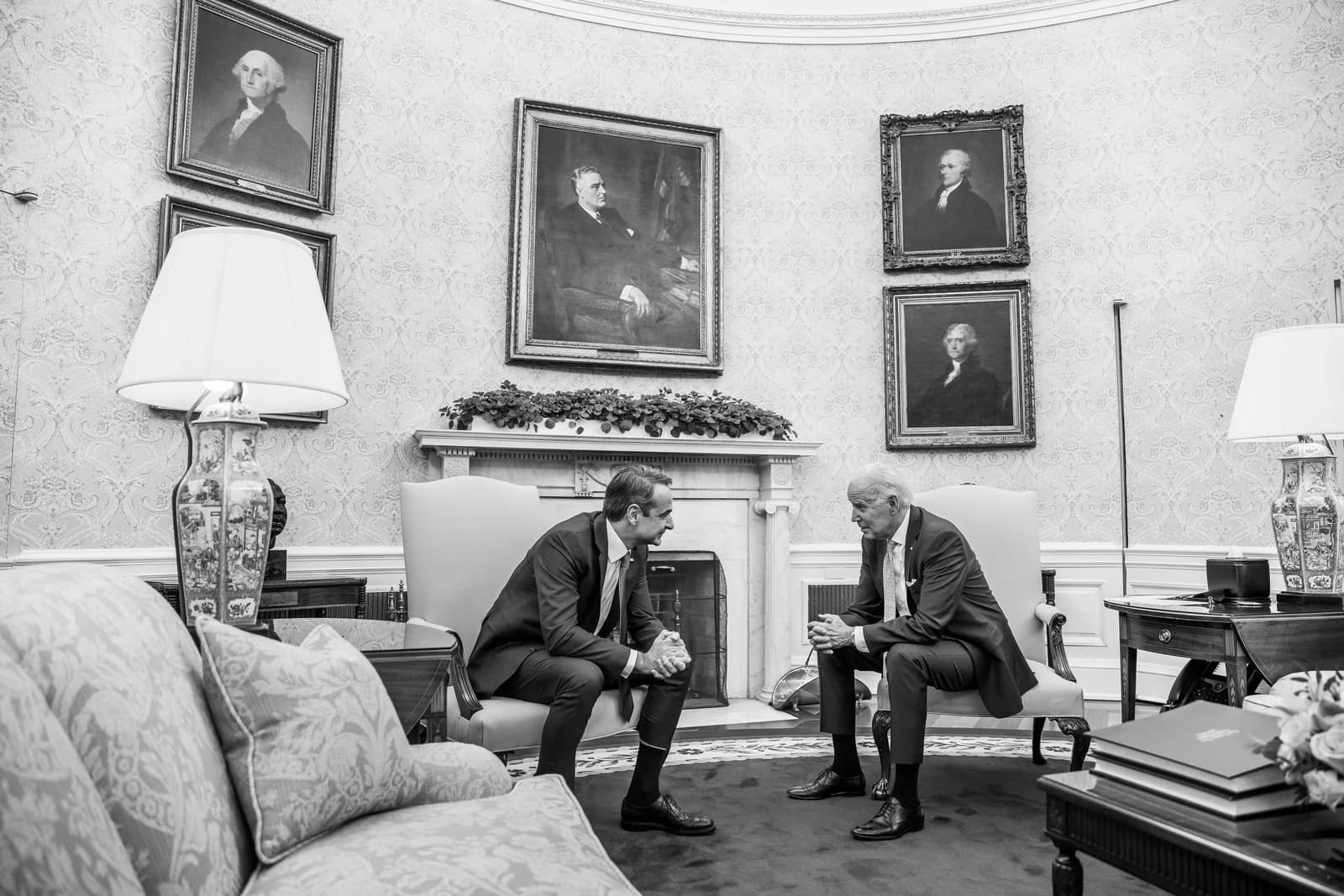
Prime Minister Kyriakos Mitsotakis said at the Thessaloniki International Fair that Greece’s new “Achilles Shield” is a purely defensive system designed to protect the country against current and future threats, while pointing to “serious obstacles” facing Turkey’s bid to obtain F-35 jets. He also signaled that Athens’ strategic links with Gulf states remain intact and said he will travel to Saudi Arabia to reaffirm them.
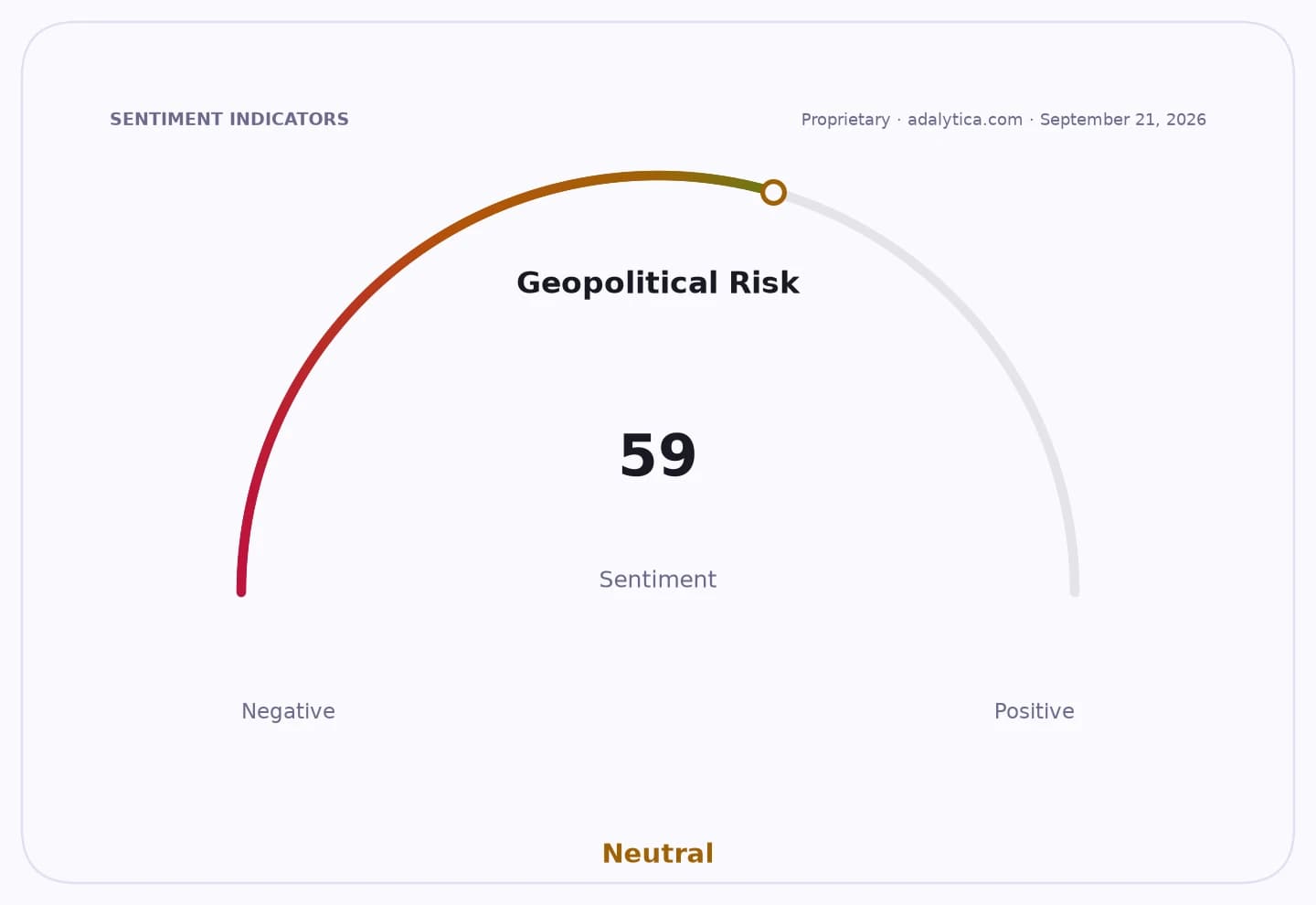
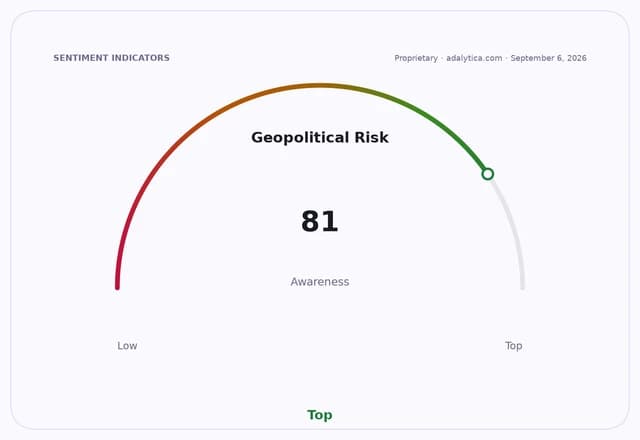
Sentiment IndicatorsⓘProprietary · adalytica.com · September 6, 2026
This is a snapshot — live sentiment, awareness and momentum for 130+ markets update continuously in the dashboard.Open AlphaPulse

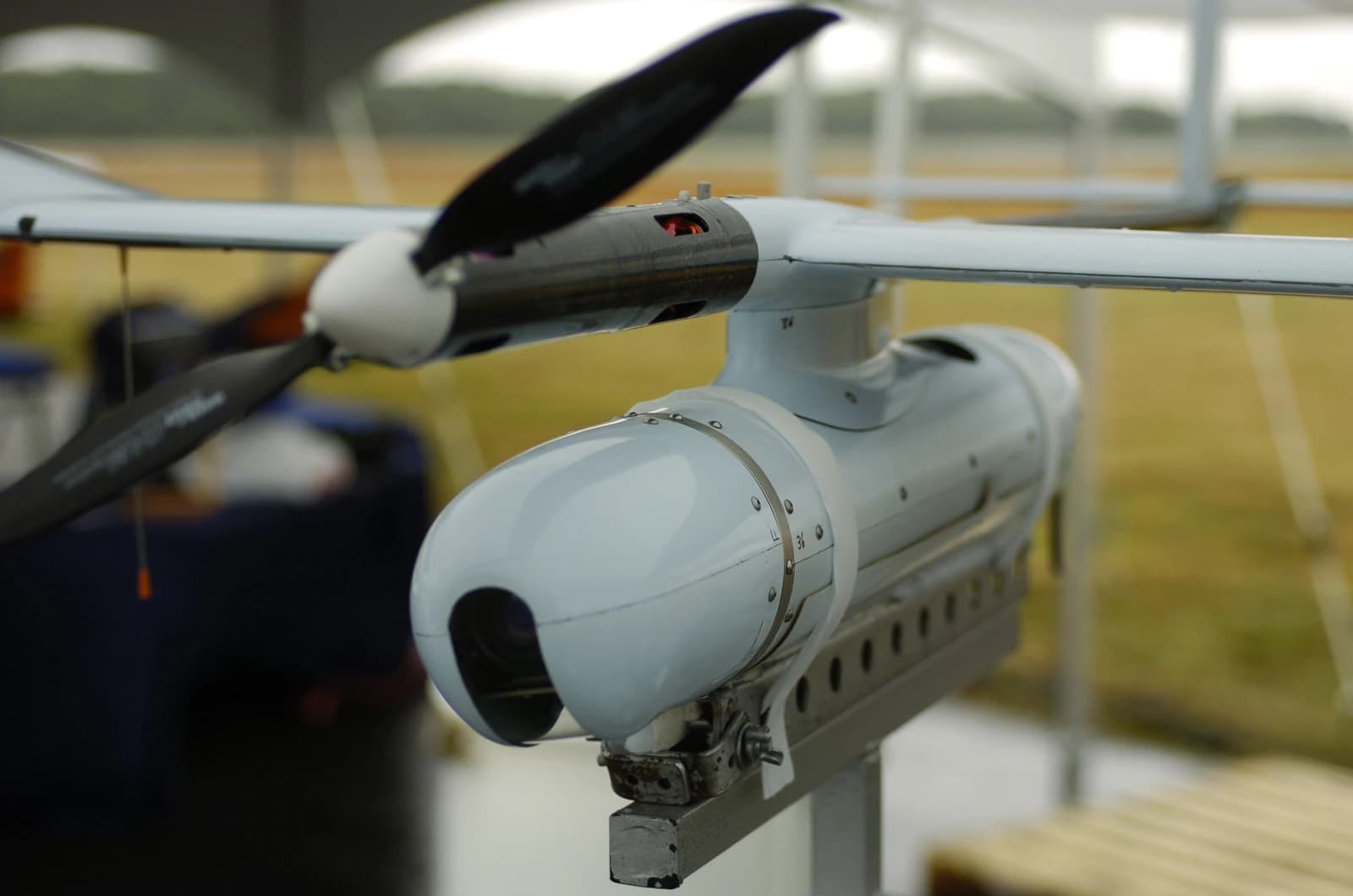
That matters because the €3 billion Achilles Shield package with Israel is not just another procurement. It is Greece’s clearest move yet to turn defense from a budget item into a strategic industrial and geopolitical asset, with about 25% of the system set to be produced in Greece. In a region where deterrence is becoming a capital-intensive business, local production is as important as hardware. It creates domestic jobs, embeds technology transfer and makes future upgrades stickier for suppliers.
For investors, the message is that Mediterranean security is no longer a one-off headline risk — it is a multi-year spending cycle. The winners are the primes and subcontractors positioned around integrated air and missile defense, sensors, command-and-control systems and local assembly. Lockheed Martin, Northrop Grumman and RTX remain the most obvious public-market beneficiaries from the broader rearmament trend, even if each captures the cycle through different channels. Lockheed’s F-35 program stays central to the Turkey-Greece balance, Northrop’s command-and-control and missile-defense exposure fits the “layered shield” theme, and RTX remains levered to the kind of air-defense demand that follows from regional escalation.
The stock tape shows how quickly that theme can matter. RTX has climbed from below $170 in late April to just over $200 in early September, while Northrop fell back to about $515 after trading near $762 in March. Lockheed, meanwhile, has retreated to the low $520s after trading above $600 in August and above $670 earlier this year. Conventional technical indicators show all three have cooled from earlier overbought conditions, with RSI readings in the low 20s to low 30s for NOC and RTX and the mid-20s for LMT, suggesting the sector has reset even as the strategic case remains intact.
The market underestimates how much this kind of deal can reshape defense procurement over time. Israel’s role in the project also reinforces a wider Eastern Mediterranean security axis at a moment when Athens is trying to broaden its leverage beyond its dispute with Ankara. Mitsotakis’ comments on Saudi Arabia matter for the same reason: the Gulf is still a crucial source of geopolitical alignment, capital and defense demand, and Athens wants to be seen as a reliable partner, not just a frontline state.
The wildcard is Turkey’s F-35 path. Mitsotakis stopped short of telling Washington whom to sell to, but his point was clear: there are real barriers, and Greece intends to keep that leverage alive. Any Turkish breakthrough would be a major market event for U.S. defense contractors and for regional deterrence dynamics. Any continued delay, by contrast, preserves Greece’s advantage and supports further spending on asymmetric defenses.
For investors, the opportunity is not to chase the next headline spike, but to position for the long tail of an escalating defense cycle. The best way to play it is through the toll roads of rearmament — the companies that sell the sensors, systems integration and missile-defense layers that every anxious government now wants. In this market, Achilles Shield is less a slogan than a roadmap.
| Entity | Gains | Losses |
|---|---|---|
| Greece | ▲stronger deterrence | ▼higher defense outlays |
| Israel defense industry | ▲€3 billion contract | ▼dependency criticism risk |
| Lockheed Martin | ▲F-35 leverage | ▼Turkish competition risk |
| Turkey | ▲possible F-35 access | ▼Greek strategic pressure |