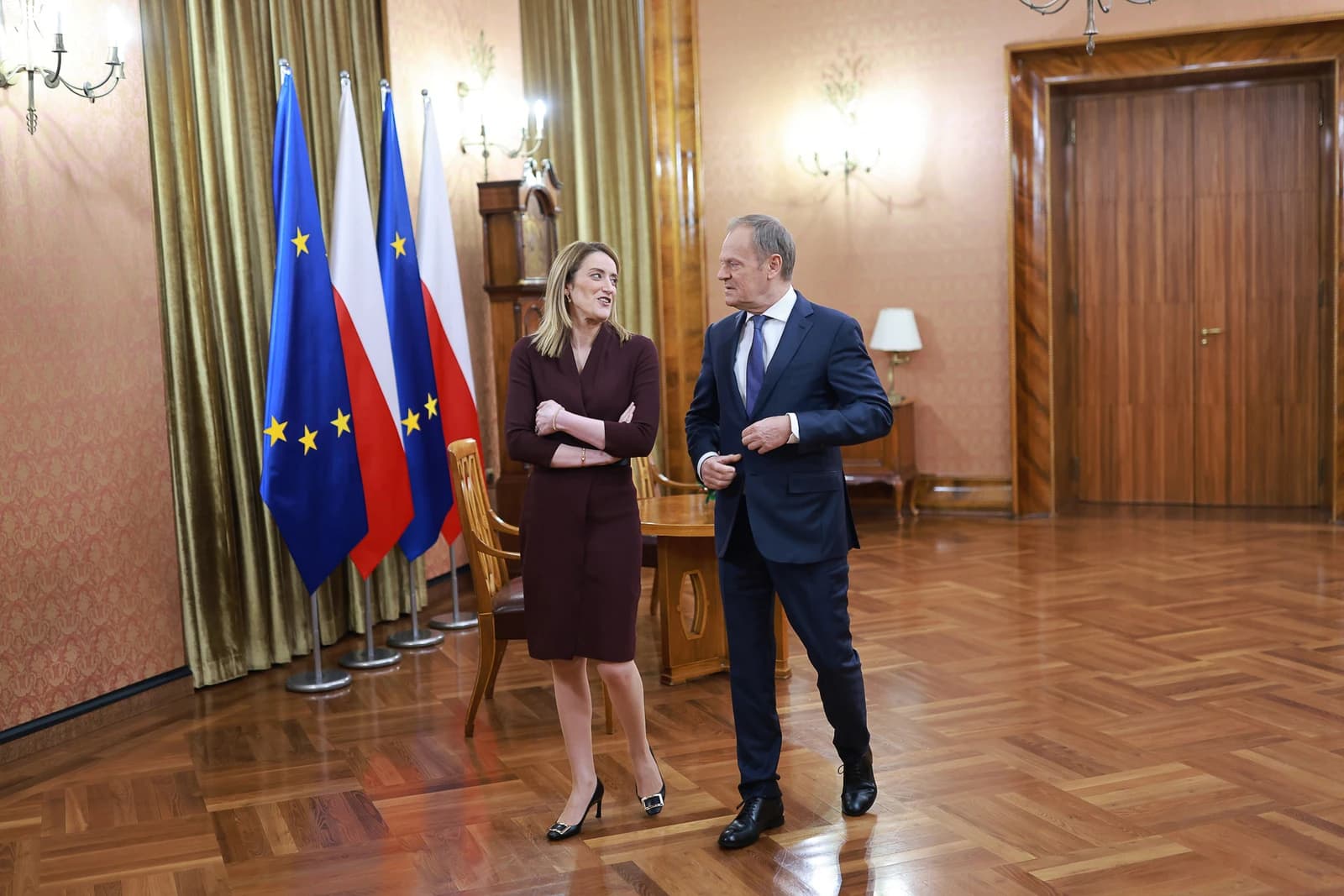
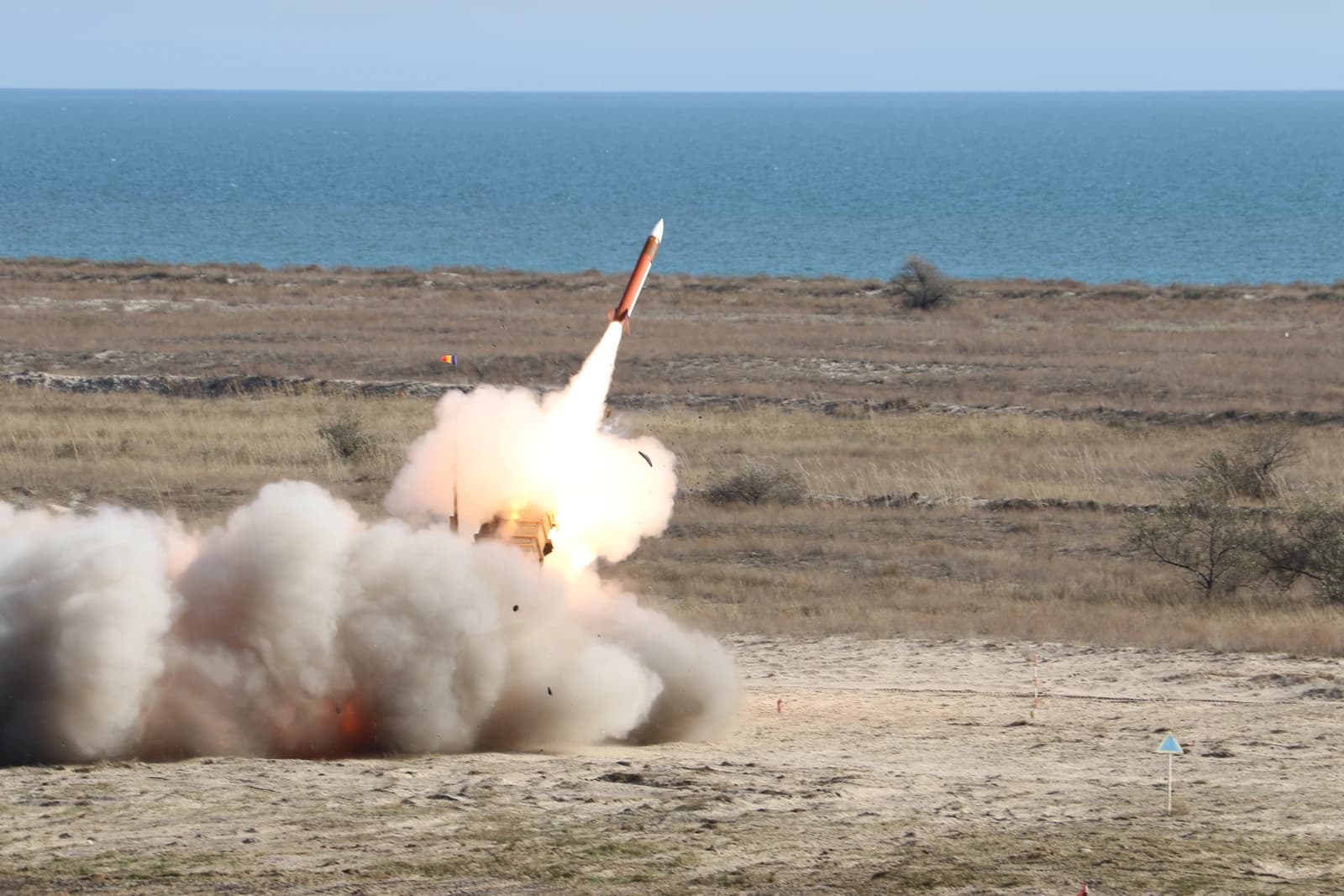
Poland’s Donald Tusk says Russian plans may include drone and missile attacks on countries backing Ukraine, raising the risk of a direct incident inside NATO territory and sharpening investor focus on European defense and security stocks.
Poland Warns of Russian Drone and Missile Threats

Speaking in parliament, Tusk cited intelligence assessments and said the most likely scenario over the next few months involves “serious events,” with the threat running through late autumn and winter into early spring. He said Russia could seek to test NATO’s readiness for Article 5 by claiming any violation was accidental.
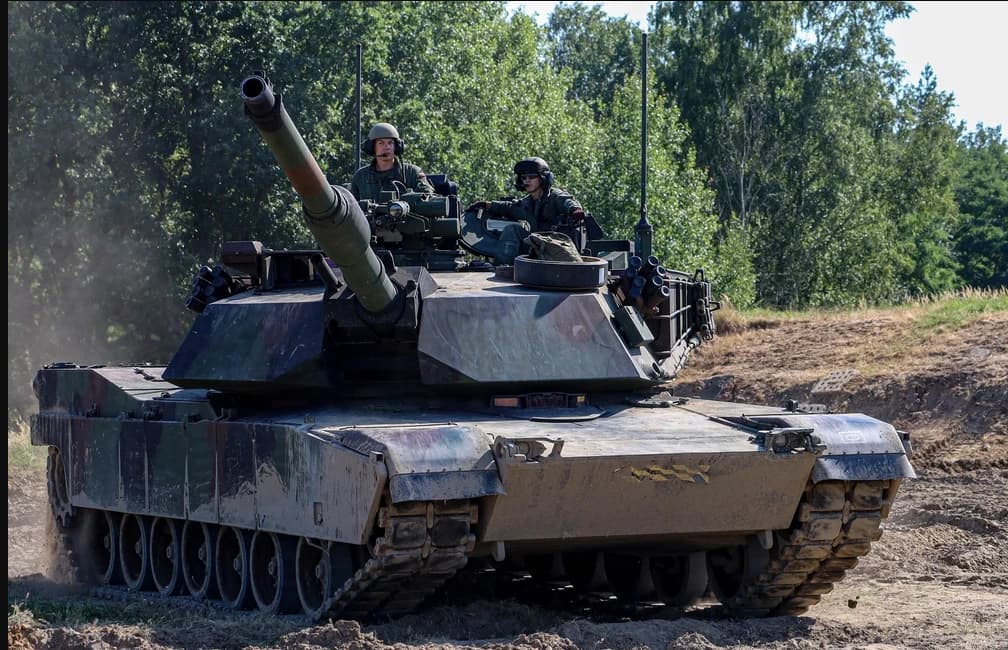
The warning comes after Russian drones have repeatedly exploded near Poland’s border, underscoring how the war in Ukraine is bleeding closer to alliance territory. For markets, the issue is not only geopolitical risk but also the prospect of sustained higher defense spending across Europe, as governments move to harden air defenses, surveillance and border security.
Shares in U.S. defense contractors have already reflected that backdrop. Northrop Grumman rose to $527.39 on Sept. 18, though that was still well below its $596.22 200-day moving average, while RTX closed at $194.00 after a sharp pullback from its August high of $225.49. Lockheed Martin ended at $533.38, also below its 50-day moving average of $553.96, suggesting investors remain alert to headline risk even after a strong run in the sector.
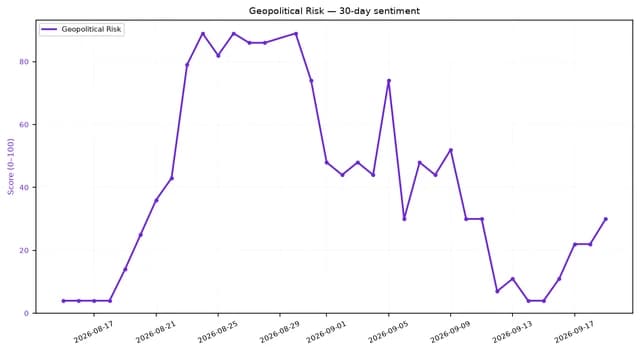
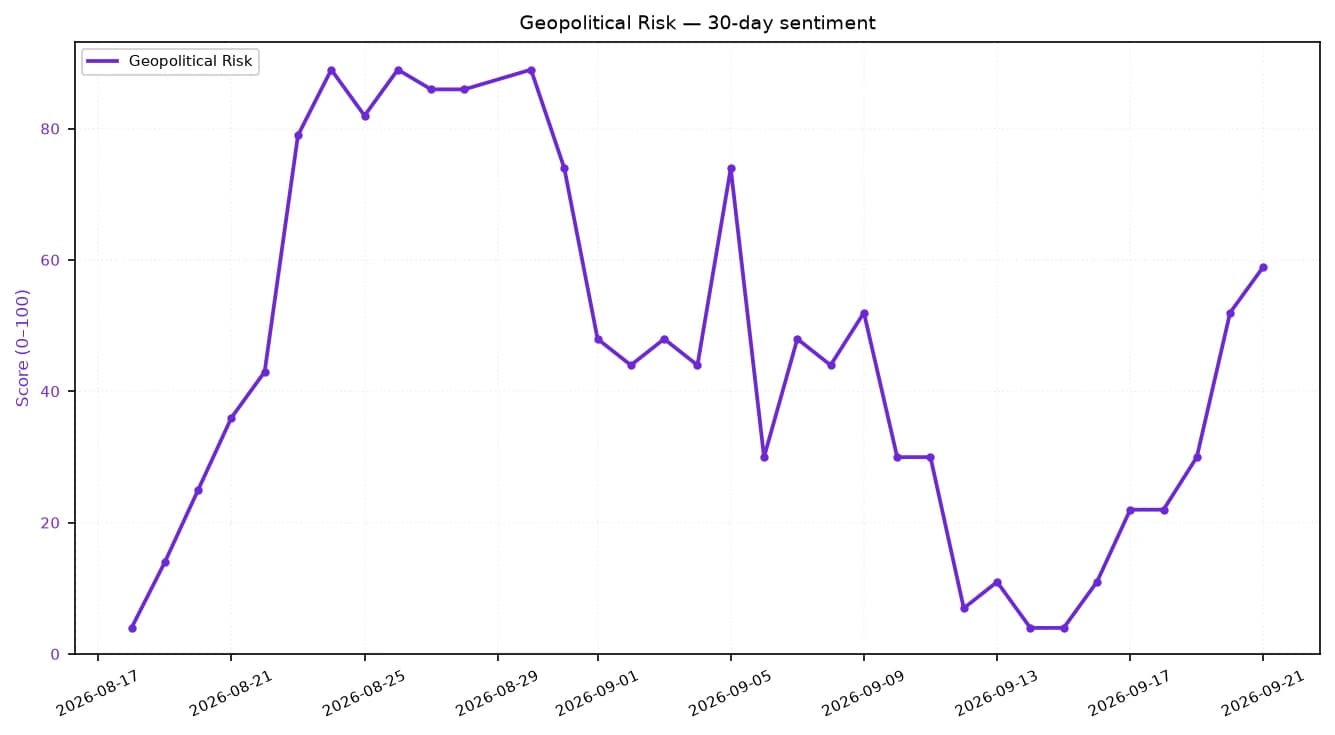
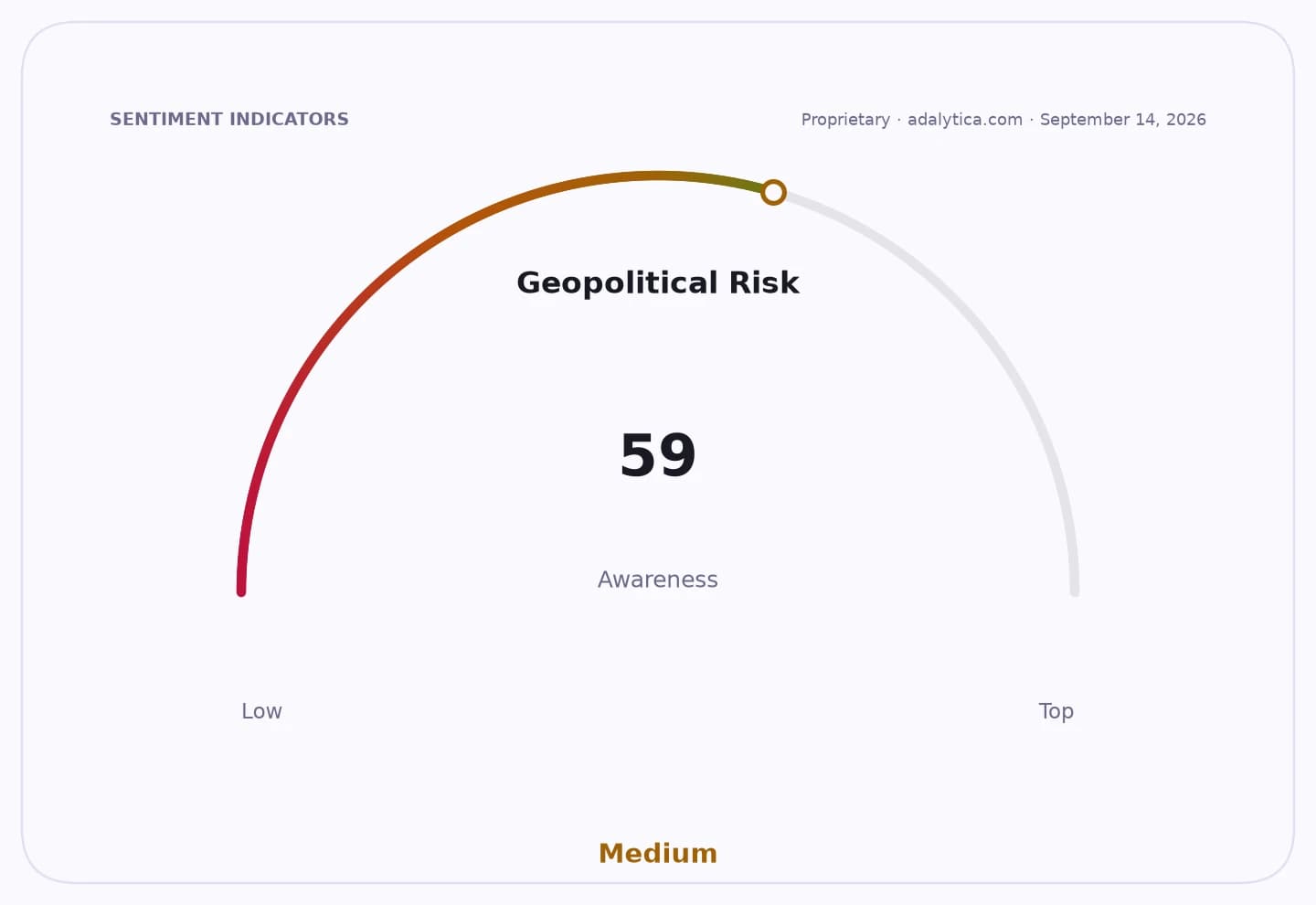
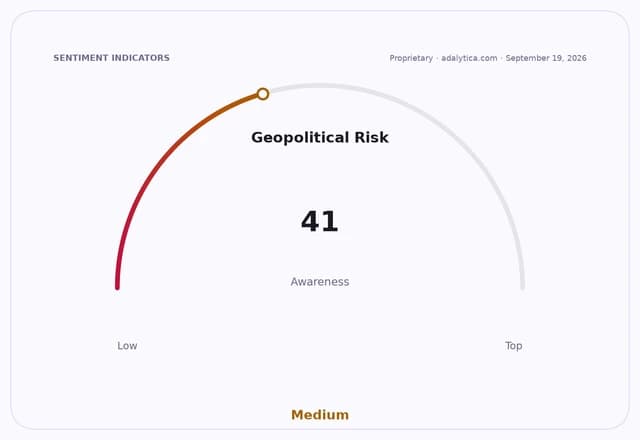
Adalytica’s Global Stability Sentiment gauge remains in Fear at 30, with awareness neutral at 41, and has dropped 24 points over the past 30 days, reflecting a market environment still sensitive to escalation risk. Any fresh strike near NATO borders would likely fuel demand for air-defense systems, munitions and surveillance capabilities, while keeping pressure on European equities exposed to regional security shocks.
The next catalyst is whether NATO and Poland announce additional force-posture or air-defense measures, and whether Russia’s late-year offensive intensifies along the border region.
| Entity | Gains | Losses |
|---|---|---|
| Defense contractors | ▲Higher demand for air defenses | ▼Risk of valuation volatility |
| NATO eastern members | ▲More security support | ▼Higher security exposure |
| Russia | ▲Pressure on NATO cohesion | ▼Greater sanctions and deterrence |
| Ukraine supporters | ▲Stronger alliance backing | ▼Rising escalation risk |