Greece’s economy chamber is calling for a rewrite of the Partial Employment Law, saying the measure has not delivered the intended labor-market relief and now needs reform to match a tighter jobs environment.
Greece Eyes Labor Rule Overhaul

That matters because labor rules are increasingly shaping hiring, wage pressure and industrial stability at a time when Greece is still working through a shortage of workers in key sectors. For companies, especially those reliant on staffing flexibility, a more predictable framework could ease recruitment and reduce strike risk; for workers and unions, the same changes may be seen as weakening protections if they tilt too far toward employers.
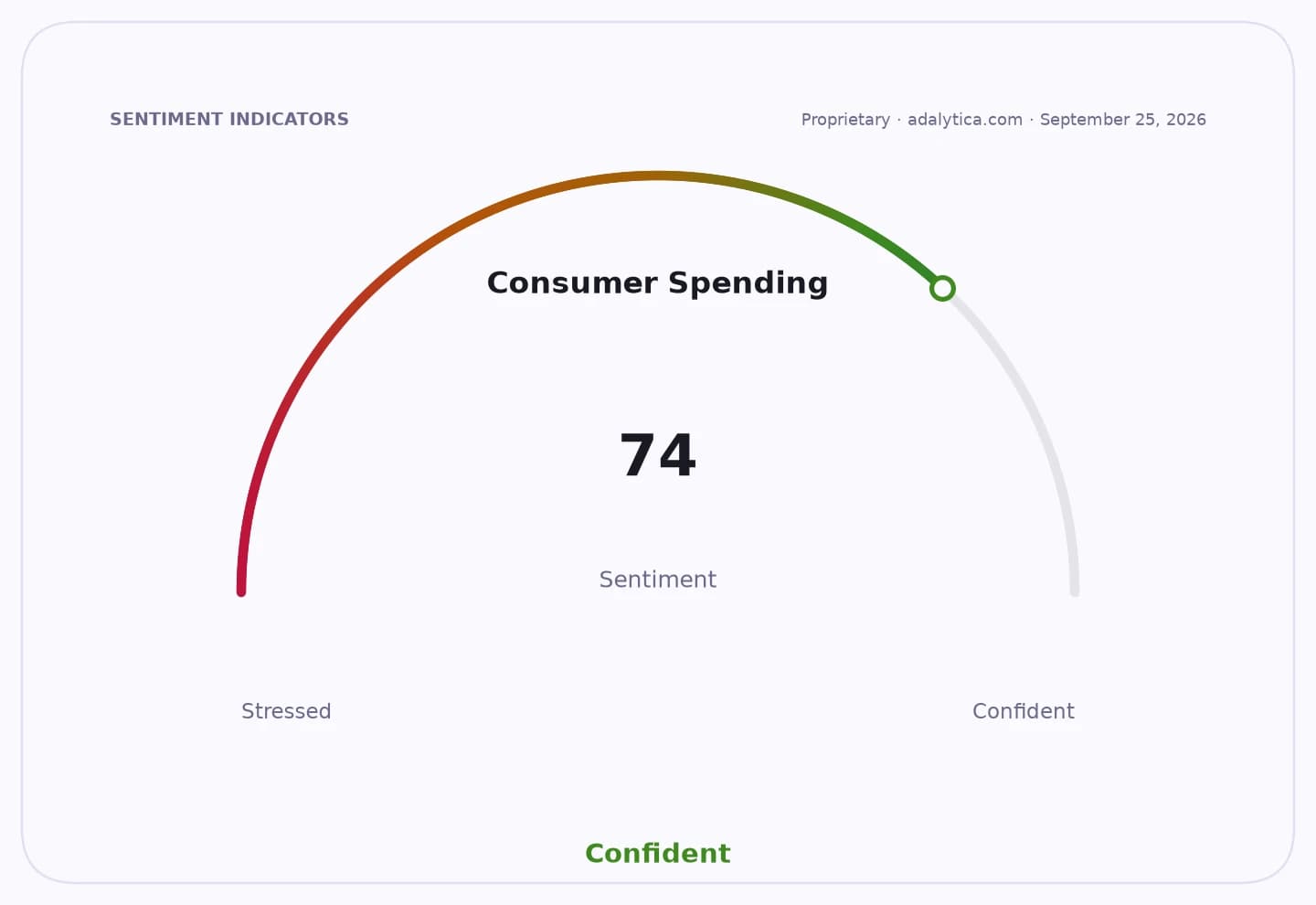
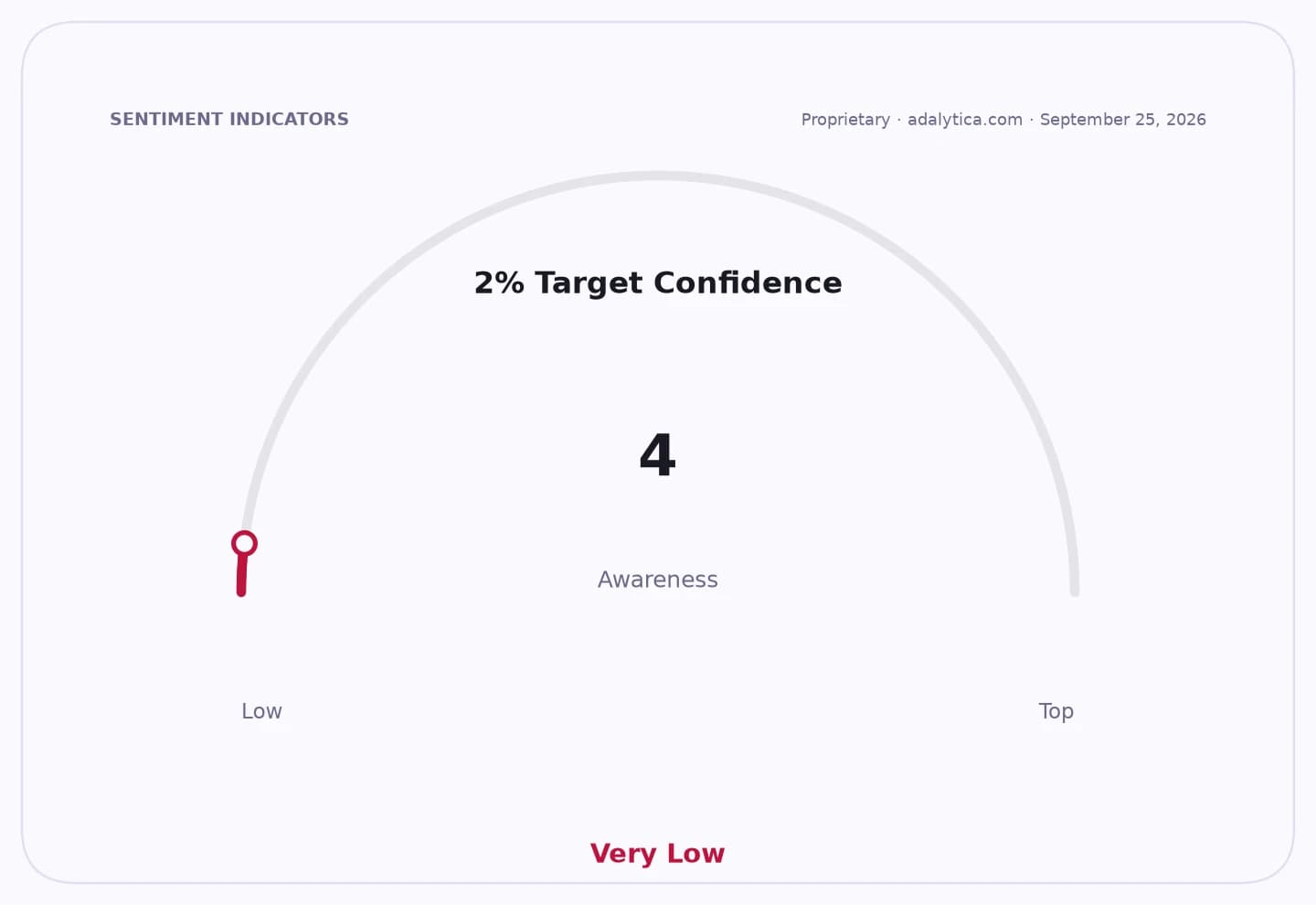
Sentiment IndicatorsⓘProprietary · adalytica.com · July 19, 2026
This is a snapshot — live sentiment, awareness and momentum for 130+ markets update continuously in the dashboard.Open AlphaPulse
The push comes as the Greek government moves to bar imposed arbitrations in labor disputes, a significant shift in how conflicts are settled. Officials are also revising the Labor Code, with the aim of relaxing some employer requirements while still trying to support wage gains and broader economic growth.
The backdrop is a labor market under strain. Greece has been dealing with shortages in critical parts of the economy, while disputes over layoffs, salary freezes and working conditions have kept pressure on policymakers to find a compromise that avoids further disruption.
Investors will watch whether the reform effort improves operating visibility for employers and helps sustain employment gains, or whether it deepens friction with labor groups and prolongs uncertainty. The next test is how quickly the Labor Code revisions move through talks and whether the government can produce a settlement that calms the market without triggering a new round of strikes.
| Entity | Gains | Losses |
|---|---|---|
| Employers | ▲More hiring flexibility | ▼Fewer labor constraints |
| Workers/unions | ▲Stronger bargaining position | ▼Less protection from easing rules |
| Greek government | ▲Reform credibility | ▼Political risk from backlash |
| Economy chamber/CCIT | ▲Policy change | ▼Status quo on partial employment |