Greece is moving to widen the list of businesses that can legally operate on Sundays, a change aimed at keeping industrial activity continuous, preserving competitiveness and shielding workers in sectors that cannot easily stop and restart production.
Greece Expands Sunday Work for Industry

The proposal matters because it shifts Sunday work from an exception to a more flexible operating model for parts of the economy that depend on uninterrupted output. In the explanatory memorandum, the government says continuous operation of specific industrial activities supports business competitiveness while also protecting workers, signaling a balancing act between labour rules and the demands of modern supply chains.
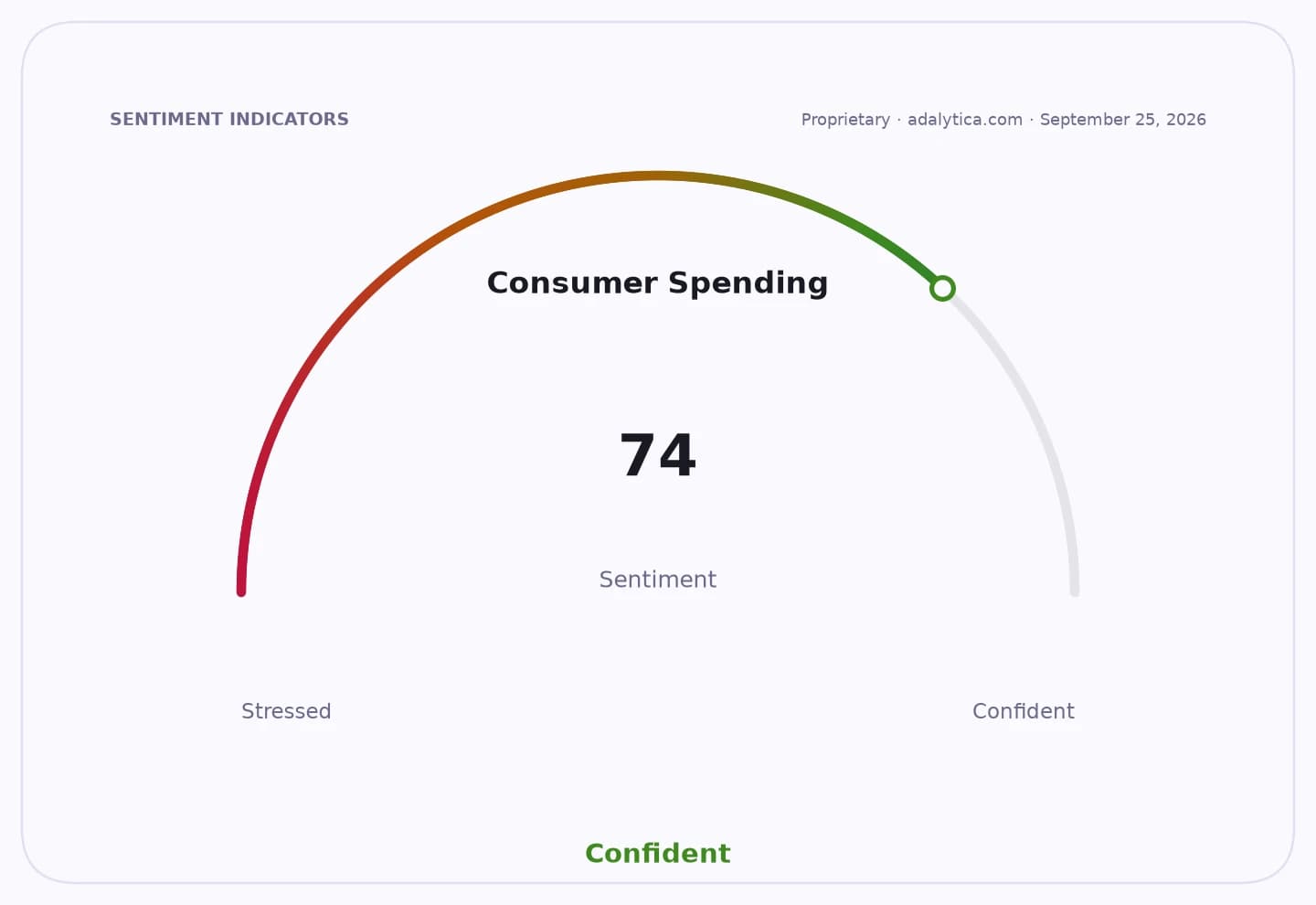
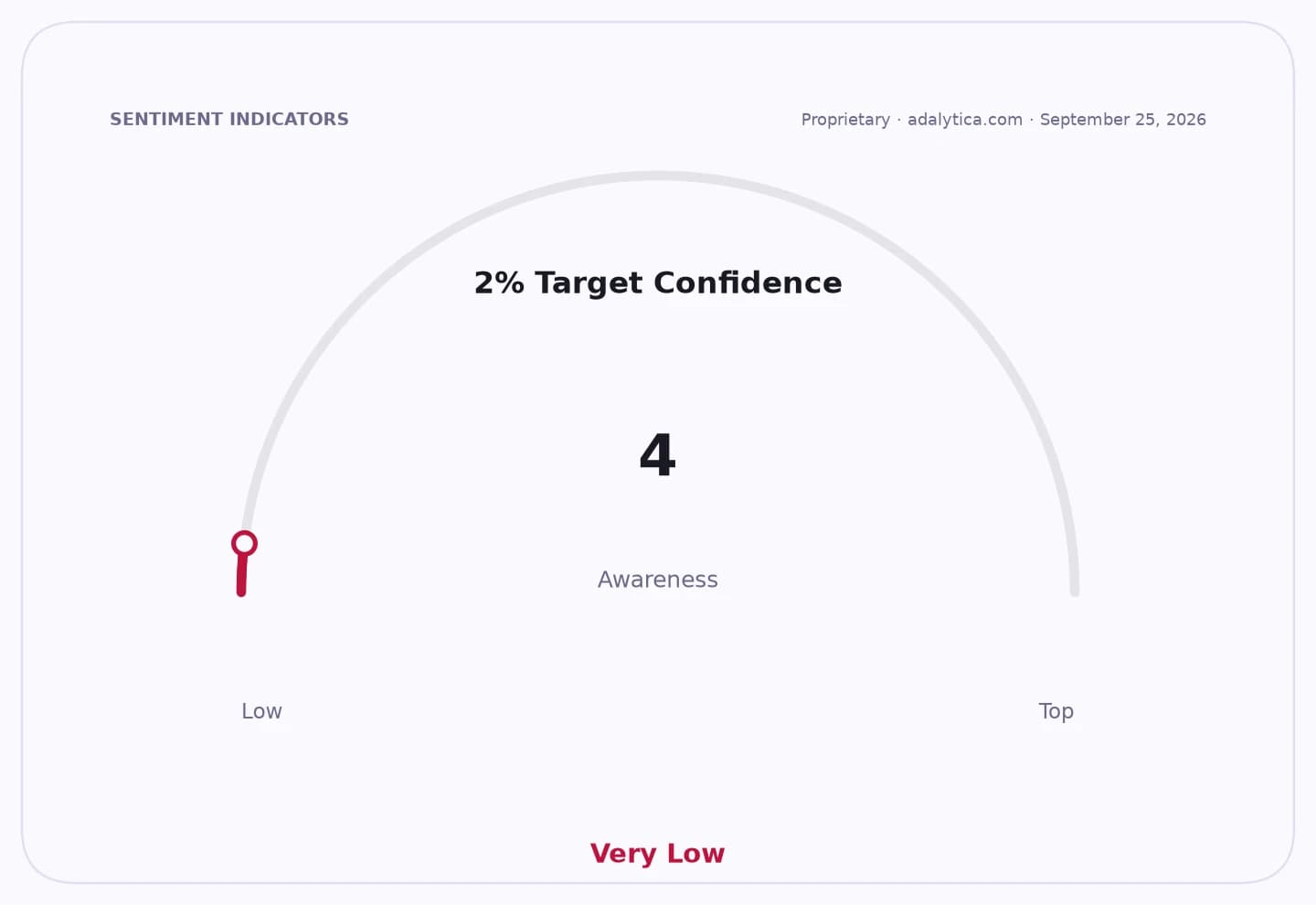
Sentiment IndicatorsⓘProprietary · adalytica.com · July 20, 2026
This is a snapshot — live sentiment, awareness and momentum for 130+ markets update continuously in the dashboard.Open AlphaPulse
For investors, the key issue is whether the measure reduces downtime, improves asset utilization and lowers the friction costs that come with weekly shutdowns. Manufacturers, logistics operators and other round-the-clock businesses tend to benefit when production schedules can match demand more closely, while firms with rigid operating limits may face higher labour and compliance costs if they need to add weekend shifts.
The timing also fits a broader economic backdrop that remains mixed but resilient. Greece’s labour market has been holding near 4.2% unemployment, with the rate forecast at 4.18% in July, while industrial production has continued to edge higher, pointing to a modestly improving manufacturing base. That combination gives policymakers more room to support output without immediately tightening an already fragile jobs picture.
The move comes as investors stay wary of growth risks more broadly, with conventional market indicators pointing to heightened caution across equities. Still, for domestically exposed businesses, any policy that increases operating flexibility can be positive if it supports margins, output and order fulfillment without triggering a labour backlash.
How far the change goes — and which industries are added to the Sunday list — will determine the eventual market impact. Traders and company executives will be watching for the final text, implementation details and any signs that the government is trying to extend the model further across manufacturing and other continuous-process sectors.
| Entity | Gains | Losses |
|---|---|---|
| Industrial firms | ▲Higher uptime, better competitiveness | ▼More weekend labour costs |
| Workers in continuous operations | ▲More formal protections | ▼Fewer fixed rest-day limits |
| Exporters/manufacturers | ▲Smoother production schedules | ▼Compliance and scheduling burden |
| Small non-exempt retailers | ▲Little direct benefit | ▼Potential uneven competition |