Unpaid communal charges on Greek apartments usually stay with the seller after a property is sold, but the debt can still become an investor-level issue because it can drain a building’s finances, trigger legal action and force new owners into higher future contributions.
Greek apartment dues stay with seller, buyers face risk
The basic rule matters because it determines who carries the loss when a flat changes hands. In most cases, arrears built up before transfer do not automatically follow the apartment, even if the previous owner owes as much as 4,000 euros. That leaves the building association chasing the former owner, which can be difficult if the seller has moved abroad, bought as an investment under programs such as Golden Visa or no longer holds assets in Greece.
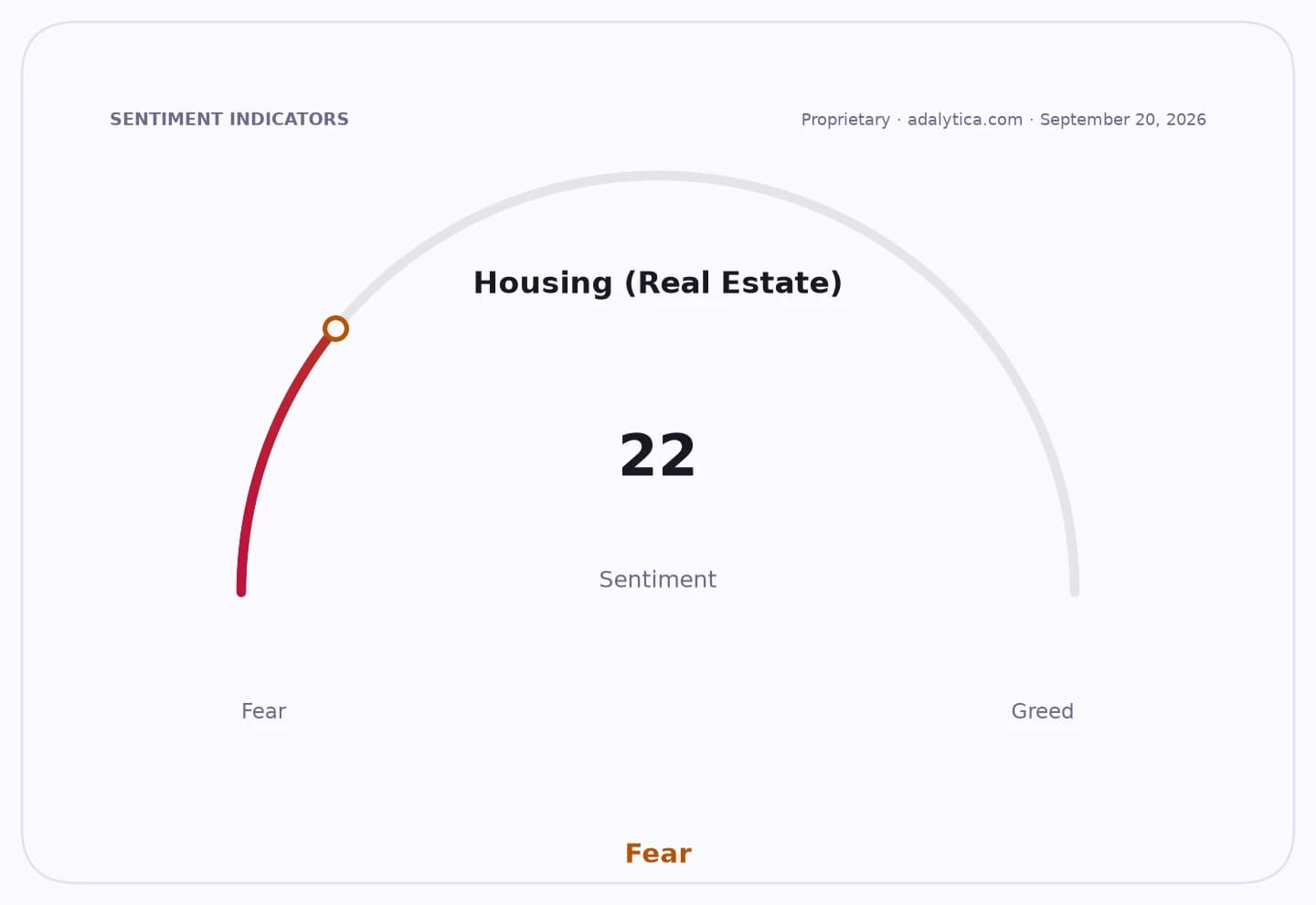
Sentiment IndicatorsⓘProprietary · adalytica.com · September 19, 2026
This is a snapshot — live sentiment, awareness and momentum for 130+ markets update continuously in the dashboard.Open AlphaPulse
For apartment blocks, the economics are straightforward: unpaid common charges for heating, cleaning, power, maintenance and repairs do not disappear when a unit is sold. If collections fail, the burden shifts to the rest of the co-owners, who may have to cover the shortfall to keep the building running. That makes arrears a form of hidden contingent liability for the whole property, even if the legal claim remains with the seller.
The issue is why lenders, buyers and property managers should care. A building with weak collections and little reserve cash can quickly require special assessments, which erodes the appeal of the unit and can hit resale values. In a market where housing affordability remains a pressure point and buyers are increasingly cautious about operating costs, a delinquent apartment block is less a one-off nuisance than a sign of structural cash-flow stress.
There are ways for associations to protect themselves, but they require speed. Greek law and the guidance cited by the Panhellenic Federation of Property Owners, or POMIDA, allow the management to pursue payment orders, register encumbrances or move to seize the property while the seller still owns it. A timely legal move can prevent a transfer from closing cleanly. Once the sale is completed, recovery becomes more cumbersome if the former owner has few reachable assets.
That is why the debate is shifting from after-the-fact collection to pre-sale verification. POMIDA has proposed mandatory checks on communal dues before every horizontal property transfer, including a certificate from the manager that there are no outstanding charges or, if no manager exists, a sworn declaration from the seller before the notary. Today, taxes and planning documents are checked before a sale, but communal debts are not generally a legal prerequisite.
For buyers, the message is not that they inherit old bills, but that they inherit the financial condition of the building. A careful review of the condominium rules, ownership deed, recent general assembly minutes, reserve funds and any major planned repairs is now as important as checking the title deed. Even if the buyer is shielded from prior arrears, they may still face fresh levies from day one if the building’s cash position is weak.
The longer-term implication is that Greek apartment transactions may eventually need a more formal due-diligence framework around utility and common-area debts. Until then, the winner is the buyer who checks the building’s finances early and the loser is the association that waits too long to collect.
| Entity | Gains | Losses |
|---|---|---|
| Buyers | ▲Avoid inherited arrears | ▼Face future special assessments |
| Sellers with unpaid dues | ▲Complete sale without automatic transfer | ▼Still owe the building association |
| Building associations | ▲Better if they act before closing | ▼Lose leverage after transfer |
| Well-funded co-owners | ▲Preserved building liquidity | ▼Forced to cover delinquent neighbors |