Grocery Outlet’s plan to move into a shuttered Walgreens in Oakland shows how hard discount grocers are leaning into opportunistic real estate deals as consumers trade down and vacancy opens a path into dense, high-traffic neighborhoods.
Grocery Outlet to Open in Former Oakland Walgreens
The move matters because it is exactly the kind of low-capital, high-flexibility expansion that can matter most in a slower-growth retail environment. Instead of building from scratch, Grocery Outlet is taking over an existing drugstore box, shortening the timeline to revenue and lowering the upfront cost of entry into a city where storefront turnover has become a feature of the post-pandemic landscape. For a retailer built around bargain hunting and neighborhood convenience, a vacant Walgreens is not just a lease opportunity — it is a ready-made address in a market where food access, price sensitivity and foot traffic all matter.
Sentiment IndicatorsⓘProprietary · adalytica.com · October 18, 2026
This is a snapshot — live sentiment, awareness and momentum for 130+ markets update continuously in the dashboard.Open AlphaPulse
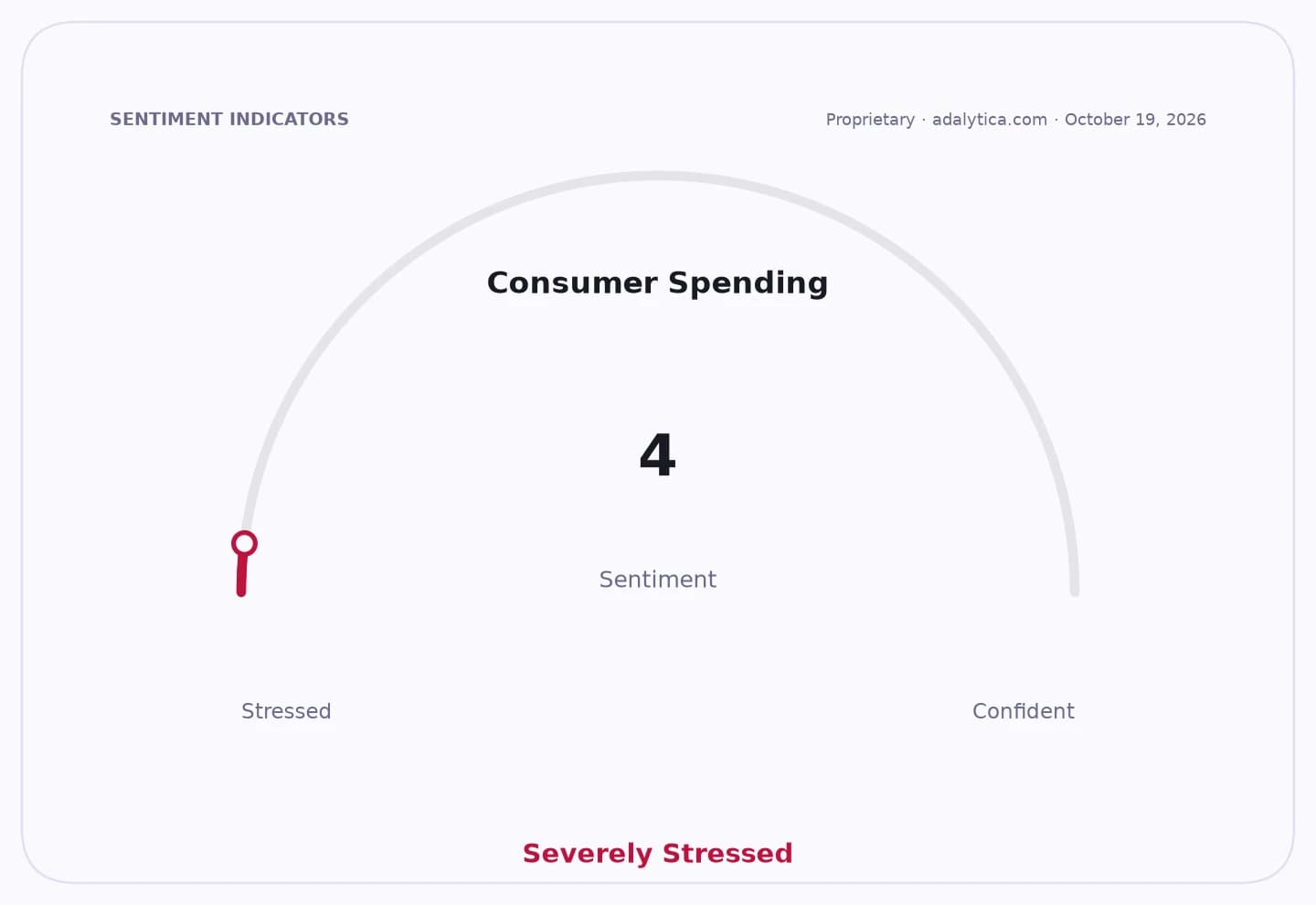
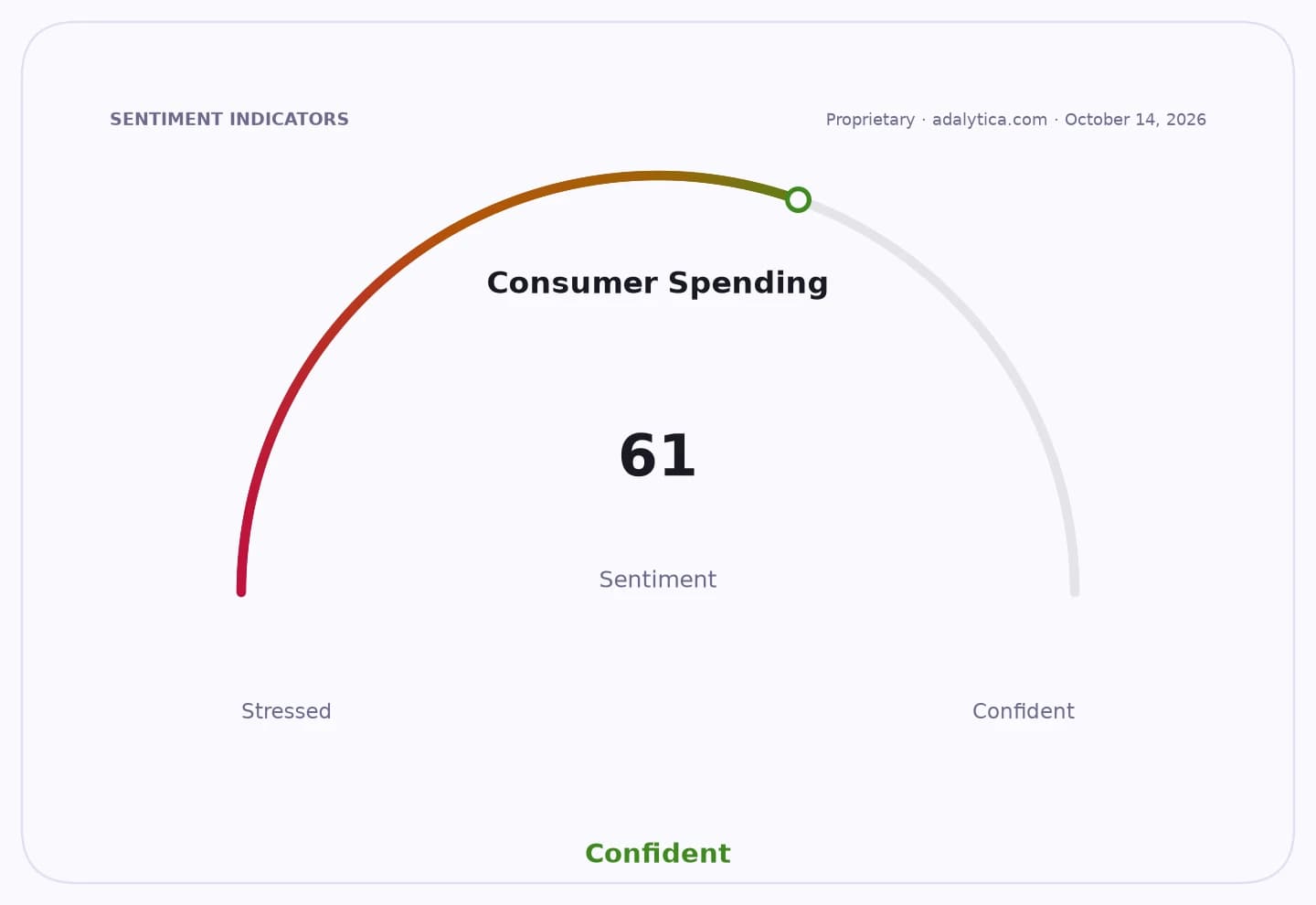
That fits a broader consumer backdrop that still favors value. Adalytica’s consumer spending sentiment snapshot shows fear at 18, underscoring the pressure on households to stretch budgets. In that kind of environment, discount banners tend to gain share while premium and convenience formats have to work harder for every basket. Grocery Outlet’s model, which relies on close-in locations and a steady hunt for excess inventory and closeout goods, is designed for exactly this sort of downshift in spending behavior.
The company has already signaled that expansion is a priority. In its latest filing, Grocery Outlet said it had 547 stores as of early July and planned to open 30 to 33 net new stores this year, while also pushing a more clustered model in new markets to improve supply-chain efficiency. Taking over existing retail boxes such as the Oakland Walgreens gives that strategy a cheaper, faster route. It also reduces the execution risk that comes with ground-up development at a time when retailers are watching costs closely.
For investors, the implication is that Grocery Outlet’s growth story does not depend only on same-store sales or a clean consumer rebound. It can also be driven by asset-light expansion into distressed or underused retail real estate, a theme that could keep unit growth alive even if macro conditions stay choppy. That is the kind of second-order advantage the market often underprices in grocery retail: more stores, faster payback and less capital tied up in development.
The trade-off is that success depends on whether the chain can turn these opportunistic sites into productive volumes. Urban expansion brings its own risks, from shrink and logistics to local operating costs. But with value retail still resonating and empty big-box space available in places where legacy chains are retreating, Grocery Outlet has a credible path to keep growing while others are retrenching. The market should view the Oakland deal as a template, not an isolated real estate transaction.
| Entity | Gains | Losses |
|---|---|---|
| Grocery Outlet | ▲Cheaper expansion | ▼Higher urban execution risk |
| Walgreens | ▲Capital exit | ▼Lost neighborhood presence |
| Consumers | ▲More discount options | ▼Fewer drugstore formats |
| Landlords | ▲Re-tenanted box | ▼Vacancy pressure eases slowly |