U.S. grocery unit sales were nearly flat in September, a sign that households are still stretching budgets even as higher food prices keep pushing dollar sales higher.
U.S. grocery unit sales flat as prices rise
That matters because groceries are one of the clearest real-time reads on the consumer. When units stall but revenue still rises, retailers are not getting true volume growth — they are leaning on pricing, mix and a few resilient categories to protect sales. Circana and 210 Analytics said retail food and beverage unit sales fell just 0.1% in the four weeks ended Sept. 27, while dollar sales rose 2.1% to $73.7 billion.
The bigger takeaway for investors is that shoppers are not simply spending less; they are shopping differently. Consumers are favoring frozen foods, meat and seafood, while fresh produce and bakery are under pressure. That mix shift tends to favor large grocers and warehouse clubs with strong private-label offerings, broad frozen assortments and the scale to absorb inflation without losing traffic.
Frozen foods stood out as the clearest winner. Unit sales rose 1% and dollar sales climbed 3% to $6.9 billion, marking the third straight month of year-over-year unit growth, according to 210 Analytics. Frozen fruit led the pack with unit sales up 10.7%, while frozen vegetables gained 4.6% and frozen potatoes and onion rings rose 3%.
Meat and seafood also held up better than the broader grocery basket. Total meat unit sales rose 1% to $8.7 billion, with fresh meat up 1.6% in units. Seafood posted gains across fresh, frozen and shelf-stable segments, including a 5.8% increase in fresh seafood sales and a 14.8% jump in shelf-stable seafood sales.
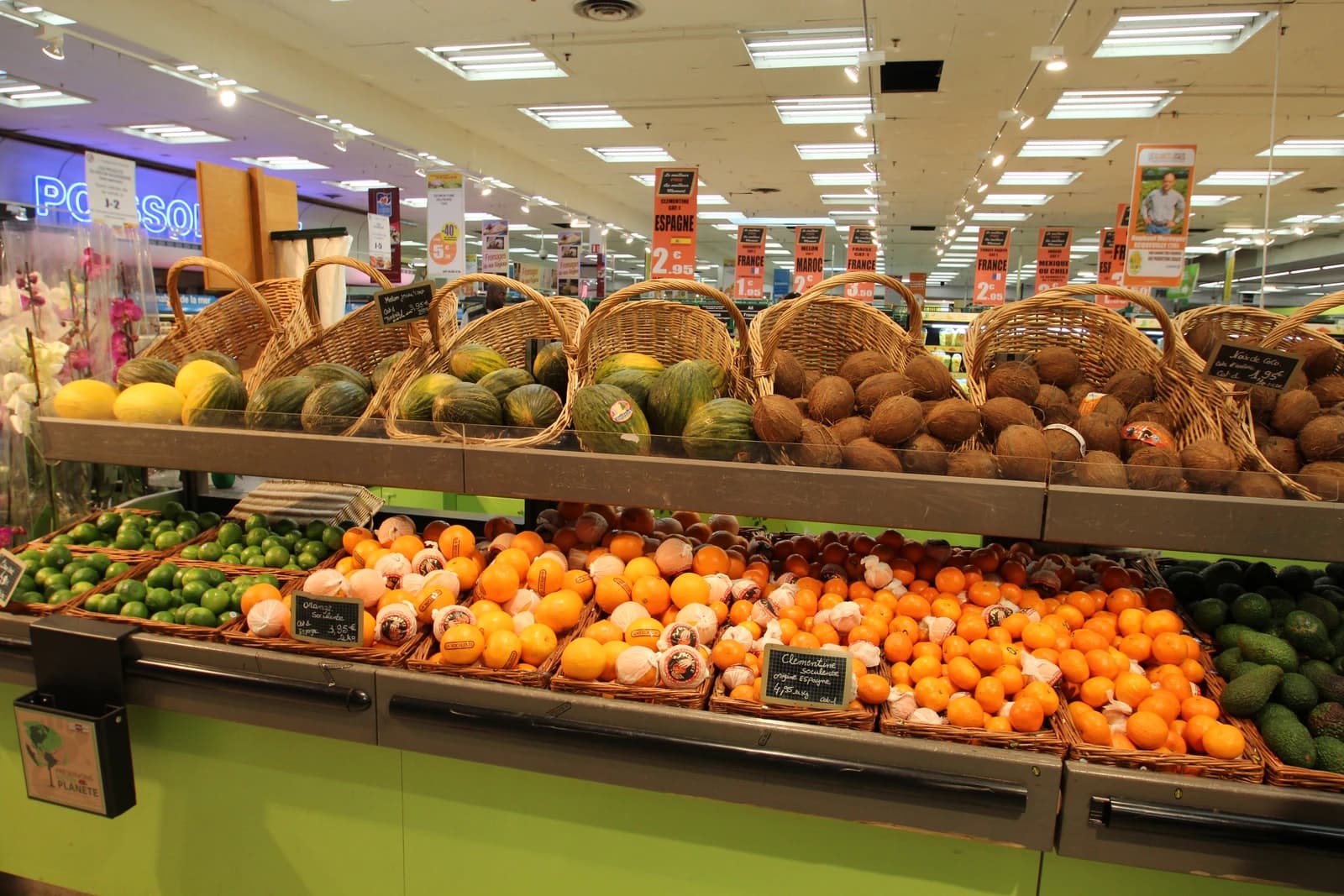
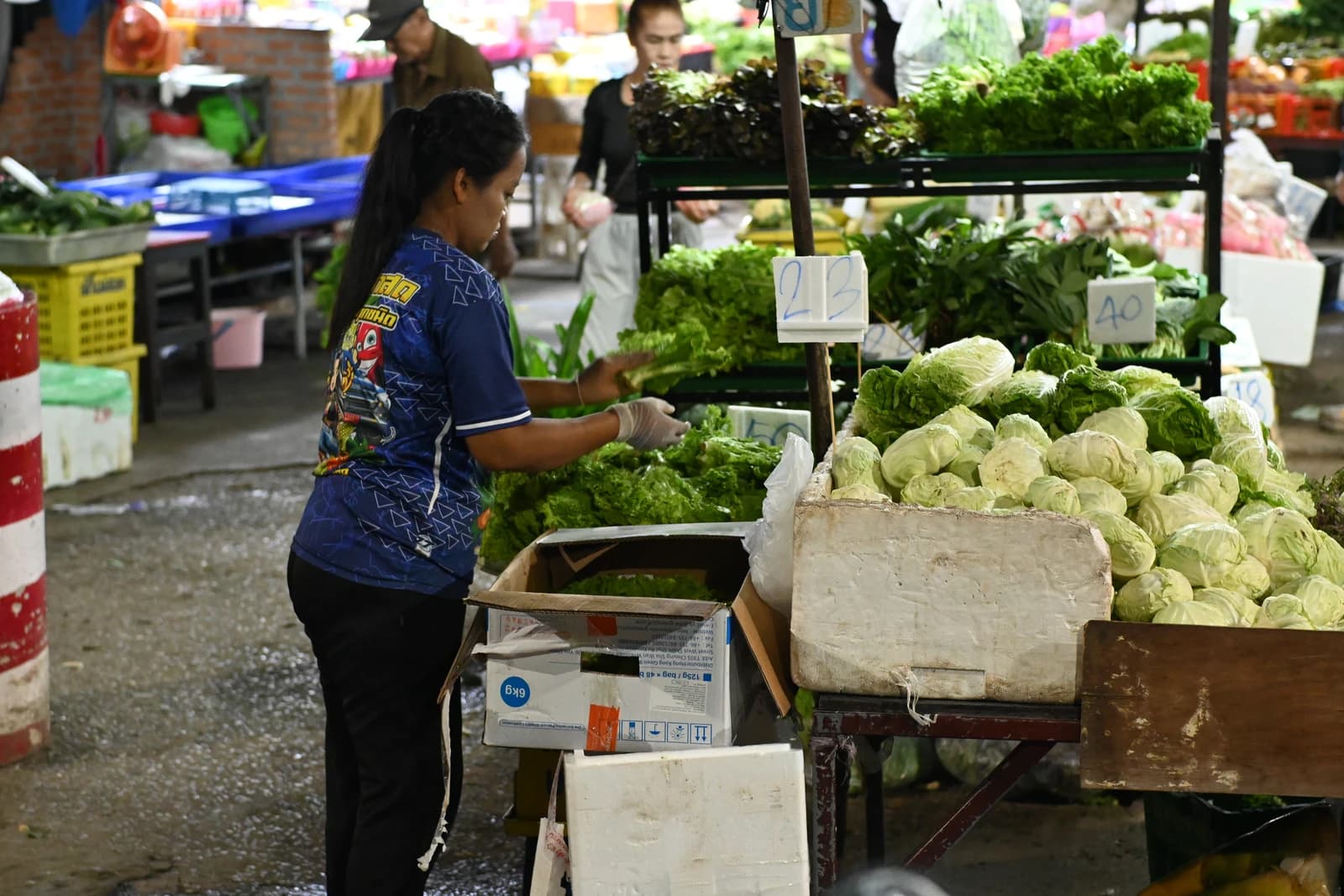
The weakness was concentrated in areas that depend more on fresh shopper confidence and less on pantry loading. Produce unit sales fell 3.2%, with salad and leafy greens down 16.4% as the effects of a cyclospora outbreak and recalls continued to ripple through shopping patterns. Bakery units dropped 2.4%, though that was an improvement from August’s 4.3% decline.
For long-term investors, this is exactly the kind of consumer landscape that rewards scale, supply-chain discipline and pricing power. Walmart, Kroger and Costco are better positioned than smaller players to steer shoppers toward lower-cost alternatives and defend margins when budgets are tight. The flip side is that food inflation can prop up sales dollars without delivering healthier underlying demand, which is a reminder to watch unit trends, not just revenue growth.
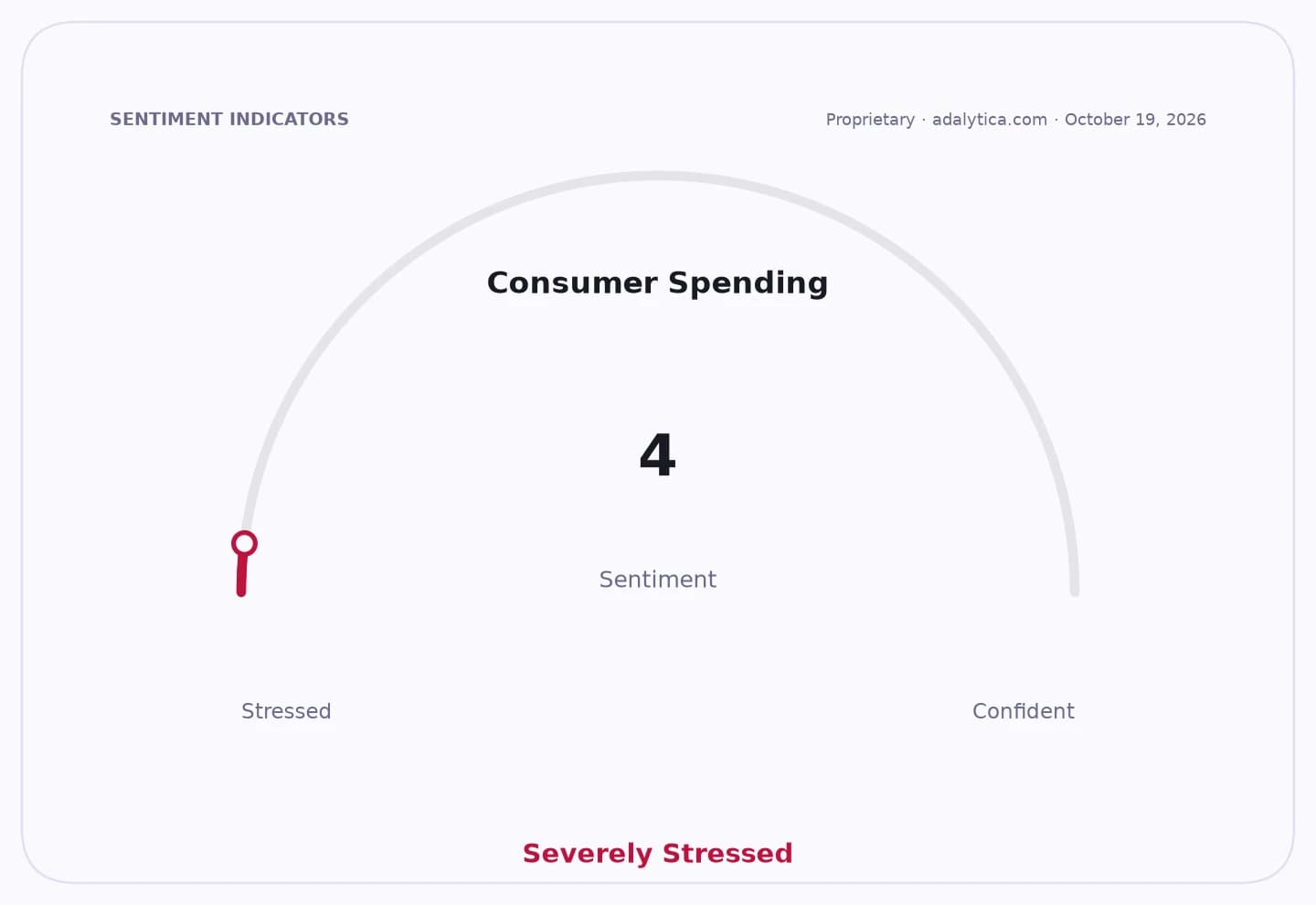
Adalytica’s consumer spending sentiment gauge underscored the caution, showing “extreme fear” in the latest snapshot. That doesn’t mean consumers have stopped spending, but it does suggest they are becoming more selective — and that selectivity is likely to persist if household budgets stay strained.
For investors, the lesson is simple: grocery remains a defensive business, but even defensives are changing. The winners are the chains and packaged-food suppliers that can capture trading-down behavior, grow share in frozen and prepared foods, and keep margins intact while shoppers keep hunting for value. This is a sector worth watching closely, and for patient investors, the strongest operators still look like reasonable long-term holdings.
| Entity | Gains | Losses |
|---|---|---|
| Frozen foods | ▲Higher unit demand | ▼Fresh-prep categories |
| Large grocers | ▲Trading-down traffic | ▼Smaller regional chains |
| Meat and seafood | ▲Resilient basket share | ▼Bakery and produce |
| Consumers | ▲More budget-friendly choices | ▼Variety of fresh options |