South Africans are buying groceries, bakery items and prepared meals at discounts of up to 60% through Cape Town startup Refreshi, as the food-recovery marketplace rapidly scales into a cheaper outlet for households and a new revenue stream for retailers.
Refreshi scales discount food recovery in South Africa
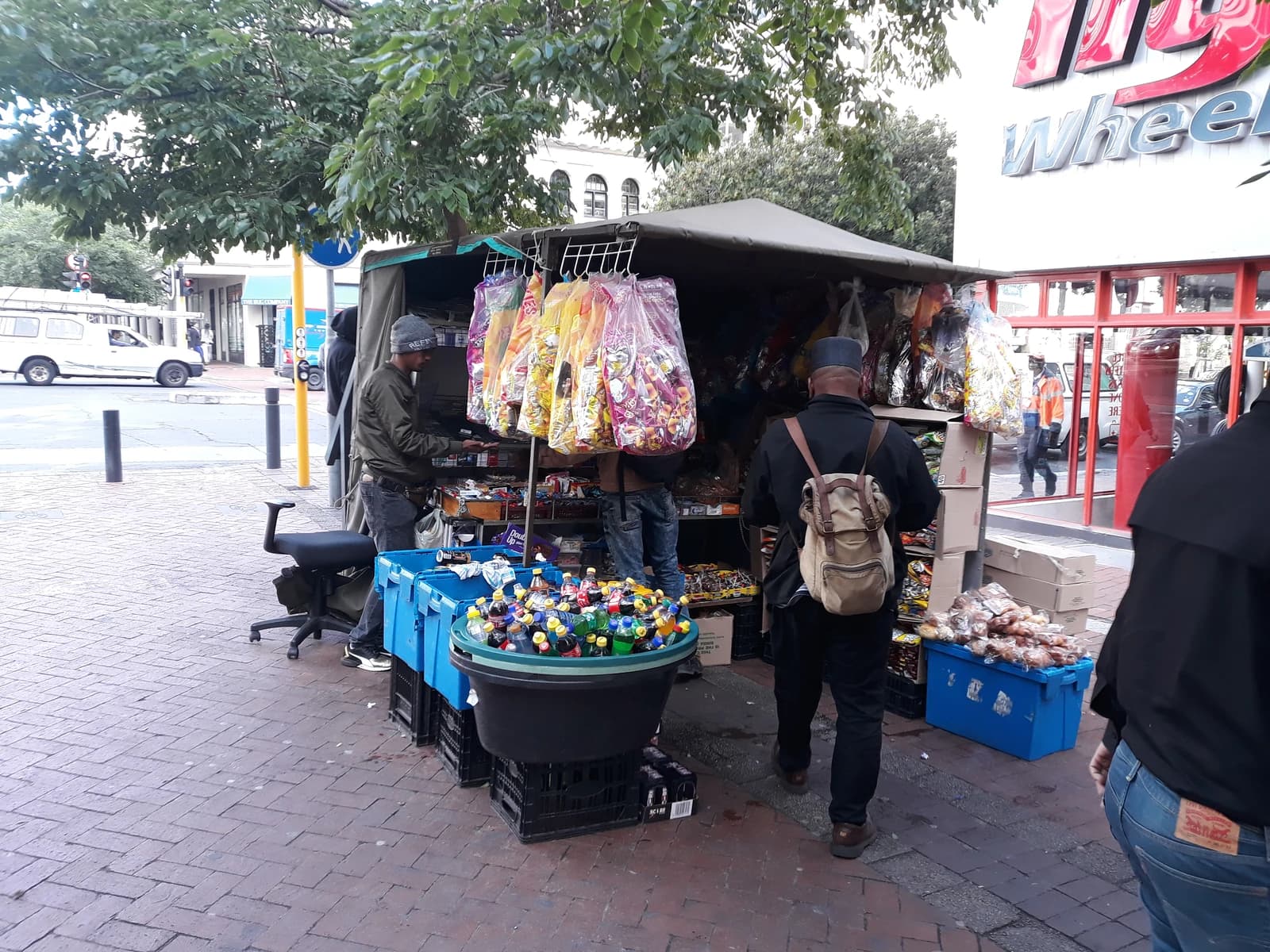
The platform, launched in March 2025, says it has already helped stores recover more than R15 million by selling surplus food that would otherwise be written off. That makes the business more than an environmental play: it is becoming a pressure valve for a consumer market where food inflation and weak spending power are squeezing demand, while merchants face rising losses from unsold stock.
Refreshi has expanded from 35 partner stores to more than 700 locations across four provinces, including outlets from SPAR, Bootlegger, Vida e Caffè, King Pie, Château Gâteaux, Vovo Telo, Ou Meul, Newmark Hotels and OK Mini Marts. It is now live in Cape Town, Johannesburg, Pretoria, Durban, Gqeberha, George and Mossel Bay.
The model is simple but economically meaningful. Customers reserve and pay through an app for “Surprise Bags” containing fresh surplus food at 50% to 60% below retail, then collect them during a designated window. For stores, that turns inventory that might have been discarded into cash. For shoppers, it offers cheaper meals and groceries at a time when affordability is a central concern.
Refreshi said it is adding 10 to 15 stores a week and is preventing more than 20,000 meals a month from going to landfill. CEO and founder Jakob Holbak said the business is proving that food waste can be monetized rather than treated purely as a cost. “R15 million paid back to stores shows that reducing food waste does not have to be a cost to business,” he said.
Research conducted with the Consumer Goods Council of South Africa underscores the model’s traction. Among 50 independently owned SPAR-format stores studied between April 2025 and July 2026, more than 23,200 Surprise Bags were sold, with monthly sales rising from 430 bags in June 2025 to 1,939 in June 2026. Stores offering bakery products alongside fruit and vegetables sold 77% more bags a month than those offering only one category, suggesting product mix is critical to demand.
The expansion matters for investors and retailers because it points to a scalable secondary-market channel for food waste, with potential to improve margins without cutting core prices. It also highlights how consumer weakness can drive adoption of discount-led platforms, especially where shoppers are willing to trade certainty for savings.
FoodForward SA said the partnership shows commercial food recovery can support hunger relief as well as waste reduction. Refreshi says it can also let retailers donate proceeds from recovered food, a detail that could broaden appeal with corporate sustainability teams and landlords looking for measurable waste diversion.
Holbak said the company expects to surpass 2,000 participating stores within the next year, setting up the next test of whether the model can move from fast-growing niche to a meaningful part of South Africa’s grocery ecosystem.
| Entity | Gains | Losses |
|---|---|---|
| Refreshi | ▲Faster store expansion | ▼Pressure to scale operations |
| Retailers | ▲Revenue from surplus stock | ▼Fewer write-offs |
| Shoppers | ▲50%-60% cheaper food | ▼No certainty on contents |
| Traditional grocers/cafés | ▲Higher foot traffic on surplus items | ▼Some full-price sales diverted |