The General Services Administration has chosen a veteran commercial broker to run the government's vast property portfolio at a moment when Washington is still trying to shrink its office footprint without disrupting basic operations.
GSA names Mark Weiss to lead federal property portfolio
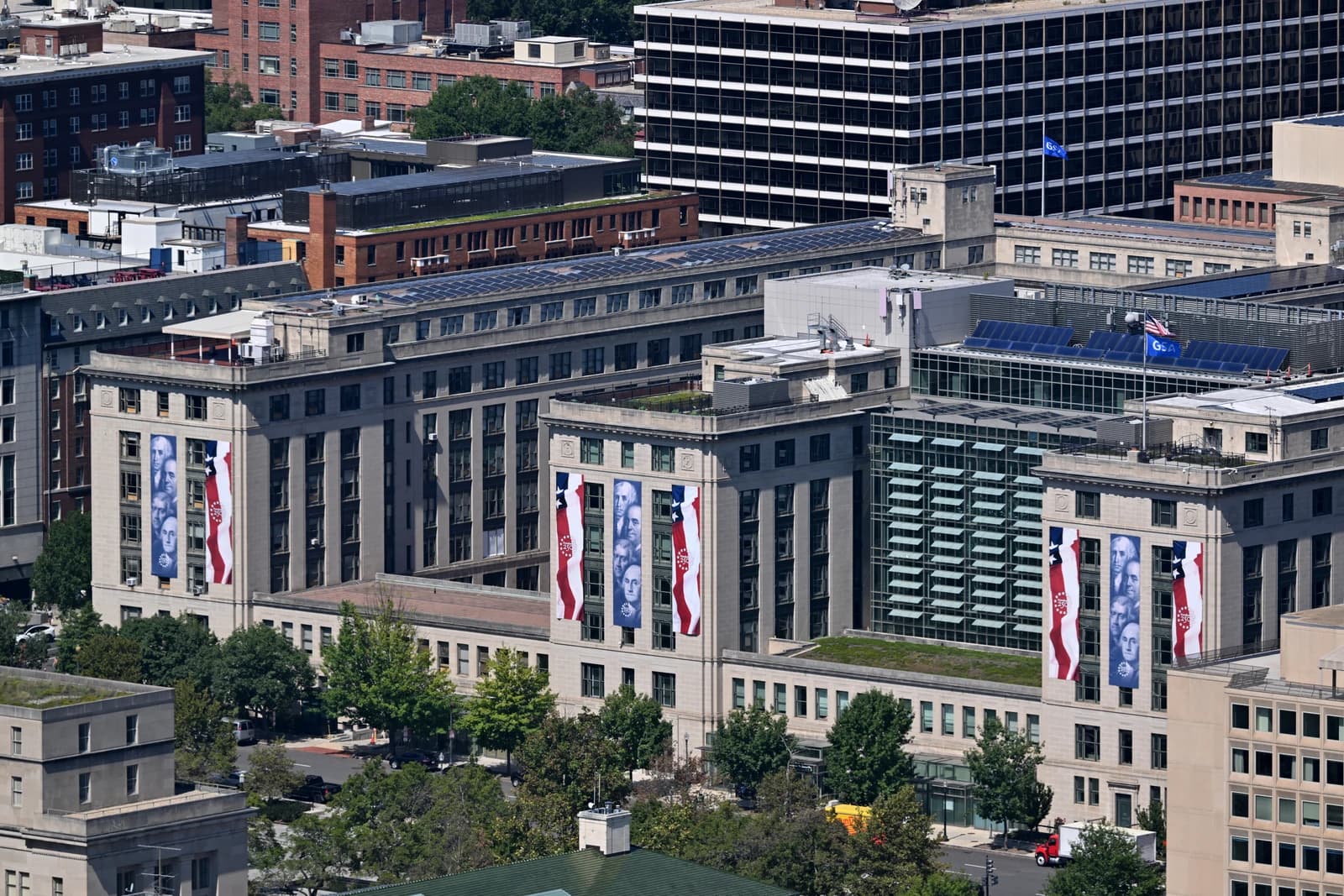
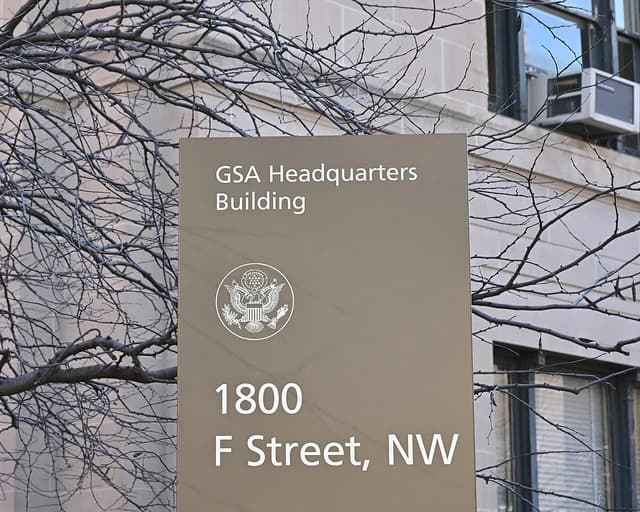
Mark Weiss, a former Cushman & Wakefield executive vice chairman, will lead the Public Buildings Service, the GSA said Wednesday. The division oversees nearly 360 million square feet of federal real estate, making the appointment one of the most important real estate jobs in government.
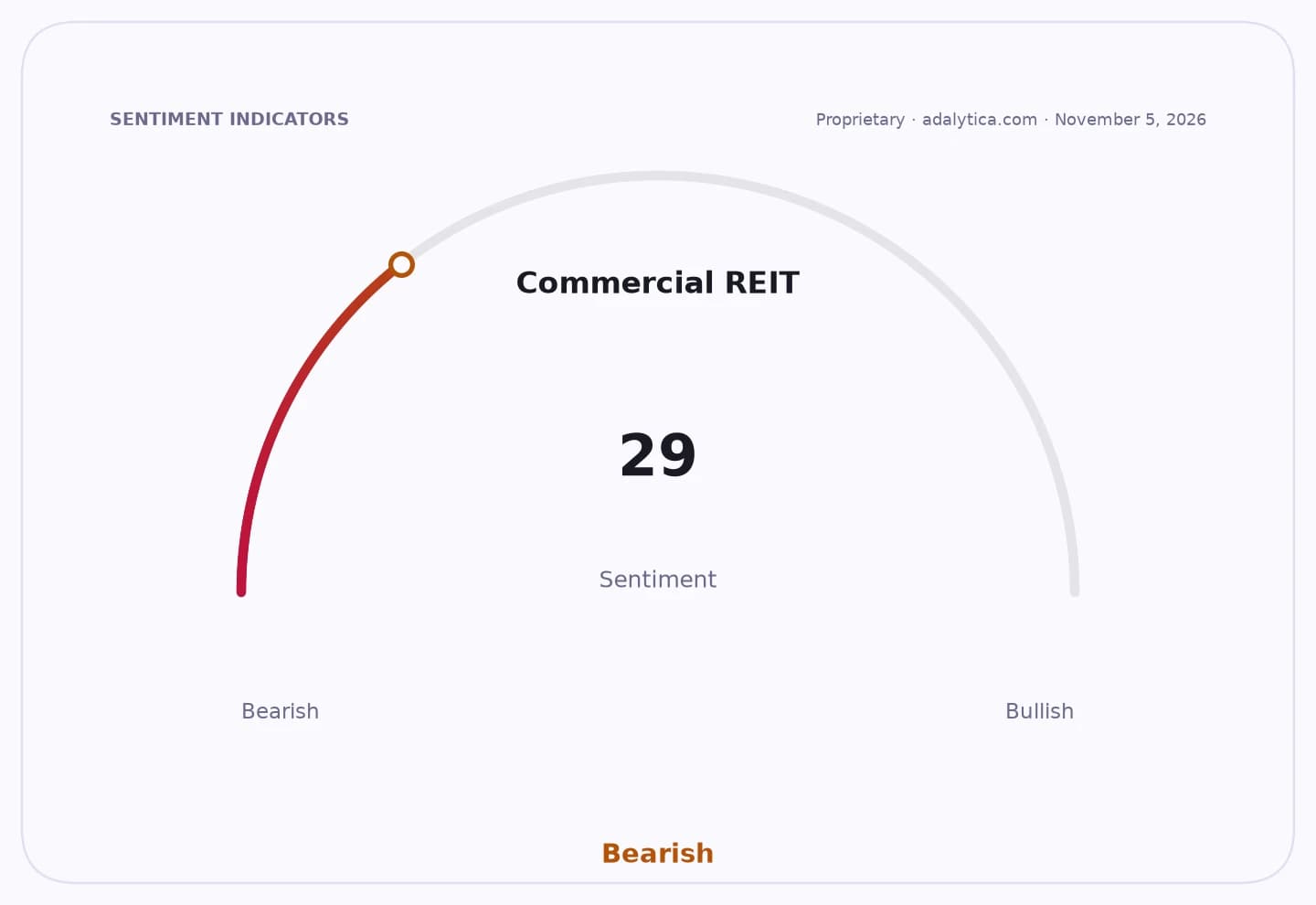
Sentiment Indicators
It also lands after a year of churn at the top. Weiss is the fourth person to hold the post since President Donald Trump took office in January 2025, and two of the prior three commissioners served only in an acting capacity. That kind of turnover matters because federal real estate decisions are slow-moving, politically sensitive and highly consequential for landlords, cities and taxpayers alike.
The Trump administration has pressed the GSA to cut costs by terminating leases and selling buildings, a push that initially produced a flurry of proposed exits and disposals under Michael Peters. Many of those moves were later slowed or reversed, underscoring how hard it is to unwind government occupancy without creating legal, operational or market fallout. For investors in office property, that tension is the story: a federal landlord that wants to slim down, but must do so in a way that doesn’t flood already fragile markets with more vacancy.
Weiss brings more than four decades of brokerage experience, including office leasing and advisory work across finance, law and manufacturing. That background suggests the GSA is leaning on a dealmaker who understands how leases are structured, negotiated and unwound — exactly the expertise needed if the agency wants to reduce space while preserving flexibility and value. In his own statement, Weiss said PBS would continue to advance the administration’s objectives while maintaining the integrity of the federal portfolio.
For commercial real estate investors, the appointment matters most because the government remains a major tenant in many markets, especially for office owners facing weak demand and refinancing pressure. A more seasoned hand at PBS could make the federal drawdown more orderly, which is better for building owners than abrupt cancellations, but it could also mean a more disciplined and sustained effort to trim space over time.
That is why the GSA move should be watched well beyond Washington. If Weiss helps turn a chaotic retreat into a managed portfolio reduction, the pain for landlords may be slower but longer lasting. If he instead pushes harder on consolidations and asset sales, the pressure on office values could deepen. Either way, the federal real estate reset is still in play, and investors in office-heavy landlords should keep it on their watchlist.
| Entity | Gains | Losses |
|---|---|---|
| GSA / taxpayers | ▲More experienced portfolio management | ▼Less room for costly missteps |
| Federal office landlords | ▲More orderly lease talks | ▼Fewer occupied square feet |
| Cushman & Wakefield / brokers | ▲Elevated industry profile | ▼Loss of a senior executive |
| Office REITs and owners | ▲Clarity on federal demand | ▼Ongoing space reduction risk |