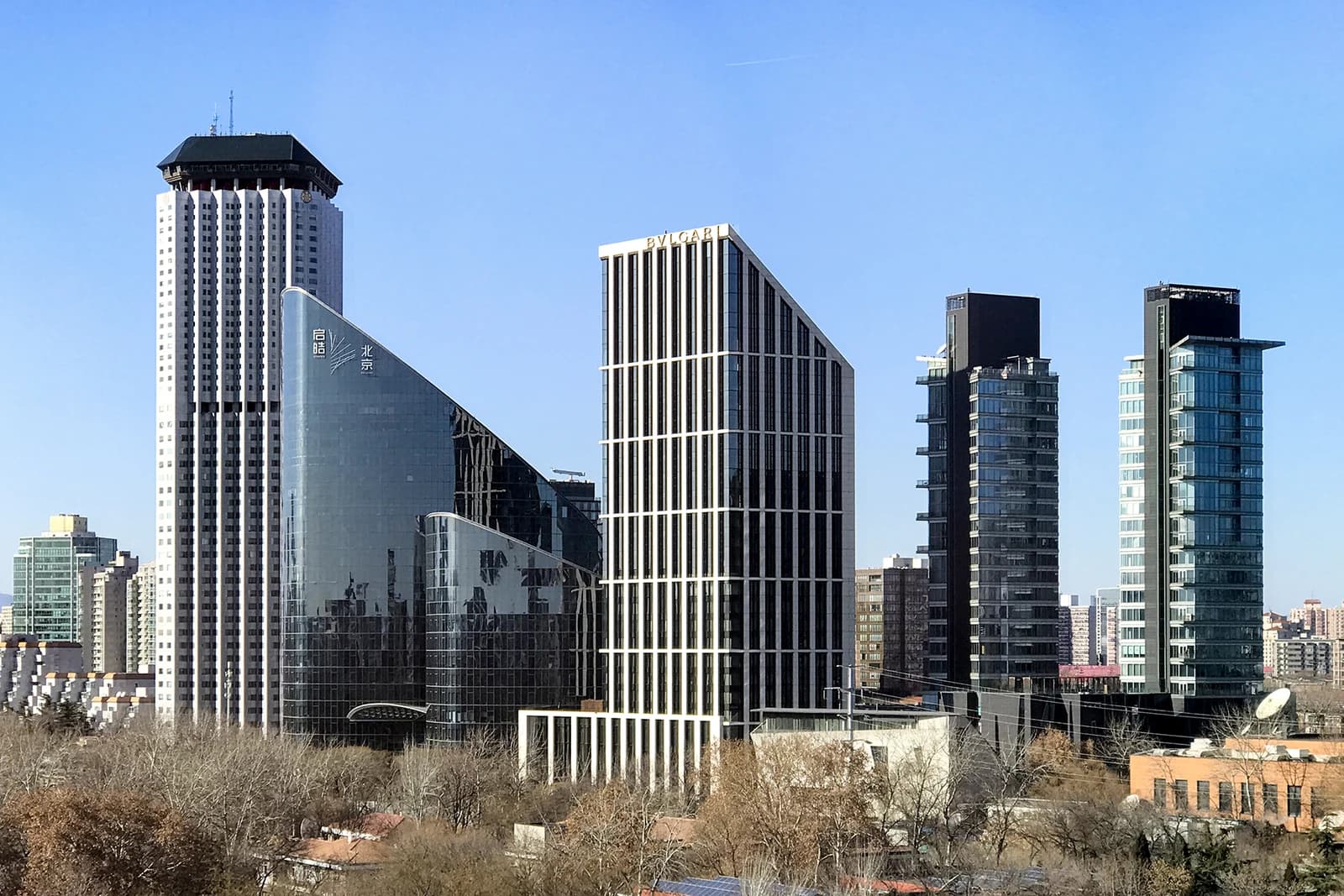
Vacant floors in China’s gleaming office towers are becoming a bigger drag on the property market, underscoring how weak demand and excess supply are still pressuring one of the economy’s most important asset classes.
China office vacancies weigh on property market
The problem matters because offices are supposed to be the stabilizing core of commercial real estate: they support rents, valuations, financing and local tax revenue. When towers sit empty, owners face lower cash flow, lenders face weaker collateral, and investors have to reassess whether the sector’s rebound can last.
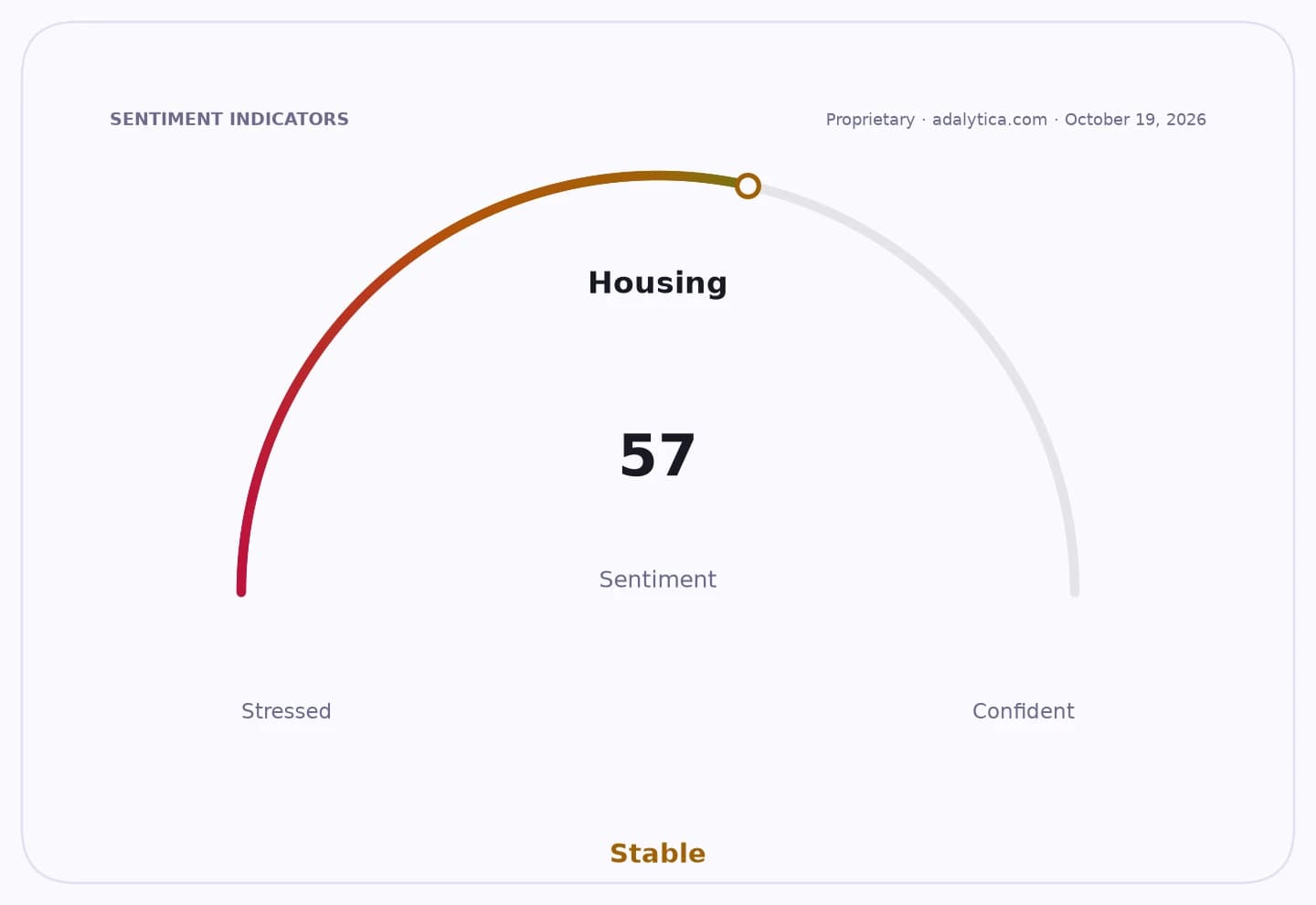
Sentiment IndicatorsⓘProprietary · adalytica.com · October 21, 2026
This is a snapshot — live sentiment, awareness and momentum for 130+ markets update continuously in the dashboard.Open AlphaPulse

The issue is particularly visible in China’s landmark business districts, where even high-profile skyscrapers are struggling to fill space. Local explanations for the vacancies point to a mix of slower corporate expansion, companies trimming office footprints, and a market still adjusting after years of rapid construction.
That backdrop is relevant beyond China. Global commercial real estate remains sensitive to occupancy trends, and investors have been watching for signs that office weakness is turning from a cyclical setback into a structural shift. U.S. real-estate managers such as CBRE and JLL have said leasing activity has improved in some markets, but they also flag macro uncertainty, financing costs and occupier caution as ongoing constraints.

The market impact is already visible in listed property names. VNQ, the Vanguard Real Estate ETF, shows elevated interest from traders, while its recent technical readings suggest the fund is holding near key moving averages after a volatile run. CBRE and JLL have also swung sharply over the year as investors alternated between hopes for a leasing recovery and concern that office demand will remain uneven.
For investors, the central question is whether China’s office vacancy problem stays contained to a few prestige towers or spreads into a broader valuation reset for landlords, developers and service providers. The next catalyst will be any evidence of leasing stabilization, policy support for commercial property, or further signs that companies are still cutting space instead of expanding it.
| Entity | Gains | Losses |
|---|---|---|
| Tenants | ▲Bargaining power | ▼Landlords |
| Office buyers | ▲Lower entry prices | ▼Existing owners |
| CBRE and JLL | ▲Leasing and advisory demand | ▼Fee pressure from weak deals |
| VNQ holders | ▲Upside from recovery bets | ▼Near-term office weakness |