Guinea’s Simandou project is back on the map, and investors should care because the world’s biggest untapped iron ore deposit could redraw global supply chains, strengthen Africa’s mining leverage and shift capital toward the infrastructure names that build around it.
Guinea Simandou project gains momentum
Geopolitical Risk
The inaugural Simandou Mining Summit ended on an upbeat note, signaling growing momentum for a project that has spent years as more promise than production. That matters economically because Simandou is not just another mine: it is a potential new pillar of seaborne iron ore supply at a time when steelmakers are looking for high-grade ore, miners want reserve replacement and governments in resource-rich countries want a bigger cut of the value chain.
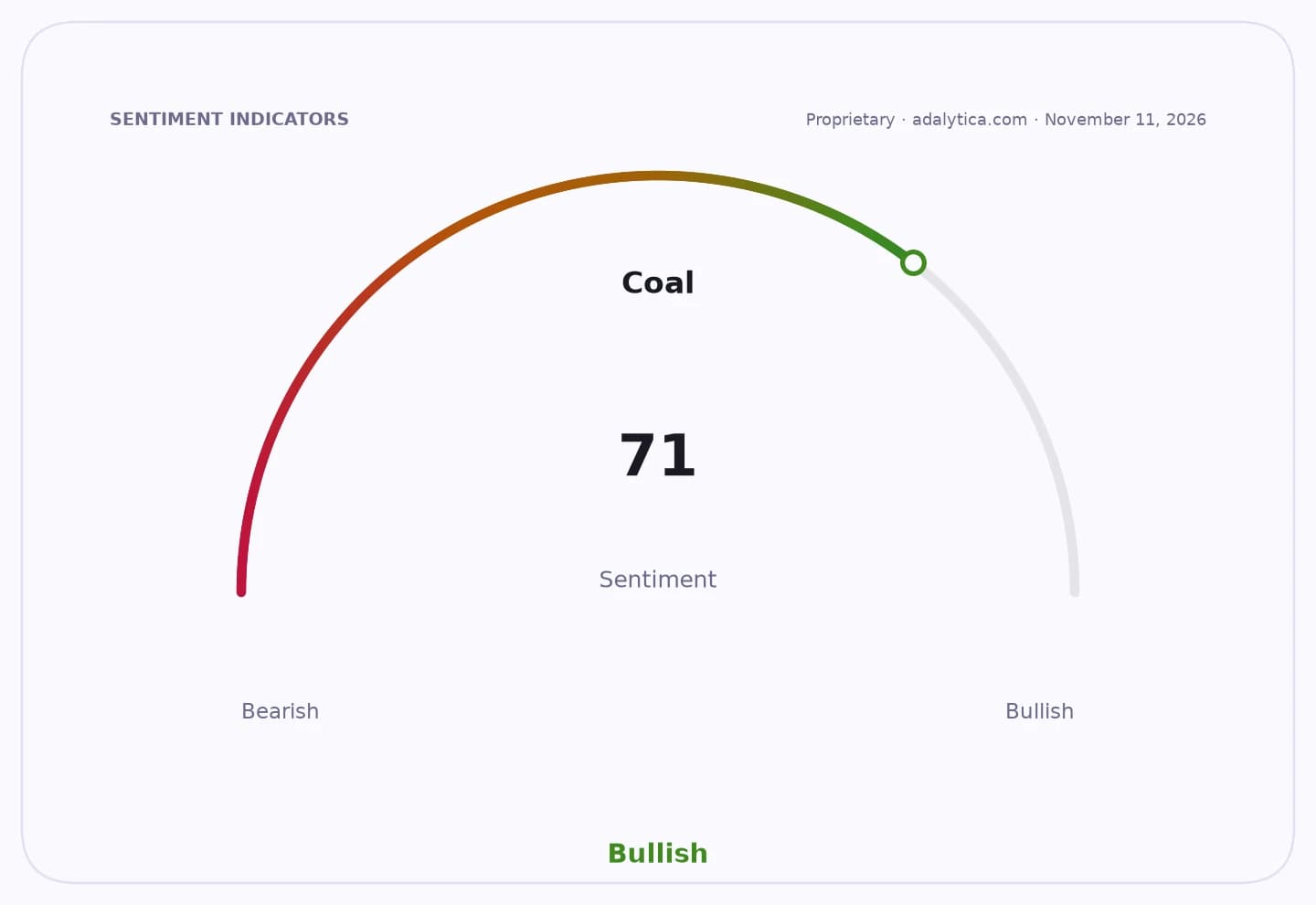
Sentiment Indicators
The market opportunity sits well beyond the pit itself. Simandou’s development depends on rail, ports, power and logistics, which means the investment case reaches into contractors, equipment suppliers and infrastructure developers long before first ore ships. For investors, that creates a classic picks-and-shovels setup: the beneficiaries are not only the miners with direct exposure, but also the companies that build and finance the corridor needed to move ore from Guinea’s interior to the coast.
The summit’s positive tone is especially notable because large-scale resource projects in frontier markets often stall on governance, permitting and execution. If the current momentum translates into firmer agreements and clearer timelines, Simandou could become one of the decade’s most important mining catalysts, with implications for iron ore pricing, freight flows and African resource nationalism.
There is also a broader macro angle. A credible path toward Simandou production would diversify supply away from established exporters and add another layer of competition to a market that has been dominated by a small number of large producers. That may pressure margins at the top end over time, but it also reinforces the thesis that capital will keep chasing scarce, long-life assets with strategic importance.
For now, the investment takeaway is straightforward: Simandou is moving from narrative to development stage, and the best risk-adjusted way to play it may be through the infrastructure, engineering and materials names tied to the buildout rather than waiting for the first tonne of ore.
| Entity | Gains | Losses |
|---|---|---|
| Guinea | ▲Investment inflows, job creation | ▼Execution and governance scrutiny |
| Simandou developers | ▲Project momentum, strategic relevance | ▼Cost overruns, delays |
| Infrastructure contractors | ▲Rail, port and power contracts | ▼Margin pressure from complexity |
| Established iron ore exporters | ▲— | ▼Potential new supply competition |