Gulf equities edged higher as investors leaned on a calmer energy backdrop and a softer view on further Federal Reserve tightening, a combination that supports risk appetite across the region’s markets.
Gulf equities rise on steadier oil and softer Fed bets
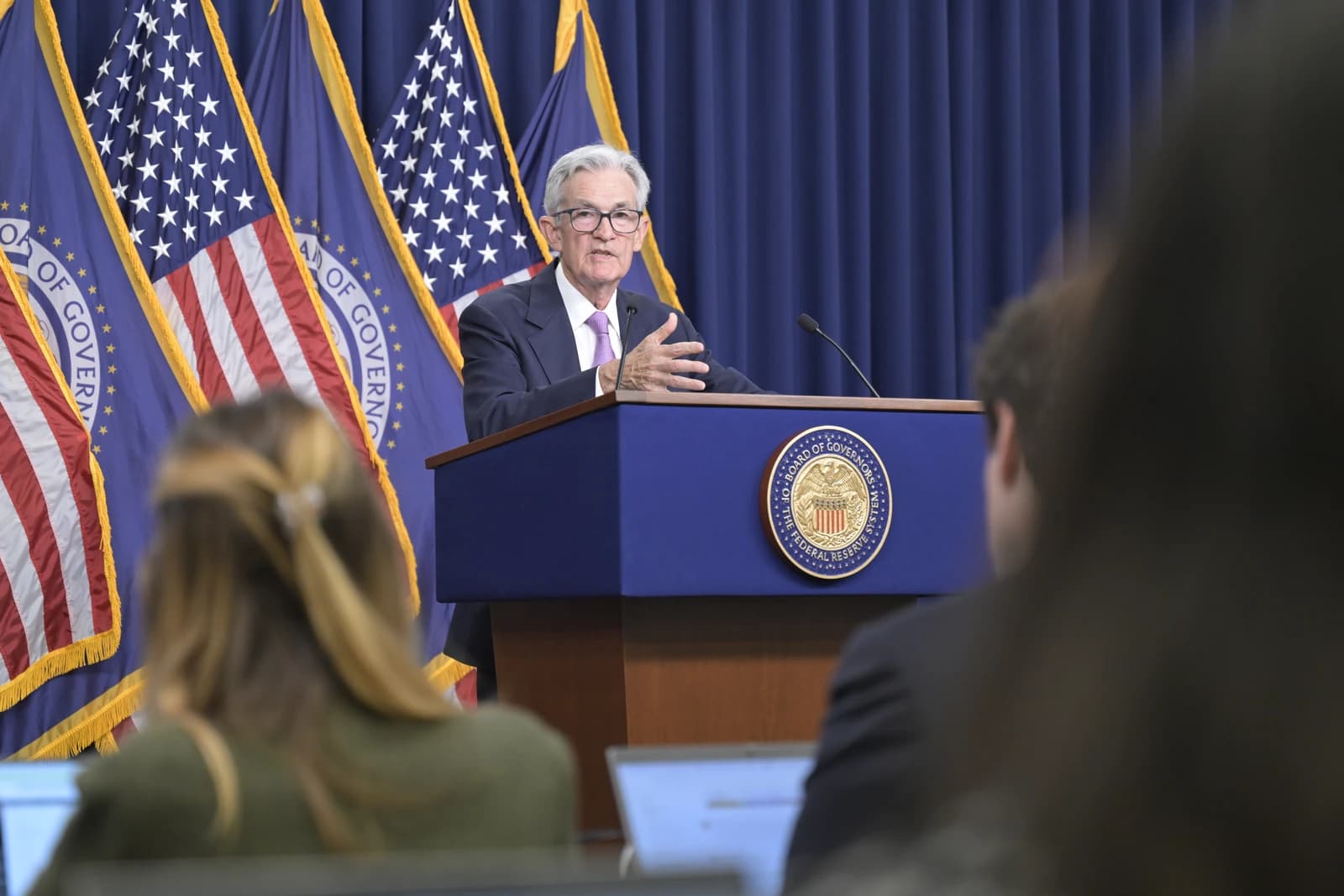
The advance was modest, but the setup matters economically. For Gulf bourses, lower odds of another US rate increase ease pressure on local financial conditions, where currencies are largely tied to the dollar and monetary policy tends to track the Fed. That reduces the risk of tighter liquidity just as regional growth is still being shaped by oil revenues, state spending and capital-market flows.
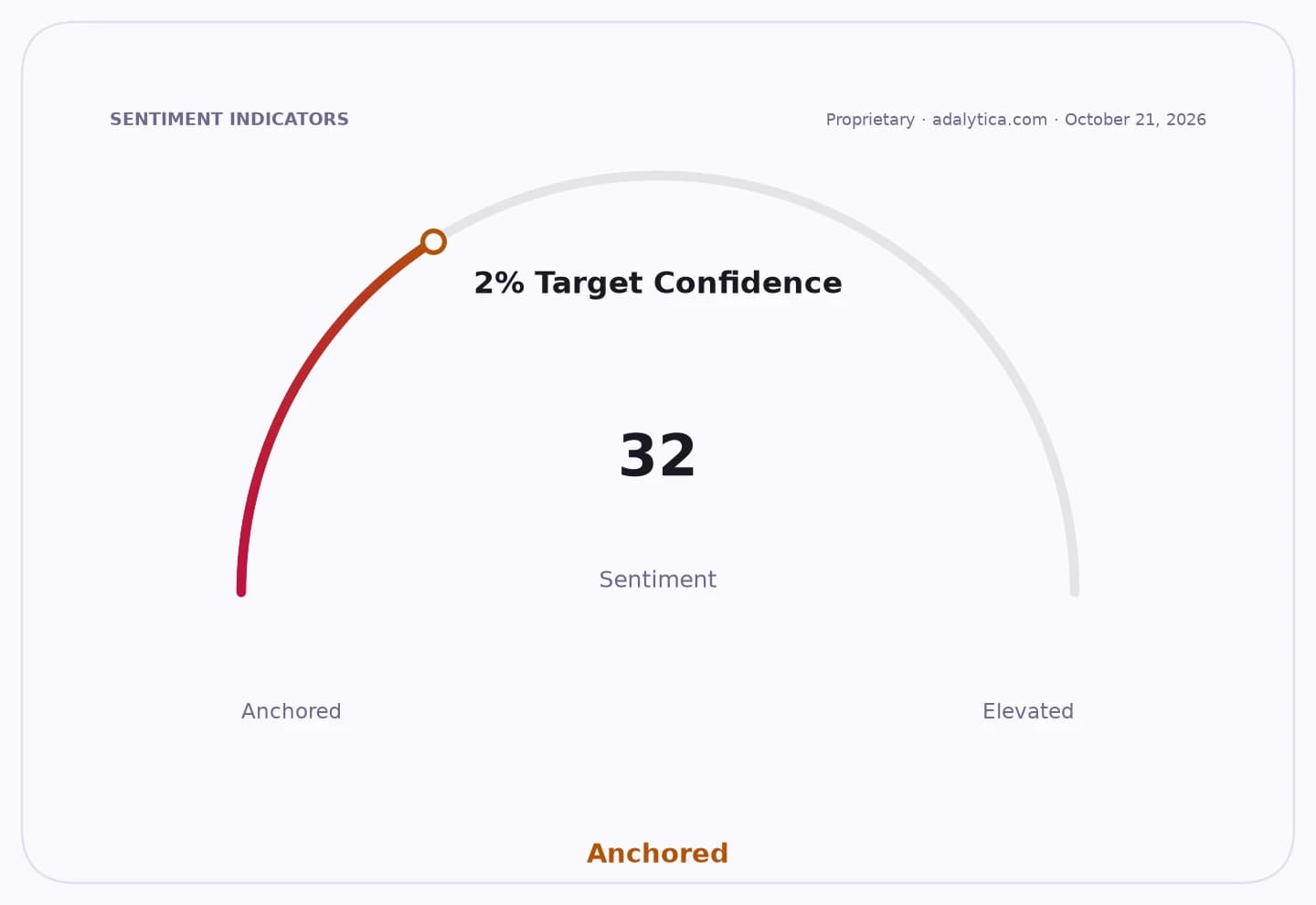
Sentiment IndicatorsⓘProprietary · adalytica.com · October 5, 2026
This is a snapshot — live sentiment, awareness and momentum for 130+ markets update continuously in the dashboard.Open AlphaPulse
The move also reflected an energy market that remained steady enough to prevent a selloff in the region’s dominant export sector. When crude is stable, Gulf investors tend to look through short-term rate uncertainty and focus on carry, dividends and government-linked earnings rather than a broader macro shock. That was visible in the sector backdrop: oil-linked names stayed supported even as global rates trading remained volatile.
US rate expectations have been shifting lower in recent sessions, and that matters for Gulf assets because higher-for-longer borrowing costs typically strengthen the dollar, lift funding costs and weigh on valuations. A less aggressive Fed path is usually constructive for emerging and frontier markets, including the Gulf, by improving global liquidity conditions and supporting foreign inflows. That is especially important for real estate, banks and rate-sensitive consumer names.
Technical positioning in global markets also points to a more cautious but not outright defensive stance. US crude proxy USO remained well above its 50-day and 200-day moving averages, but its relative strength index slipped sharply to 33.3 on Oct. 5, suggesting the recent run-up in oil is cooling rather than breaking down. Treasury proxy TLT, meanwhile, fell to 77.18 and its RSI dropped to 26.8, a sign of heavy selling in longer-dated bonds as investors reassessed rates. The combination points to a market that is still balancing growth and inflation risks, rather than pricing an aggressive new tightening cycle.
For Gulf markets, that balance is enough to keep the bid in place. Stable oil protects fiscal and external buffers, while easing Fed-hike expectations reduce the discount rate applied to regional equities. The risk is that either leg of the trade reverses: a stronger-than-expected US economy could push yields and the dollar higher again, while any renewed disruption in energy markets could quickly change the tone for Gulf stocks.
For now, investors appear willing to add exposure selectively to Saudi, UAE and broader Gulf indices on the view that macro headwinds are easing at the margin. The next catalyst will be whether US data and Fed messaging continue to support a softer policy path, and whether crude can hold near current levels without reigniting inflation concerns.
| Entity | Gains | Losses |
|---|---|---|
| Gulf equities | ▲Lower discount rates | ▼Dollar-funded funding pressure |
| Oil producers | ▲Stable crude prices | ▼Volatility-driven selling |
| Banks and lenders | ▲Easier liquidity outlook | ▼Higher-for-longer rates |
| Bond bears | ▲Weak Treasury prices | ▼Duration-heavy portfolios |