Guyanese voters are putting living standards ahead of geopolitics, a reminder that the country’s next political test will hinge less on foreign alignment and more on whether oil wealth is translating into jobs, prices and basic services.
Guyana voters focus on living standards over geopolitics
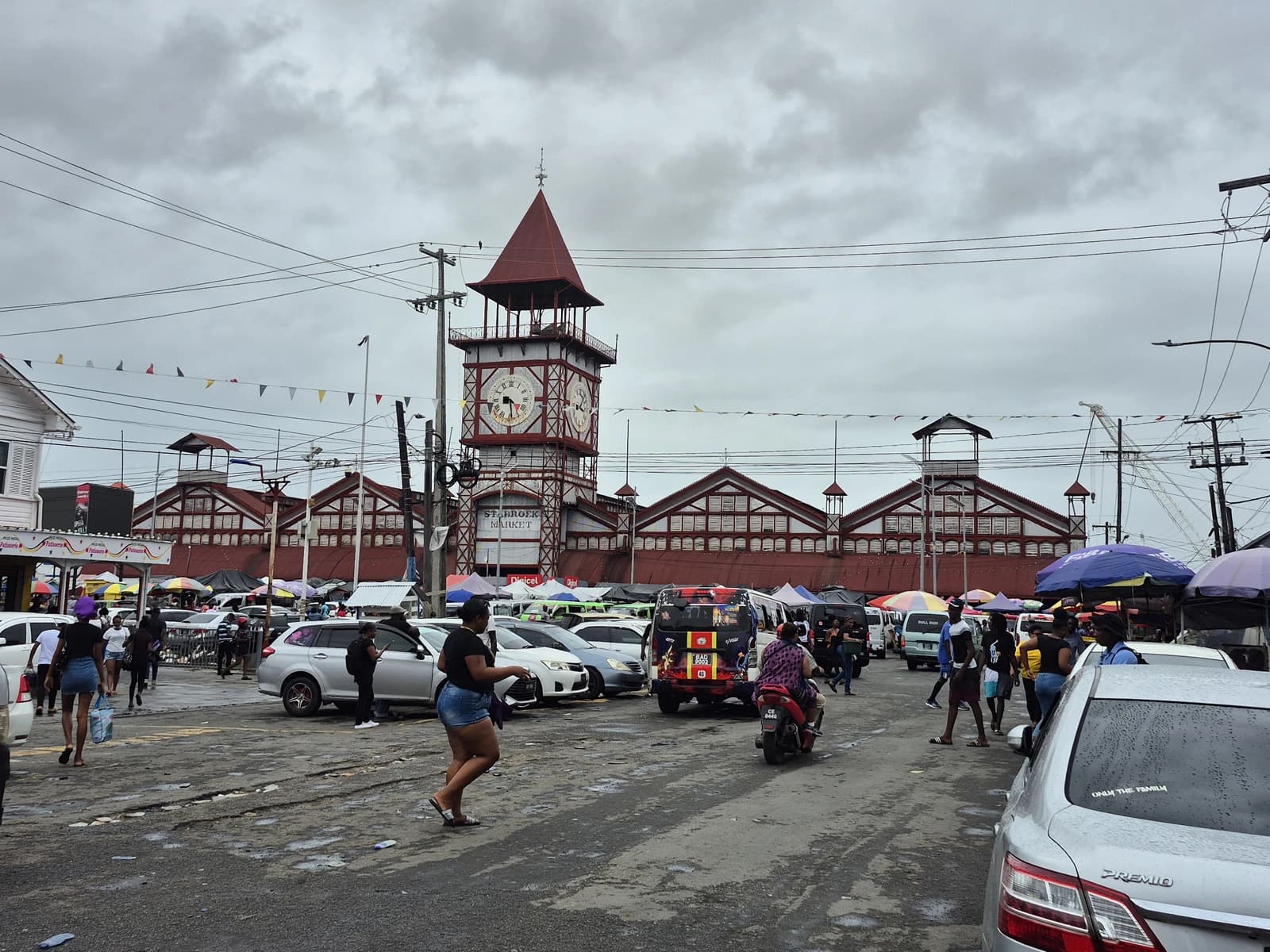
That matters because Guyana has become one of the world’s fastest-growing economies, but the benefits of that boom are not evenly felt. When households are more concerned about food costs, wages, housing and public services than US-China rivalry, it signals that the domestic cost-of-living agenda is likely to dominate policymaking and electoral debate.
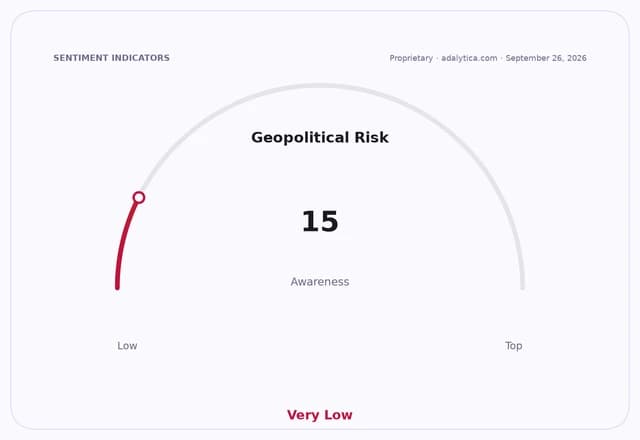
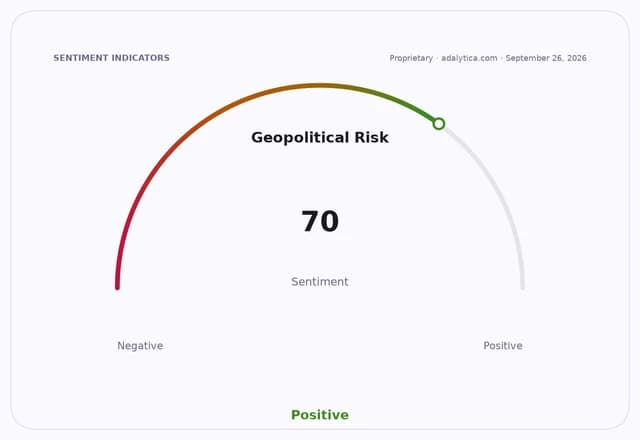
Sentiment IndicatorsⓘProprietary · adalytica.com · September 26, 2026
This is a snapshot — live sentiment, awareness and momentum for 130+ markets update continuously in the dashboard.Open AlphaPulse
The message also carries weight for investors watching the country’s development path. Guyana’s oil-fueled expansion has drawn global attention, but sustained support for the model depends on whether growth shows up in living standards, not just headline GDP. If citizens do not see broad-based gains, pressure rises for higher social spending, faster infrastructure delivery and more visible poverty reduction.
The broader narrative is straightforward: external geopolitics may frame Guyana’s strategic importance, but domestic economic outcomes will decide political momentum. For companies and capital tied to the country, that means the key risks and opportunities are increasingly local — how quickly the state can convert resource revenues into employment, consumer demand and social stability.
The next catalyst will be whether policymakers can deliver tangible improvements in household budgets and public services without undermining macro stability, a balance that will shape both voter sentiment and the investment case for Guyana.
| Entity | Gains | Losses |
|---|---|---|
| Households | ▲More focus on wages and prices | ▼Geopolitical rhetoric |
| Policymakers | ▲Mandate for domestic delivery | ▼Distraction from service gaps |
| Investors in Guyana | ▲Clearer demand for infrastructure and consumer growth | ▼Delay if revenues miss households |
| External powers | ▲Limited influence over voter priorities | ▼Political leverage from geopolitics |