Harwood, North Dakota, is the only U.S. community to vote in favor of an AI data center this week, a sign that even in a country increasingly wary of the industry, local governments still move fast when the promise is jobs, tax revenue and a chance to keep the project from landing elsewhere.
Harwood, North Dakota backs Applied Digital data center
The vote matters because AI buildout is no longer just a Wall Street story about chips and cloud spending. It is now a zoning, power and politics story playing out block by block, with communities weighing water use, electricity bills and environmental costs against construction work and future tax receipts.
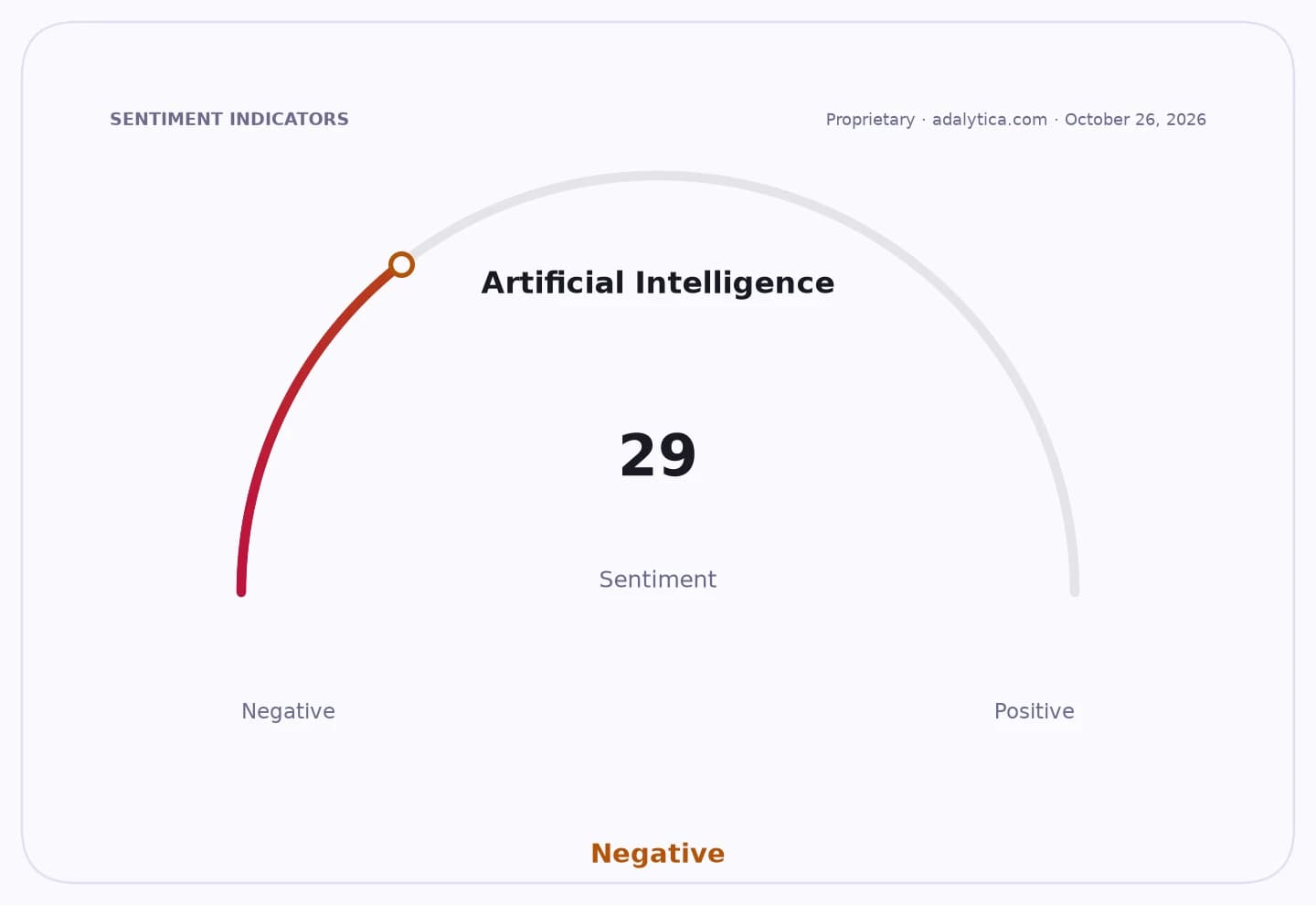
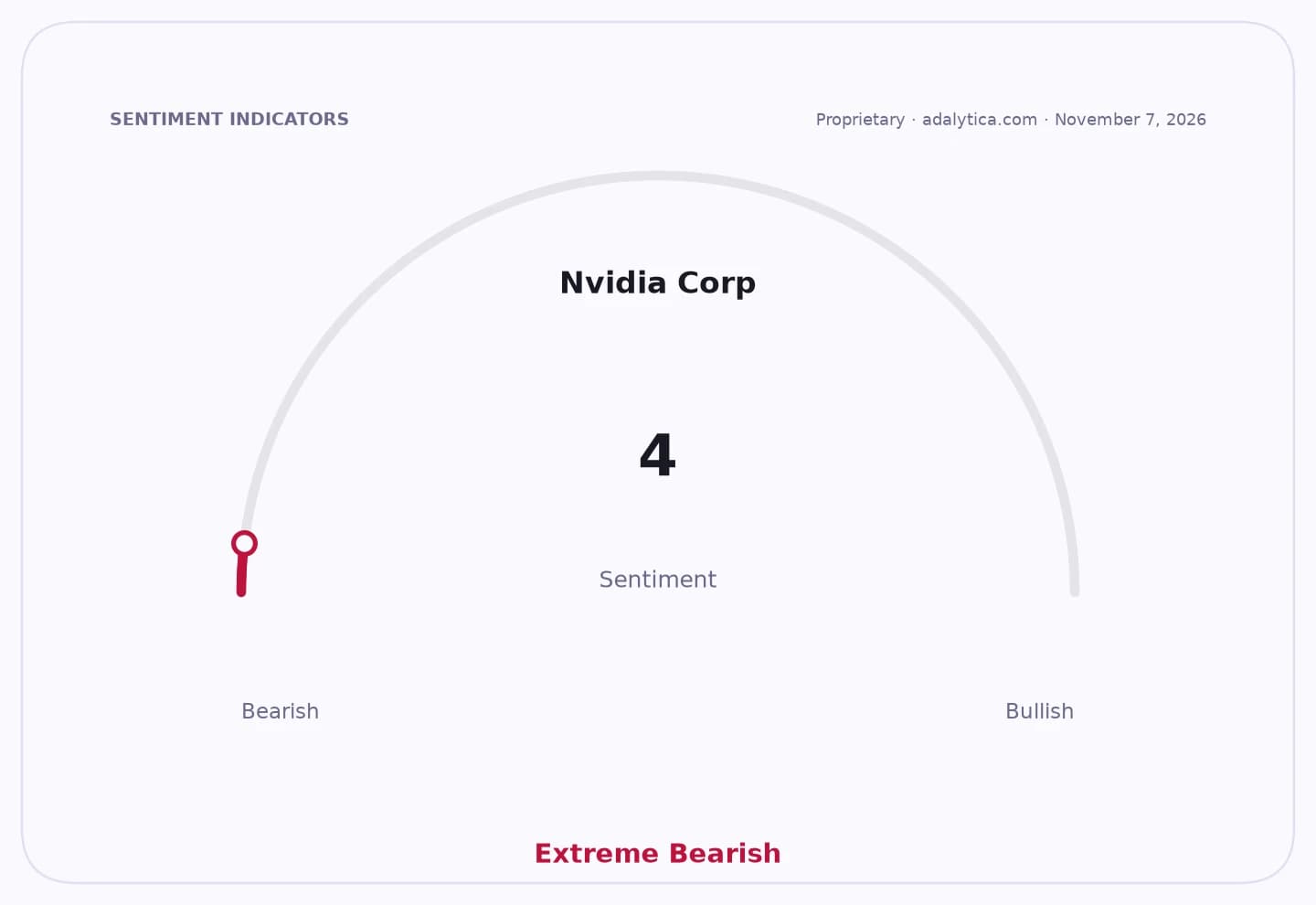
Sentiment Indicators
In Harwood, residents rejected a measure that would have given voters more control over large projects such as AI data centers, with about 325 voting no and 105 voting yes, according to the North Dakota secretary of state’s office. The result made Harwood the lone yes among 45 data-center ballot measures nationwide on Tuesday, according to Redbud Consulting.
That local split lands at a moment when hyperscalers and infrastructure developers are still pouring capital into AI capacity. Applied Digital is building a $3 billion AI data center near Harwood that will span the equivalent of 17 football fields and is expected to hire 200 people, or roughly 20% of the town’s population.
For investors, the vote is a reminder that the bottleneck in AI is increasingly physical. Nvidia, Microsoft, Amazon, Google and others need land, permits, power and community approval to translate model demand into revenue, and delays at the municipal level can slow timelines even when financing and demand are intact.
The broader market backdrop remains favorable for the AI trade, even as sentiment around some names turns volatile. Nvidia’s stock has fallen sharply in recent sessions and closed at $166.19 on Nov. 12, while Microsoft ended at $523 and Amazon at $267.44, leaving the market focused on whether the next leg of AI spending can still clear regulatory and local opposition.
Harwood Mayor Blake Hankey said he opposed the measure, arguing it was too vague and could have imposed costly burdens on a town of its size. He also said the confidentiality agreement signed with Applied Digital helped keep the project from going to Fargo, underscoring how local officials often view these deals as a race for investment rather than a referendum on AI itself.
The vote suggests the near-term winners remain developers that can move quickly and promise fiscal upside, while the losers are communities trying to slow projects after the fact. For AI infrastructure investors, the next test is whether other towns follow Harwood’s lead or keep siding with residents who want more say over where the next wave of data centers is built.
| Entity | Gains | Losses |
|---|---|---|
| Applied Digital | ▲Project advances | ▼Less local procedural risk |
| Harwood city budget | ▲Future tax revenue | ▼More industrial footprint |
| AI developers | ▲Faster siting in receptive towns | ▼Slower approvals elsewhere |
| Nearby residents | ▲Jobs and spending | ▼Noise, water and power strain |