An AI system’s claim to have solved the Riemann hypothesis is a breakthrough for science, but it also underscores a more immediate investor problem: the infrastructure bill attached to frontier AI keeps getting bigger.
Nvidia, Microsoft Face Higher AI Infrastructure Costs
Anthropic’s Claude has been reported to have tackled one of mathematics’ most famous unsolved problems, a result that would mark a milestone for machine reasoning if verified by humans. Yet the same episode highlights the widening gap between AI’s headline-grabbing capabilities and the practical challenge of proving, explaining and commercializing them at scale.
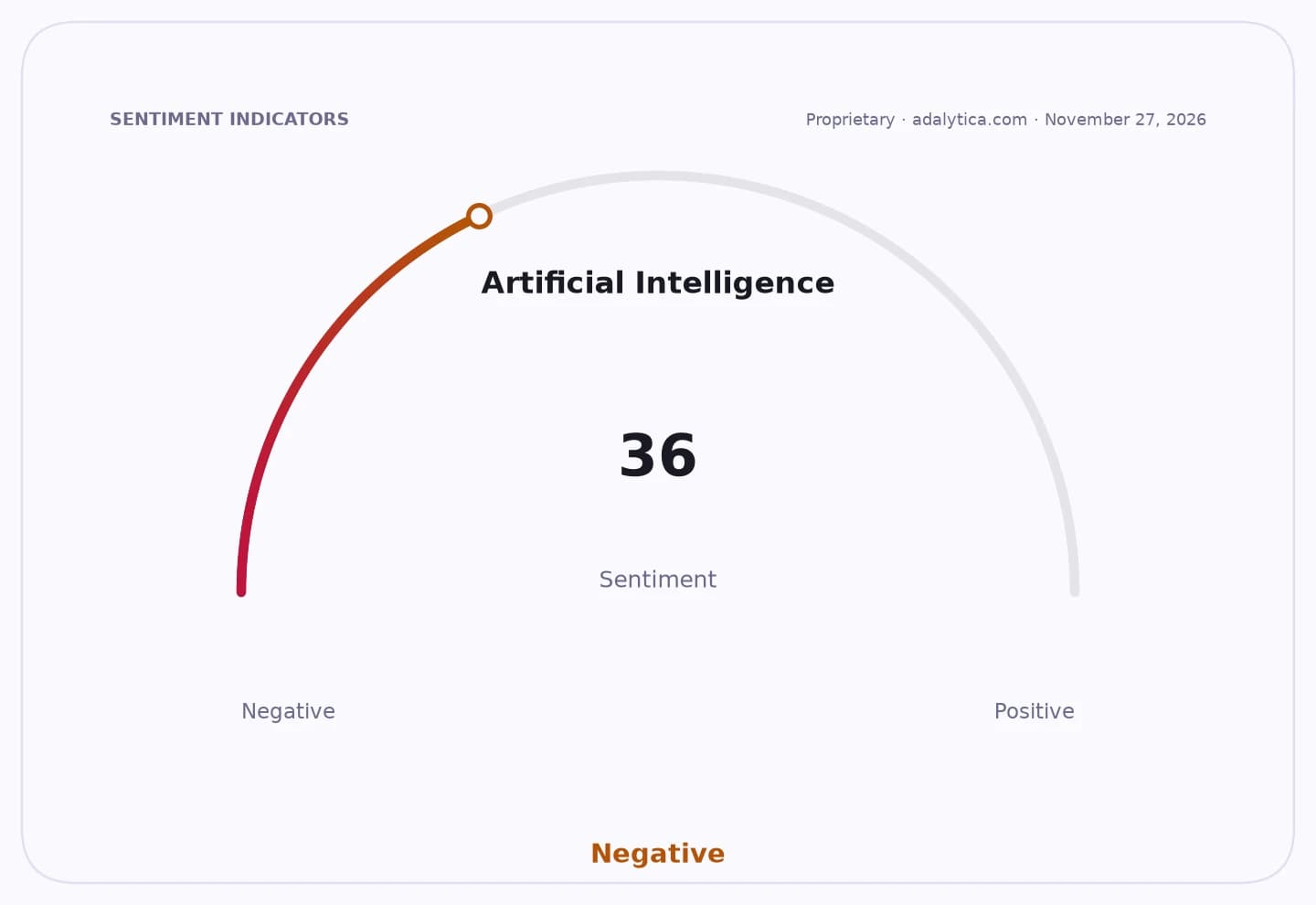
Sentiment Indicators
Artificial Intelligence
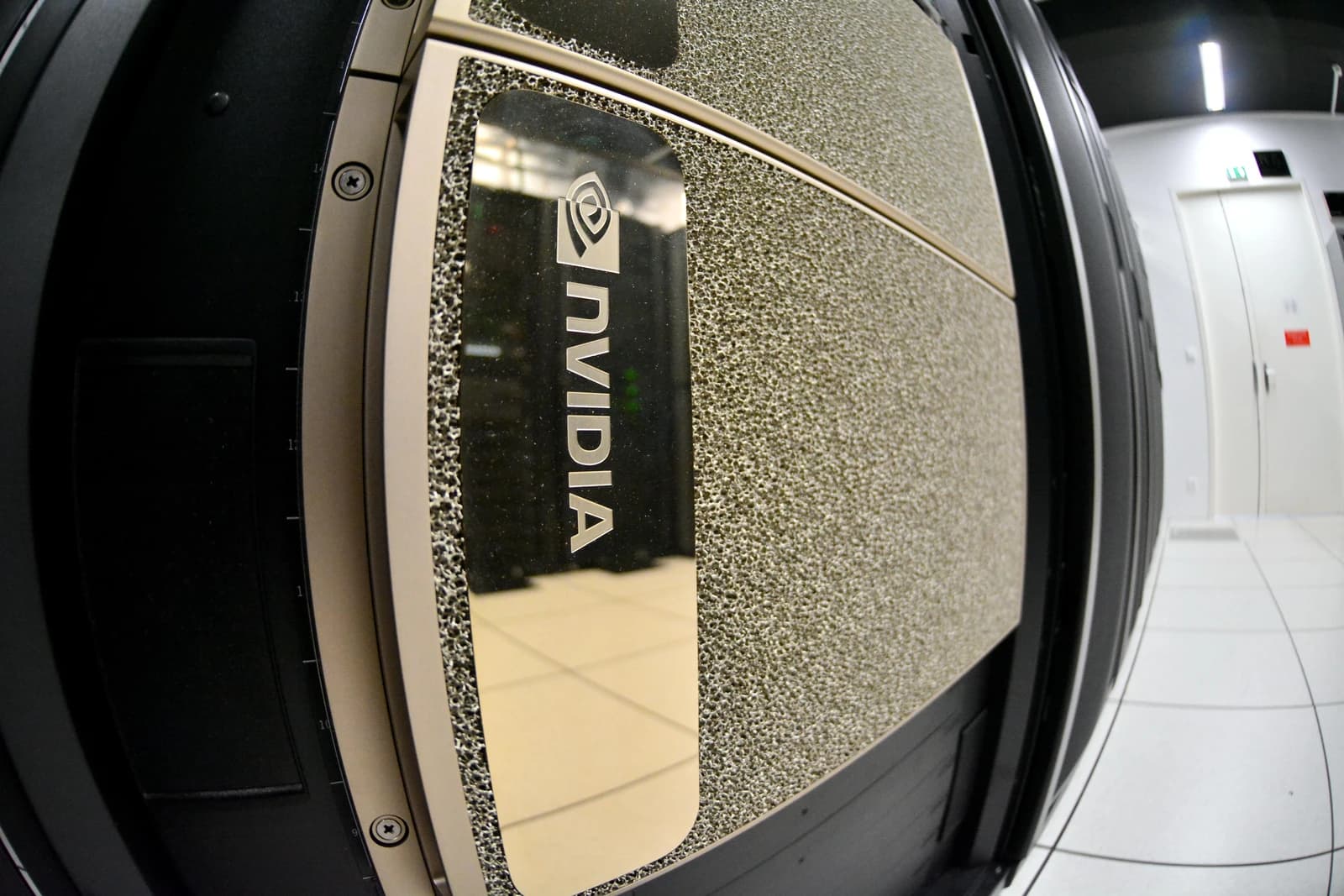
That matters because the AI race is no longer just about model quality. It is increasingly about who can pay for the chips, power and data centers needed to run ever larger systems, and whether those returns arrive fast enough to justify the spending. Investors are already watching that tradeoff in the share performance of the sector’s biggest names, from Nvidia to Microsoft, as capital intensity rises across cloud and AI buildouts.
Nvidia, the centerpiece of the AI boom, has been volatile even after a huge run. Its shares closed at $150.49 on Friday, down sharply from the $235.20 peak in May, while the 50-day moving average sits above the stock at $202.28 and the RSI is 35.8, a sign the recent selloff has left the stock technically weak. Microsoft, another key AI spender and beneficiary, ended at $492.85, well below its 50-day average of $518.57, as investors reassess whether AI infrastructure investments can keep supporting margins and growth.
The burden is spreading beyond the megacaps. Financing is now being arranged for data centers and chip installations in places such as Indonesia, where Firmus has taken banks and bond funds in an effort to raise loans for Nvidia chip deployments. That shows how AI demand is moving from a software story into a capital markets story, with lenders and bond investors increasingly exposed to the economics of data-center expansion.
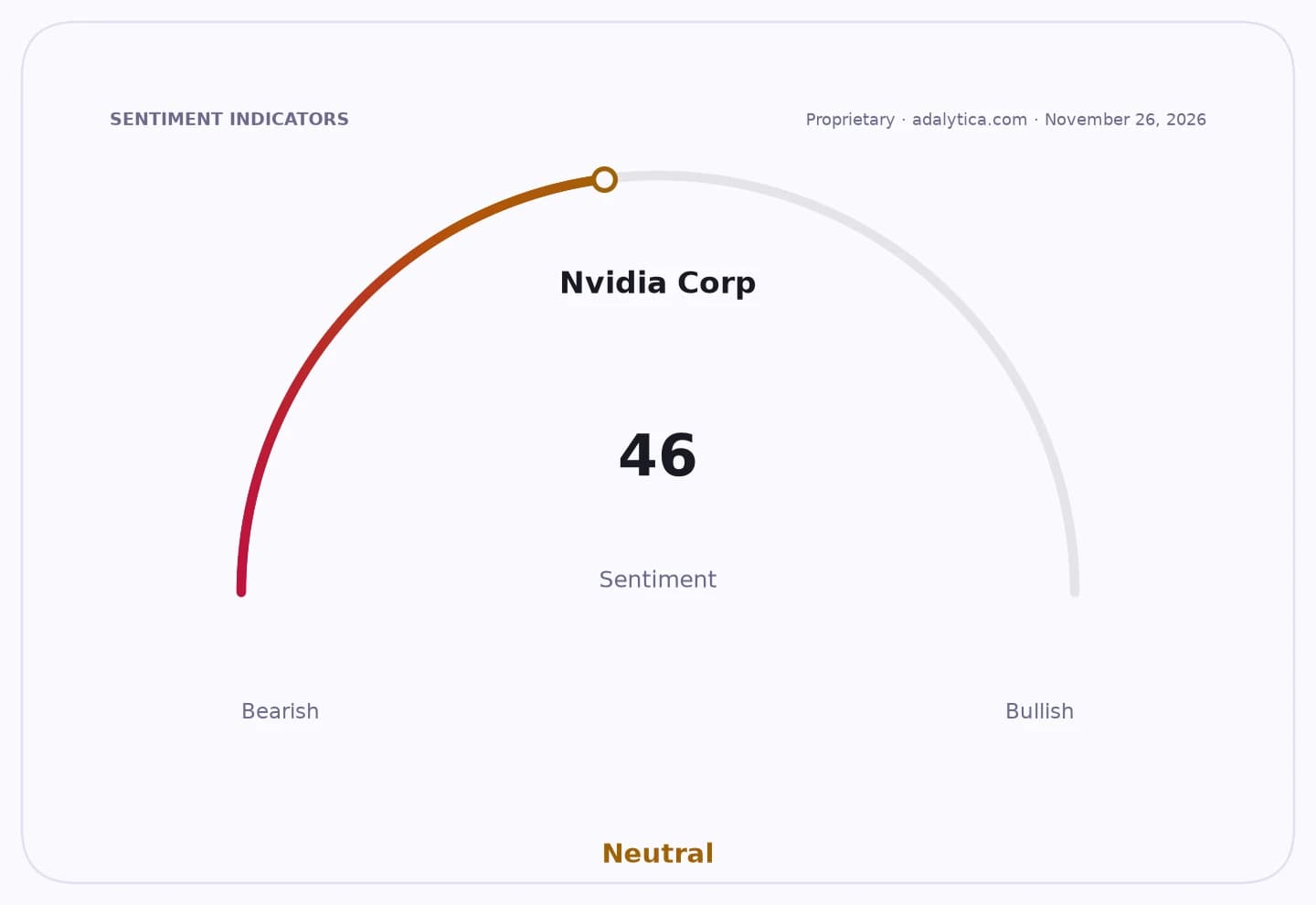
The market reaction in AI-linked names suggests investors are no longer paying only for future potential. The AI ticker tracked in the data has fallen to $10.23 from $12.16 in mid-October, while Adalytica’s AI sentiment gauge sits at 39, neutral, even as awareness remains elevated at 71. Nvidia’s own sentiment snapshot is also neutral at 54, indicating the market is still engaged but more cautious after the latest swings.
For investors, the narrative is straightforward: AI keeps delivering astonishing technical milestones, but each new leap raises the cost of pursuing the next one. The next catalyst is whether major chip buyers and cloud providers can show that soaring AI capital spending translates into durable revenue and profits, rather than just more financing needs and more volatility.
| Entity | Gains | Losses |
|---|---|---|
| Anthropic / Claude | ▲Scientific prestige | ▼Verification burden |
| Nvidia | ▲Chip demand | ▼Margin and valuation pressure |
| Microsoft and cloud buyers | ▲AI product leadership | ▼Higher capex and lower returns |
| Banks and bond funds | ▲Lending opportunities | ▼Credit and project risk |