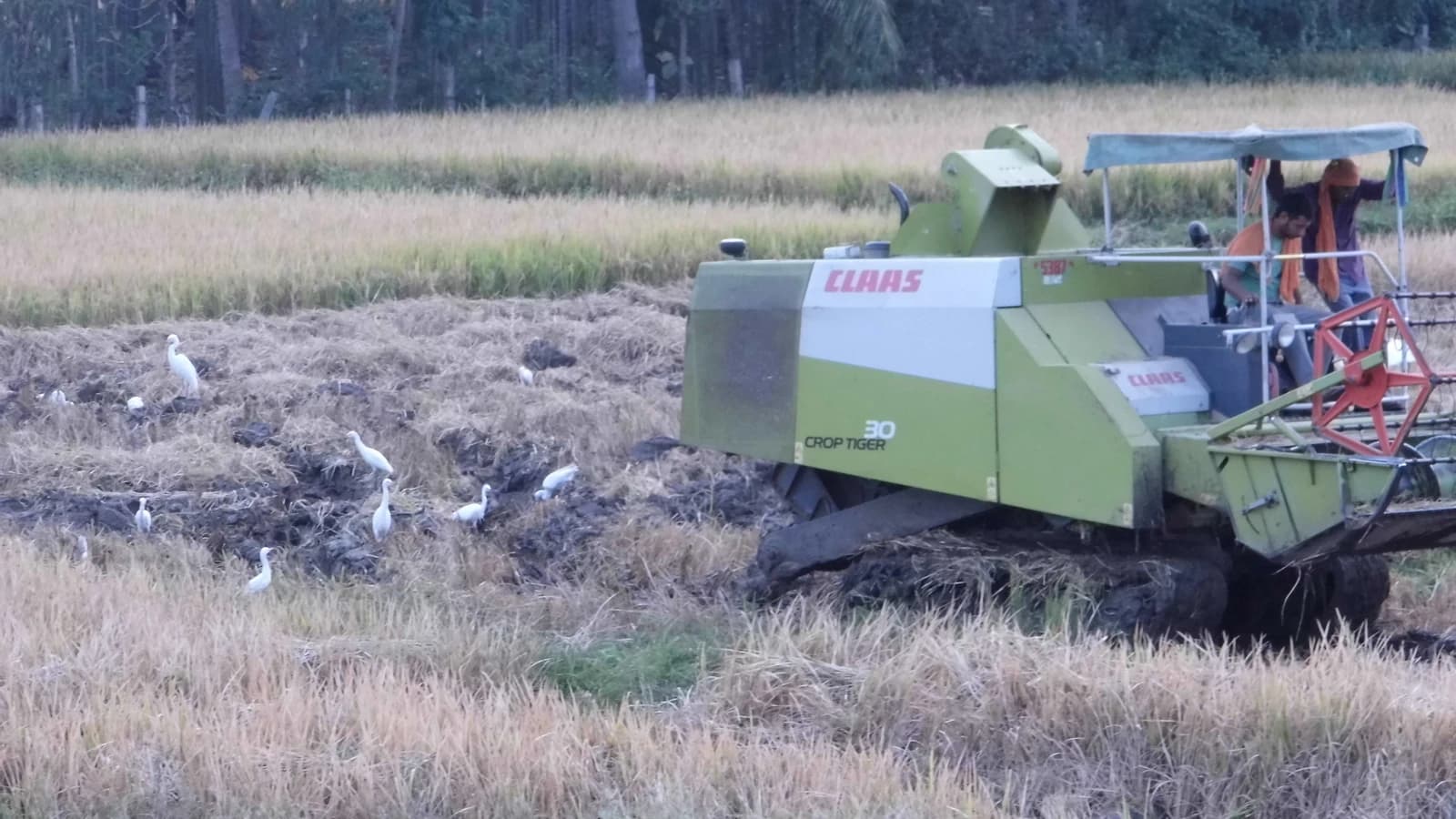
Heat and drought have cut the Hersfeld-Rotenburg district’s grain harvest short and, more importantly for farm incomes, knocked wheat quality lower at a time when growers are already facing elevated diesel, fertilizer, energy and machinery costs.
Hersfeld-Rotenburg wheat quality hit by heat and drought

The local impact is not just a weather story. For cereal farms, a drop in quality can mean weaker milling grades and lower farm-gate prices even when harvest volumes are acceptable, squeezing margins in a business where output prices have been broadly stable but production costs have risen sharply. In the district, the harvest was largely wrapped up by early August after a hot, dry spell that began in the second half of June, according to the local farmers’ association.
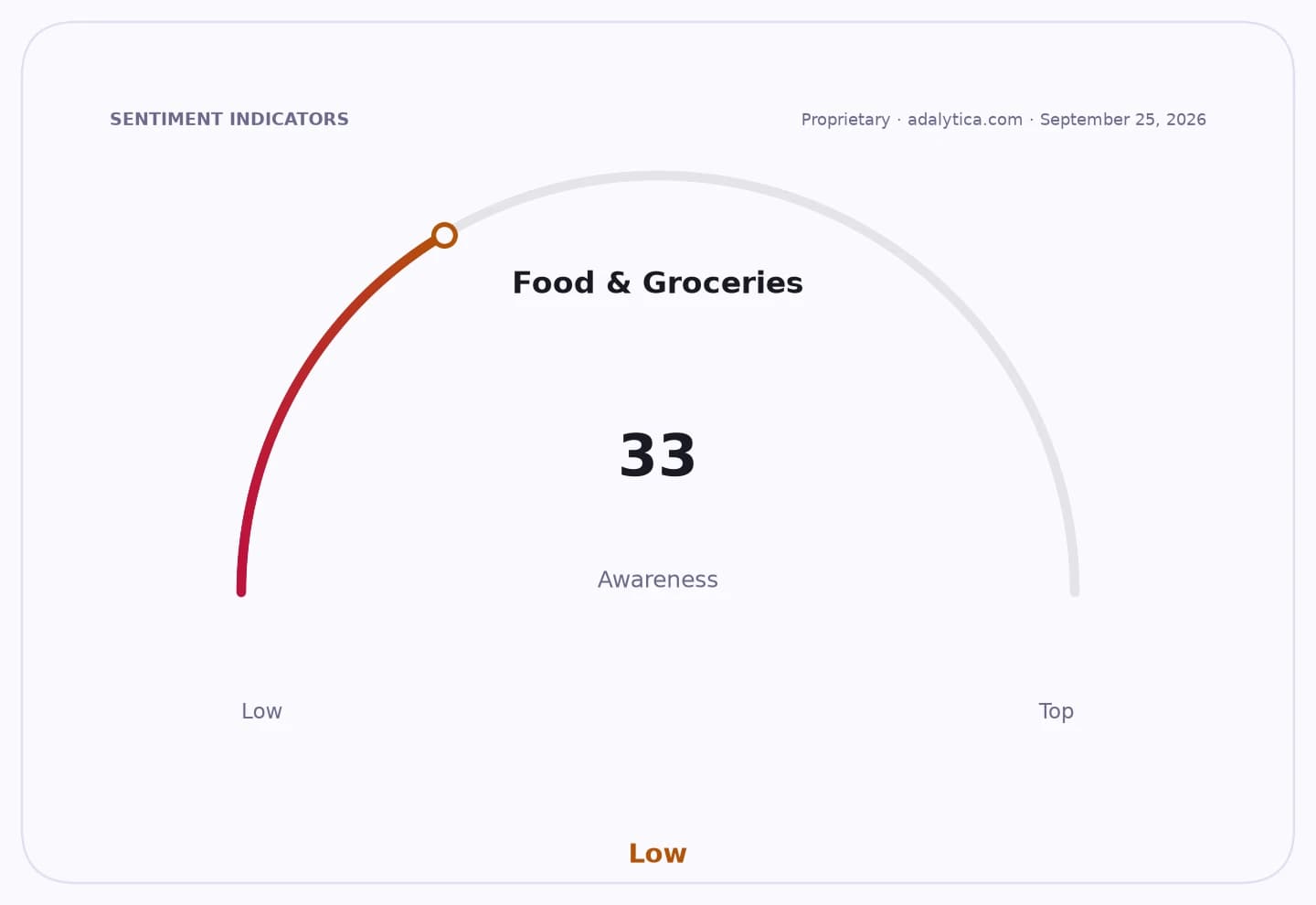
Sentiment IndicatorsⓘProprietary · adalytica.com · September 18, 2026
This is a snapshot — live sentiment, awareness and momentum for 130+ markets update continuously in the dashboard.Open AlphaPulse
Jörg Schneider, whose family farms around 180 hectares in Kirchheim, said barley delivered “decent” yields, but peas were only middling and wheat suffered more on quality than volume. That pattern matters because wheat quality determines whether grain can be sold into higher-value food and milling channels or is downgraded into feed markets, where returns are thinner. Markus Ritter, deputy chairman of the district farmers’ association, said the heat had brought the harvest forward and reduced yields in parts of the region, even if the dry weather also helped farmers bring grain in cleanly and quickly.
The damage was uneven. Fields in river valleys fared better than those on higher ground, underscoring how small weather differences can split outcomes within the same district. The report also points to broader stress across German agriculture: livestock operators had to supplement pasture with hay and silage, some of it from last year’s stocks, while the Hessian farmers’ association set up a feed exchange. That is a reminder that crop losses can cascade into higher feed costs for animal producers and tighter inventories heading into winter.
Markets are unlikely to feel a direct price shock from one district, but the story fits a wider pattern of weather-driven supply risk across grain-producing regions. Recent volatility in wheat and corn futures has reflected that sensitivity, with prices still elevated relative to more stable periods and crop conditions closely watched by traders. For European agribusinesses, the immediate effect is on basis differentials and quality spreads rather than headline benchmark prices alone.
For investors, the takeaway is that climate variability is becoming a recurring earnings variable for farming, grain handling and food supply chains. Farmers with diversified rotations, better soil moisture retention or access to irrigation are better positioned than pure arable operators exposed to rainfall swings. Input suppliers and grain traders may benefit from larger crop insurance, storage and hedging needs, while growers face a tougher mix of weak quality, high costs and limited pricing power.
The next catalyst is the winter grain sowing campaign, which has already begun after some welcome rain eased the seedbed. But with farmers still warning about structurally higher operating costs and unfair competition from lower-cost EU and non-EU producers, the bigger issue is not one bad summer in one district. It is how often heat and drought will keep eroding crop quality, forcing European agriculture to trade more on survival than on margin expansion.
| Entity | Gains | Losses |
|---|---|---|
| Grain buyers/feed users | ▲Lower-quality grain supply | ▼Milling-grade wheat availability |
| Farmers with better land/water access | ▲Higher relative yields | ▼Growers on dry uplands |
| Input suppliers/insurers | ▲More hedging and risk demand | ▼Stable-volume farm spending |
| Wheat growers in Hersfeld-Rotenburg | ▲Better harvest timing | ▼Quality downgrades, higher costs |