HallPass is trying to reopen a slice of the candy market that big confectioners have struggled to defend: lapsed consumers who still want the taste and ritual of chocolate, but with fewer calories and less sugar.
Hershey faces low-sugar candy competition
The pitch matters because it goes to the center of a widening split in packaged food demand. On one side are legacy brands such as The Hershey Company, which are still reliant on an impulse-heavy candy aisle but have been dealing with weakening takeaway. On the other are newer brands like HallPass that are positioning low-sugar confectionery not as a niche health product, but as a mainstream substitute that can sit beside conventional candy at accessible prices.
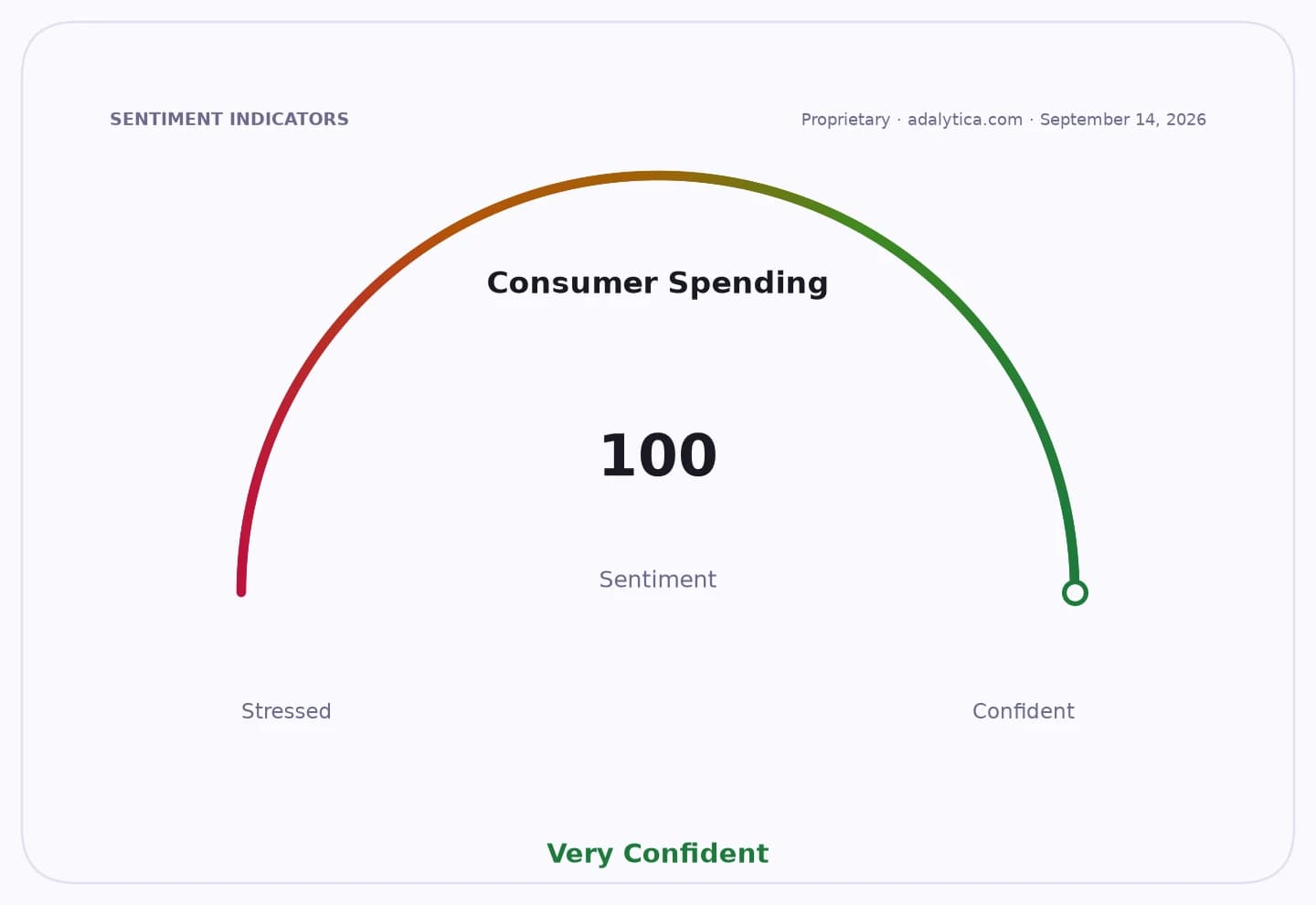
Sentiment IndicatorsⓘProprietary · adalytica.com · October 6, 2026
This is a snapshot — live sentiment, awareness and momentum for 130+ markets update continuously in the dashboard.Open AlphaPulse
That positioning is economically important because confectionery has long been one of the most resilient indulgence categories in grocery, yet it is now being squeezed by changing consumer habits, health scrutiny and tighter household budgets. HallPass co-founder Michael Tierney said the brand is targeting calorically conscious shoppers and using lessons from his prior venture, Stuffed Puffs, to compete with broadline candy companies. That suggests the opportunity is not just to sell “better-for-you” candy, but to pull back consumers who have drifted away from the aisle entirely.
For investors, the story lands on two fronts. First, it highlights another layer of pressure on incumbent chocolate makers already facing a more selective shopper. Hershey’s shares have fallen sharply from recent levels, and technical indicators such as the 50-day and 200-day moving averages, along with weak RSI readings, point to a stock that has been under sustained selling pressure. More fundamentally, Hershey disclosed in its latest quarterly filing that U.S. retail takeaway fell 5.4% in the expanded multi-outlet and convenience channels, a reminder that volume remains fragile even when pricing has helped support revenue.
Second, HallPass underscores how the growth battle in snacks and candy is moving toward reformulation and premium accessibility rather than pure price competition. Consumers may be more willing to try lower-sugar products if they do not require a trade-off on taste or a large premium at checkout. That is where HallPass is aiming, and where larger food companies may need to respond through innovation, acquisitions or more aggressive portfolio reshaping.
The backdrop could also become more favorable for challengers if health regulation keeps tightening. Broader policy scrutiny around sugar labeling and reformulation, along with persistent concern about ultra-processed foods, is encouraging retailers and manufacturers to expand beyond traditional candy formulations. That creates an opening for brands that can make reduced-sugar products feel familiar rather than medicinal.
Still, the bull case for HallPass is not without risk. The candy aisle is dominated by scale, shelf space and brand recognition, all of which favor the incumbents. The bear case is that consumers may say they want healthier treats, but continue buying the established names when faced with an impulse purchase. For Hershey, Mondelez and retailers such as Walmart, the question is whether low-sugar newcomers become a meaningful growth engine or just a small diversion in a category still anchored by classic chocolate.
What the HallPass story ultimately shows is that the fight for candy sales is no longer only about flavor or brand loyalty. It is about whether confectionery can adapt to a consumer base that still wants indulgence, but increasingly wants permission to buy it.
| Entity | Gains | Losses |
|---|---|---|
| HallPass | ▲Gains lapsed buyers | ▼Loses on scale and shelf power |
| Hershey | ▲Gains if category stays familiar | ▼Loses if buyers trade down or switch |
| Health-conscious consumers | ▲Gains lower-sugar choices | ▼Loses fewer taste compromises if options disappoint |
| Walmart and retailers | ▲Gains assortment variety | ▼Loses if candy turns over more slowly |