Household debt remains expensive to carry even as the Federal Reserve inches toward easier policy, and that makes the path out of debt less about austerity than about prioritizing high-cost borrowing while protecting cash flow for food, housing and utilities.
High-rate debt stays costly despite easing policy
The macro backdrop is still hostile to balance-sheet repair. The fed funds rate is running at 3.63%, down sharply from the peak but still far above the ultra-low levels that helped consumers refinance cheaply for more than a decade. Inflation, while cooler than its post-pandemic surge, remains elevated at 332.568 on the CPI index, preserving the squeeze on real incomes. Unemployment at 4.2% suggests the labor market is not in distress, but it is no longer loose enough to guarantee rapid wage gains for borrowers who need room to pay down debt.
Sentiment IndicatorsⓘProprietary · adalytica.com · July 17, 2026
This is a snapshot — live sentiment, awareness and momentum for 130+ markets update continuously in the dashboard.Open AlphaPulse
That combination matters because debt reduction is no longer mainly a question of willingness; it is a question of sequencing. When borrowing costs remain restrictive relative to recent history, every extra dollar directed to revolving credit can save more interest than the same dollar would have saved in a low-rate cycle. But the ability to stay current on rent, groceries, childcare and healthcare is what keeps a household from replacing one problem with another. The economically rational strategy is to preserve essential spending, eliminate leakage in discretionary categories, and direct surplus cash to the highest-rate obligations first.
The pressure is visible in consumer lenders’ own data. Capital One and Synchrony, two large credit-card and private-label finance names, have been publishing monthly charge-off and delinquency metrics, underscoring that borrowers remain under strain even as parts of the economy hold up. For lenders, that argues for caution on credit growth and underwriting. For households, it is a reminder that the costliest balances are often the fastest to compound if left untouched. Paying down those balances can function like a guaranteed, risk-free return equal to the card’s interest rate, which is far more valuable in a 3% to 4% policy-rate world than in the era of cheap money.
FEDFUNDS vs UNRATE — macro contextadalytica.com
Explore this data interactively — full history, time series and cross-market comparisons.Open AlphaPulse
Investors are watching the same dynamic through consumer-finance shares. Capital One’s stock has climbed back above its 50-day moving average and is now trading around 211.93, slightly above its 200-day average, suggesting the market has become more constructive on credit quality and earnings resilience. Synchrony has also stabilized near 74.28, with its short-term averages flattening after a volatile spring. The recovery in both names reflects a view that consumers can keep spending while managing debt, but it also leaves room for disappointment if delinquencies worsen or unemployment rises.
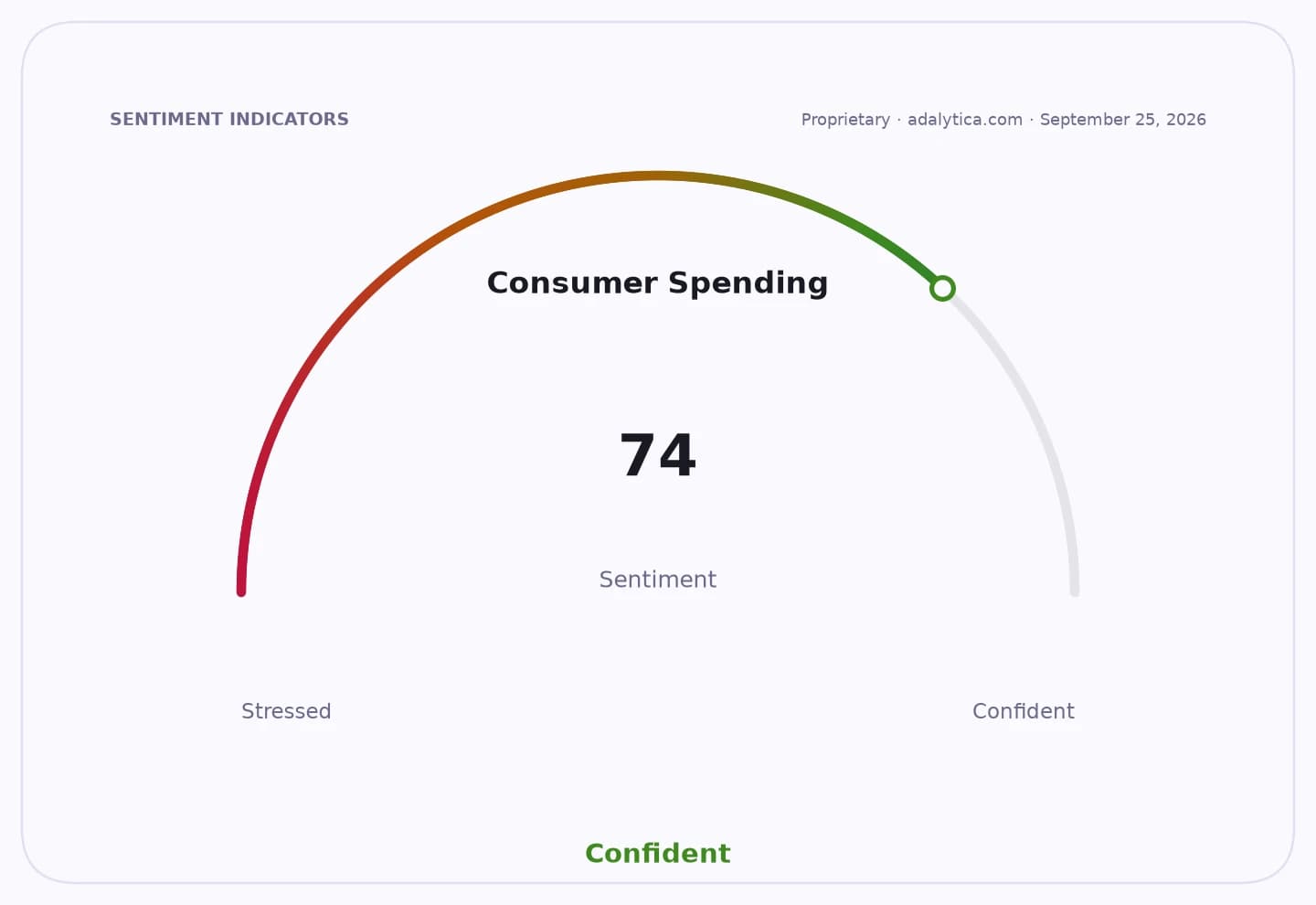
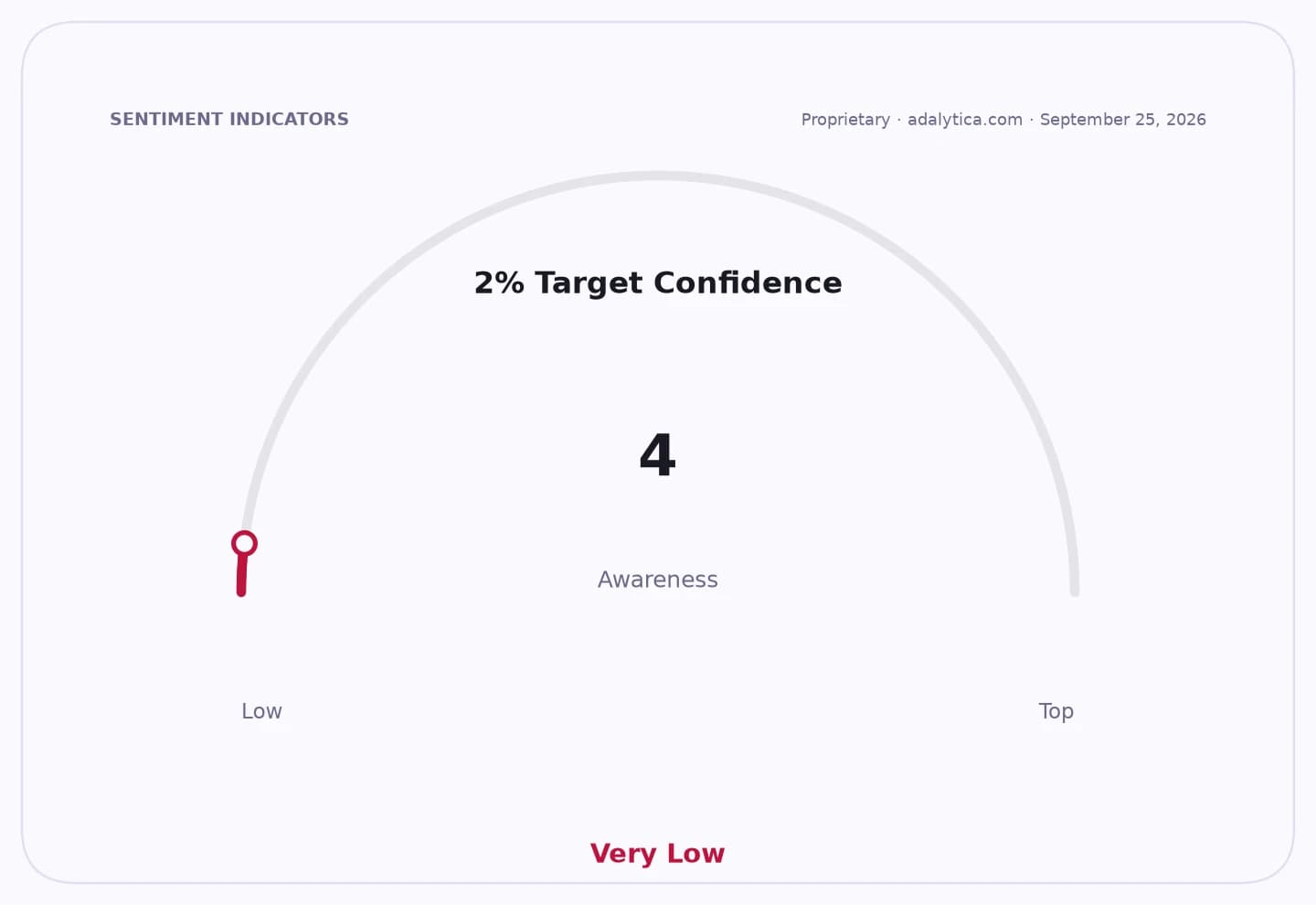
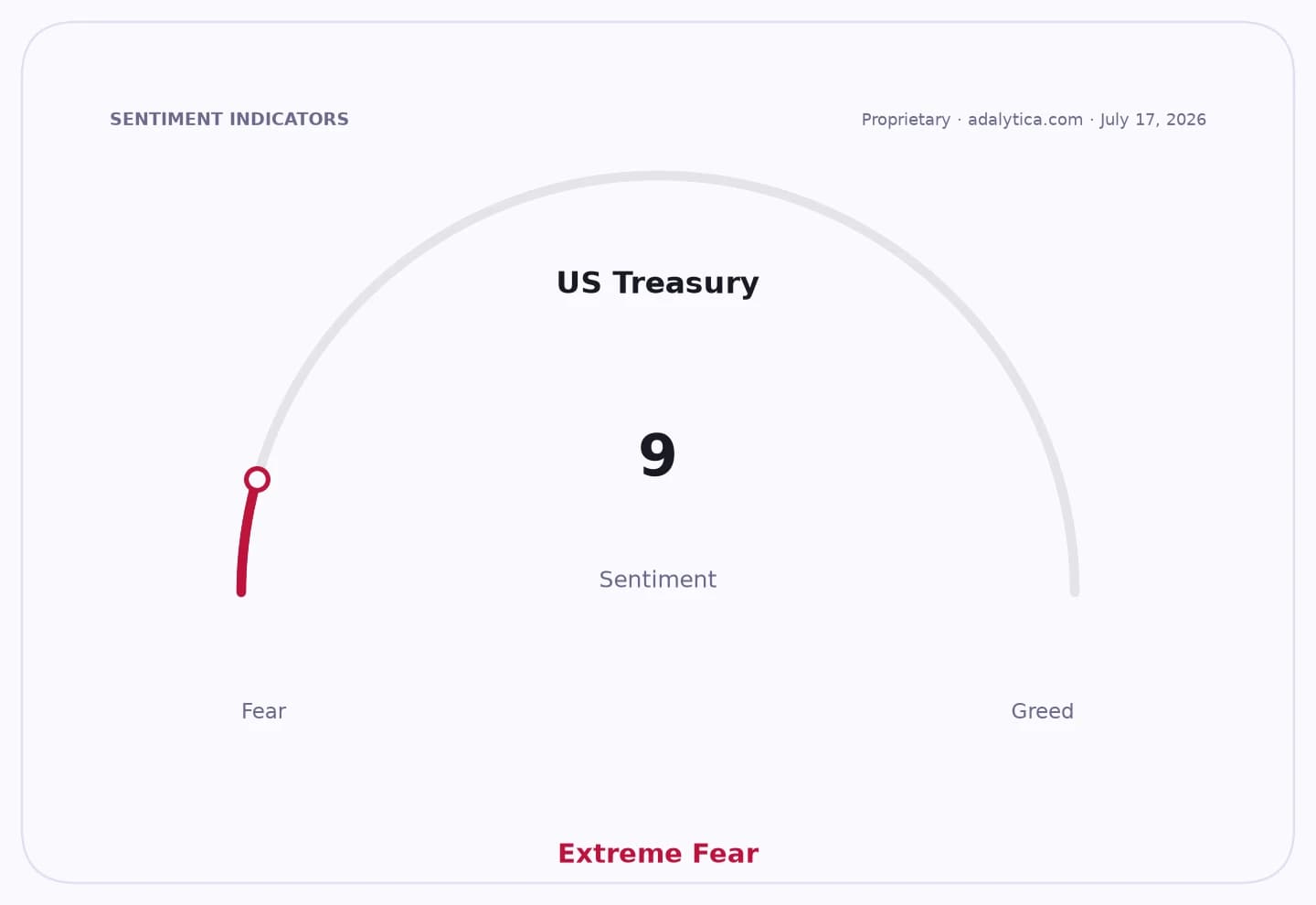
The broader market backdrop is mixed but still supportive of risk appetite. Adalytica’s S&P 500 trade signal shows greed at 73 with fear in awareness at 23, a combination that suggests investors are not pricing a deep consumer-credit stress event. Treasury-bond sentiment, by contrast, sits in extreme fear, implying the market is still wary of duration risk and not yet fully convinced inflation is beaten. That tension matters for borrowers because it delays a clean fall in long-term rates that would make refinancing easier.
For households, the practical takeaway is simple: the fastest route out of debt is not to slash essentials, but to avoid new high-rate borrowing, build a small cash buffer, and attack cards and other variable-rate balances before installment debt. The bull case is that easing inflation and a still-solid job market allow gradual deleveraging without financial distress. The bear case is that sticky prices, slower wage growth and tighter credit keep balances elevated and force more households into minimum-payment traps.
The next catalyst is whether lower policy rates actually filter through to consumer borrowing costs, or whether lenders keep spreads wide because credit risk remains elevated. Until that happens, debt reduction will depend less on macro relief than on disciplined cash allocation.
| Entity | Gains | Losses |
|---|---|---|
| Households with high-rate debt | ▲Lower interest burden | ▼Slower deleveraging if costs stay high |
| Credit-card lenders | ▲Higher yields on revolving balances | ▼Rising delinquencies and charge-offs |
| Essential spending categories | ▲Protected budgets | ▼Less room for discretionary cuts |
| Treasury bulls | ▲Demand for safety | ▼Upward pressure from sticky inflation |