Credit risk has continued to reward bond investors, and the latest market data show why Larry Swedroe’s argument still resonates: borrowers have been resilient, defaults have stayed contained and investors who reached for yield in high-yield credit have collected income without taking the kind of losses that usually come with a true credit downturn.
High-Yield Bonds Hold Up as Credit Risk Pays
That matters because in fixed income, return often comes from two places: the coupon you collect and whether the market starts pricing in more or less default risk. When credit spreads are stable or narrowing, investors can earn the yield pickup from lower-quality bonds without giving much of it back in price declines. That has helped make credit risk a paying proposition instead of a trap, at least for now.
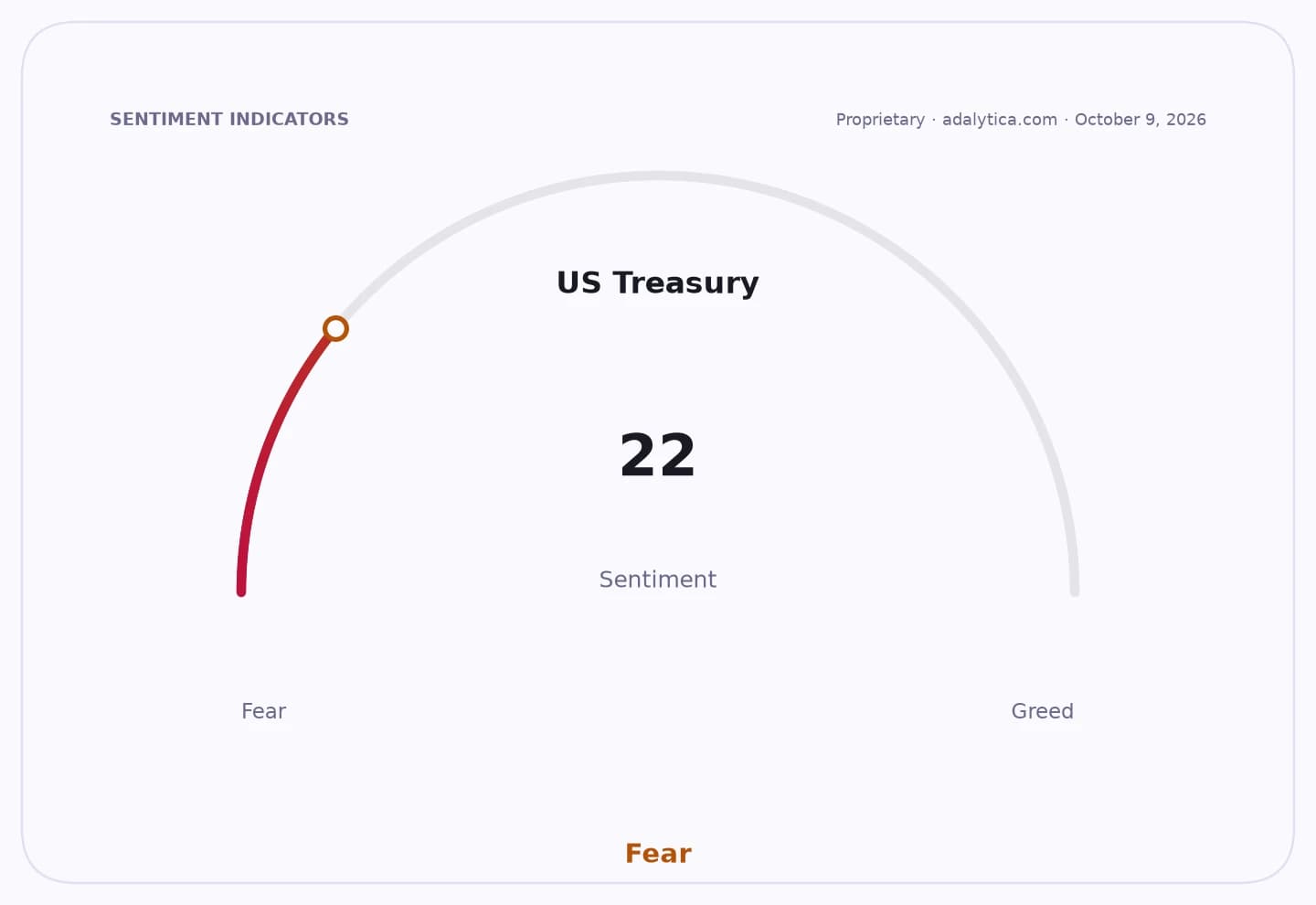
Sentiment IndicatorsⓘProprietary · adalytica.com · October 9, 2026
This is a snapshot — live sentiment, awareness and momentum for 130+ markets update continuously in the dashboard.Open AlphaPulse
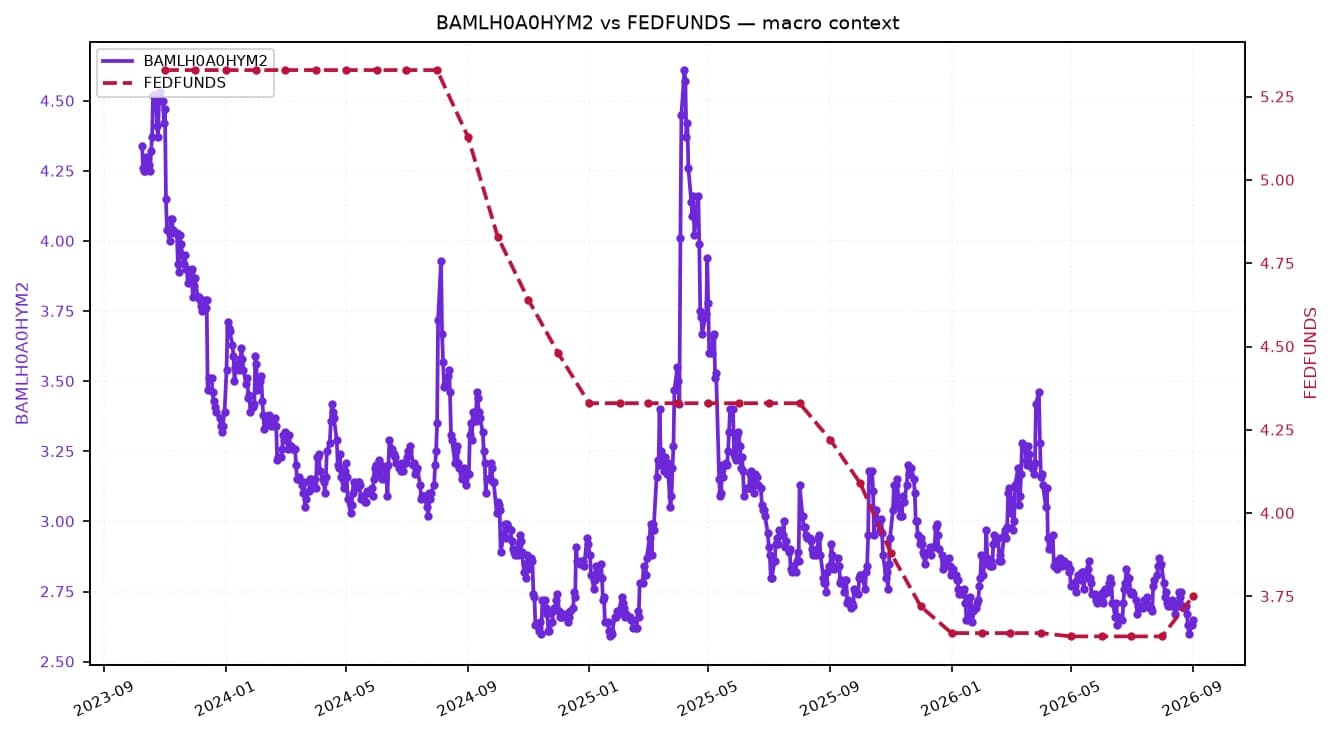
The backdrop is a bond market that still looks orderly despite a higher-rate world. The federal funds rate is forecast around 3.726%, while the 10-year Treasury yield is sitting near 5.3% in the latest forecast. That combination keeps all-in yields elevated, which is attractive for income investors, but it also means credit markets have to do more heavy lifting to justify taking extra risk. So far, they have.
High-yield bond funds have reflected that uneasy balance. The iShares iBoxx $ High Yield Corporate Bond ETF, or HYG, recently traded around 77.14, only slightly below its 50-day moving average of 78.31 and 200-day average of 77.9. Its RSI near 25.7 points to a stretched short-term setup, but not necessarily a broken market. The SPDR Bloomberg High Yield Bond ETF, JNK, was also hovering just under its 50-day and 200-day averages, suggesting investors have not rushed for the exits even as rate volatility persists.
That relative stability is exactly why credit risk has paid off: investors have been compensated for taking it. In a world where cash still pays and government yields remain high, the bar for high-yield debt is higher than it was during the easy-money era. Yet the fact that high-yield bonds have held together tells you the economy has not rolled over in a way that would force widespread downgrades or defaults.
For long-term investors, the lesson is straightforward. Credit risk can be rewarding, but only when the economy is healthy enough to keep losses low and spreads from blowing out. That argues for discipline, diversification and patience rather than a blind chase for yield. The best place for credit exposure is still as one part of a broader portfolio, not as a substitute for it. Investors willing to own a diversified mix of bonds and stocks over 3 to 10 years may still find credit useful, but they should remember that the payoff comes from being paid to wait, not from assuming risk disappears.
| Entity | Gains | Losses |
|---|---|---|
| High-yield bond investors | ▲Higher income | ▼Less upside if spreads tighten |
| Credit issuers | ▲Easier refinancing | ▼Higher borrowing costs than Treasuries |
| Treasury bondholders | ▲Relative safety | ▼Lower yield pickup |
| Risk-averse investors | ▲Capital preservation | ▼Missed carry from credit risk |