A cooler rate backdrop is making the hunt for the best high-yield savings accounts more urgent, because the gap between a dead cash balance and a competitive online yield still runs into hundreds of dollars on a modest emergency fund.
High-Yield Savings Rates Stay Attractive as Fed Cuts

That is the investing case underneath the consumer checklist. The Federal Reserve has already cut rates three times in 2025, and with markets now pricing a slower easing path in 2026, deposit yields are likely to drift lower rather than collapse. But even if the next move is gradual, savers who leave money in a checking account paying 0.01% APY are effectively donating the spread to the bank. On $10,000, that means about $1 a year. Move the same balance into a leading HYSA and the return jumps to roughly $300 to $400, with no added risk-taking and no need to time the market.
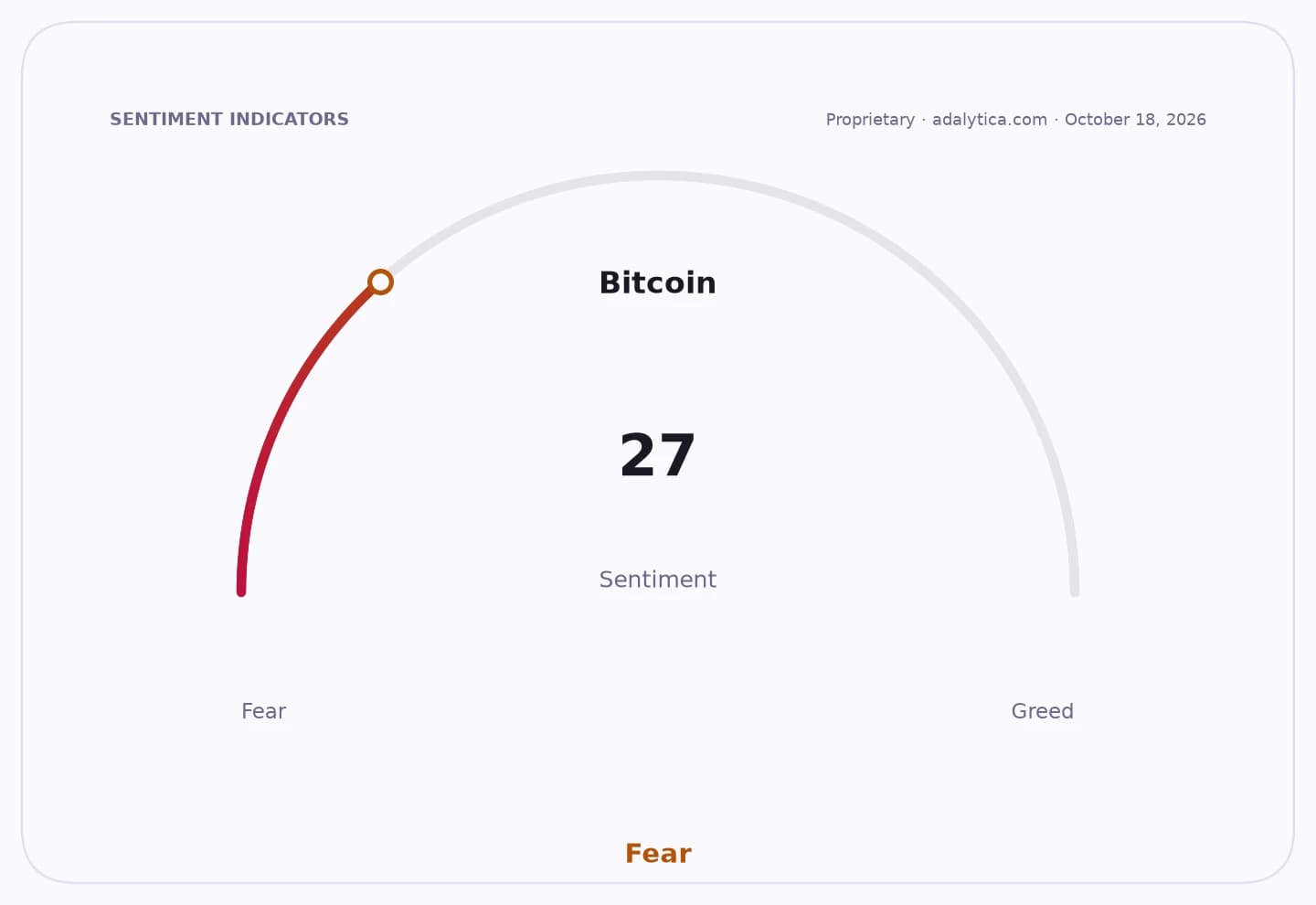
Sentiment IndicatorsⓘProprietary · adalytica.com · October 18, 2026
This is a snapshot — live sentiment, awareness and momentum for 130+ markets update continuously in the dashboard.Open AlphaPulse
That spread matters economically because it is a direct transfer of income from households to balance-sheet lenders and online deposit platforms. In a world where inflation is still running above the Fed’s comfort zone and short-term rates remain elevated by historical standards, cash is once again a productive asset class. The best HYSAs in the market are still offering about 4.00% to 4.50% APY, versus a national average savings rate around 0.37%. That is the kind of difference that reshapes household behavior, especially for emergency funds, tax reserves and down-payment savings.
For investors, the story is not just about better consumer returns. It is about where bank funding, customer acquisition and net interest income are headed as rate cuts work through the system. Online banks and diversified financials that can still attract sticky deposits with attractive APYs have an edge. Traditional banks with complacent savings pricing risk losing balances to higher-yielding rivals, while lenders with low-friction digital platforms can use teaser rates and bonuses to build relationships that later cross-sell into checking, brokerage and lending products.
DGS2 vs FEDFUNDS — macro contextadalytica.com
Explore this data interactively — full history, time series and cross-market comparisons.Open AlphaPulse
That is why the names on this year’s list matter. American Express offers a high-trust, no-fee online savings product that suits larger balances. SoFi is using rate boosts and direct-deposit requirements to pull customers deeper into its banking ecosystem. Openbank, backed by Santander, is leaning on a strong brand and a 4% base APY with a promotional boost. Barclays, Synchrony and E*TRADE are targeting savers who want straightforward yields without minimum-balance games. Raisin’s partner-bank model shows how deposit marketplaces are turning yield shopping into a distribution channel, while tiered products like CIT’s Platinum Savings remind savers that headline rates can hide balance thresholds that reduce real returns.
The macro setup is still supportive, but not permanently so. Treasury yields remain above the levels that prevailed for much of the last decade, and bond-market signals suggest investors expect slower growth and lower policy rates ahead. That means today’s 4%-plus offers may be among the last attractive entry points before the savings-rate cycle resets lower. For households, the action is simple: stop treating idle cash as a convenience item and start treating it as an asset that deserves a return. For investors, the opportunity is to favor banks and financial platforms that can defend deposits, pay up selectively, and monetize sticky customers before the next leg down in rates arrives.
| Entity | Gains | Losses |
|---|---|---|
| Online banks | ▲More deposit inflows | ▼Traditional bank pricing power |
| Savers | ▲Higher cash yields | ▼Cash left in checking |
| Large banks | ▲Lower funding costs if rates fall | ▼Deposits migrating to HYSAs |
| HYSA providers | ▲Customer acquisition and cross-sell | ▼Fee-heavy rivals |