U.S. savings accounts are still paying close to 3.20% at the top of the market, a sign that banks are fighting harder for deposits even as the Federal Reserve has begun easing policy and Treasury yields remain elevated.
U.S. Savings Accounts Near 3.20% as Banks Compete

That matters because it keeps household cash attractive at a time when many consumers are still sitting on large balances and looking for yield without taking market risk. Openbank is offering 3.20% TIN for 12 months, while Trade Republic pays 3.0% TIN indefinitely, Bankinter offers 2.96% TIN and Sabadell 2.72% TIN, all in products marketed as easy-access accounts rather than locked deposits.
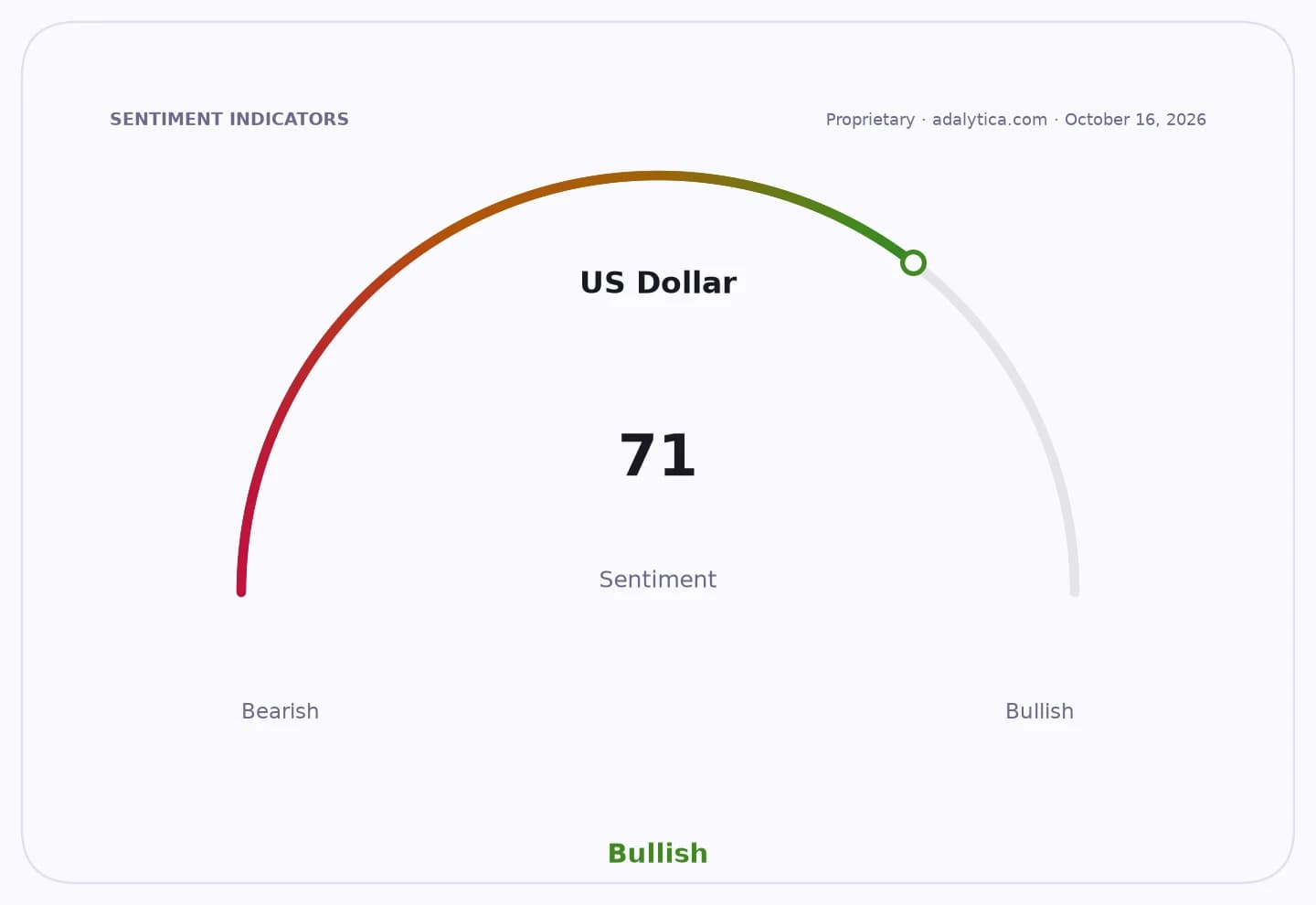
Sentiment IndicatorsⓘProprietary · adalytica.com · October 16, 2026
This is a snapshot — live sentiment, awareness and momentum for 130+ markets update continuously in the dashboard.Open AlphaPulse
The competition is being driven by the still-high backdrop for money markets and government bonds. The 2-year U.S. Treasury yield is forecast at 4.804% for Oct. 16, while the 10-year is seen around 5.105%, levels that keep banks under pressure to offer meaningful returns if they want to hold or attract balances.
For investors, the bigger story is margin pressure on deposit franchises. Higher savings rates can support customer retention at lenders such as JPMorgan Chase and Bank of America, but they also raise funding costs and can squeeze net interest income if banks are slow to reprice loans or if deposit competition intensifies.
The product mix also shows how banks are using perks and fine print to win accounts. Openbank links its offer to Bizum and a 12-month term, Bankinter ties its 2.96% rate to a balance cap of 100,000 euros and a salary deposit incentive, while B100’s 3.106% rate requires card spending and health-related conditions.
Trade Republic’s Spanish IBAN and automatic tax reporting remove a friction point for retail savers, widening the appeal of fintech-style cash products. That could keep pressure on traditional banks to defend deposits with higher advertised rates, especially if Treasury yields stay near current levels and the Fed continues to trim rates gradually.
| Entity | Gains | Losses |
|---|---|---|
| Savers | ▲Higher cash yields | ▼Lower return on idle deposits |
| Online banks | ▲Deposit growth | ▼Narrower funding spreads |
| Traditional banks | ▲Retention from product perks | ▼Margin pressure |
| Treasury yields | ▲Cash remains competitive | ▼Bond prices under pressure |