Global funds are supporting the dollar’s advance as US Treasury yields stay elevated and FX volatility signals point to a quieter market, reinforcing demand for the greenback even as some gauges show crowded fear. The move matters because it tightens global financial conditions, pressures emerging-market currencies and keeps dollar-sensitive assets under strain.
High US Yields Keep Dollar Bid

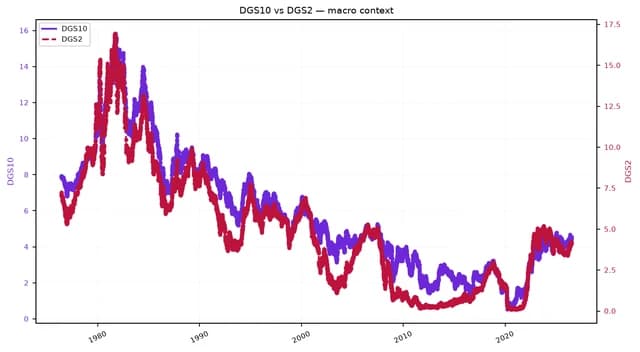
Benchmark US yields are offering the currency a stronger carry advantage. The 10-year Treasury yield is seen at 4.583%, with the two-year at 4.219%, levels that keep the dollar attractive versus low-yielding peers and help explain why capital continues to favor US assets.
Sentiment IndicatorsⓘProprietary · adalytica.com · July 13, 2026
This is a snapshot — live sentiment, awareness and momentum for 130+ markets update continuously in the dashboard.Open AlphaPulse
That backdrop is showing up in market sentiment data. Adalytica’s US dollar trade signals remain in “Fear” territory at 28, while awareness sits in “Extreme Fear” at 13, suggesting investors are still cautious but are increasingly positioned for further dollar strength after a sharp 7-day drop in sentiment readings. FX volatility signals are also in “Extreme Fear” at 15, implying traders expect less disorder even as the direction remains USD-supportive.
The macro implication is straightforward: a firmer dollar tends to tighten dollar funding conditions abroad, weigh on commodity prices priced in the currency and pressure borrowers with US-denominated debt. For central banks, that can complicate rate-cut plans and limit room to ease policy without risking imported inflation or capital outflows.
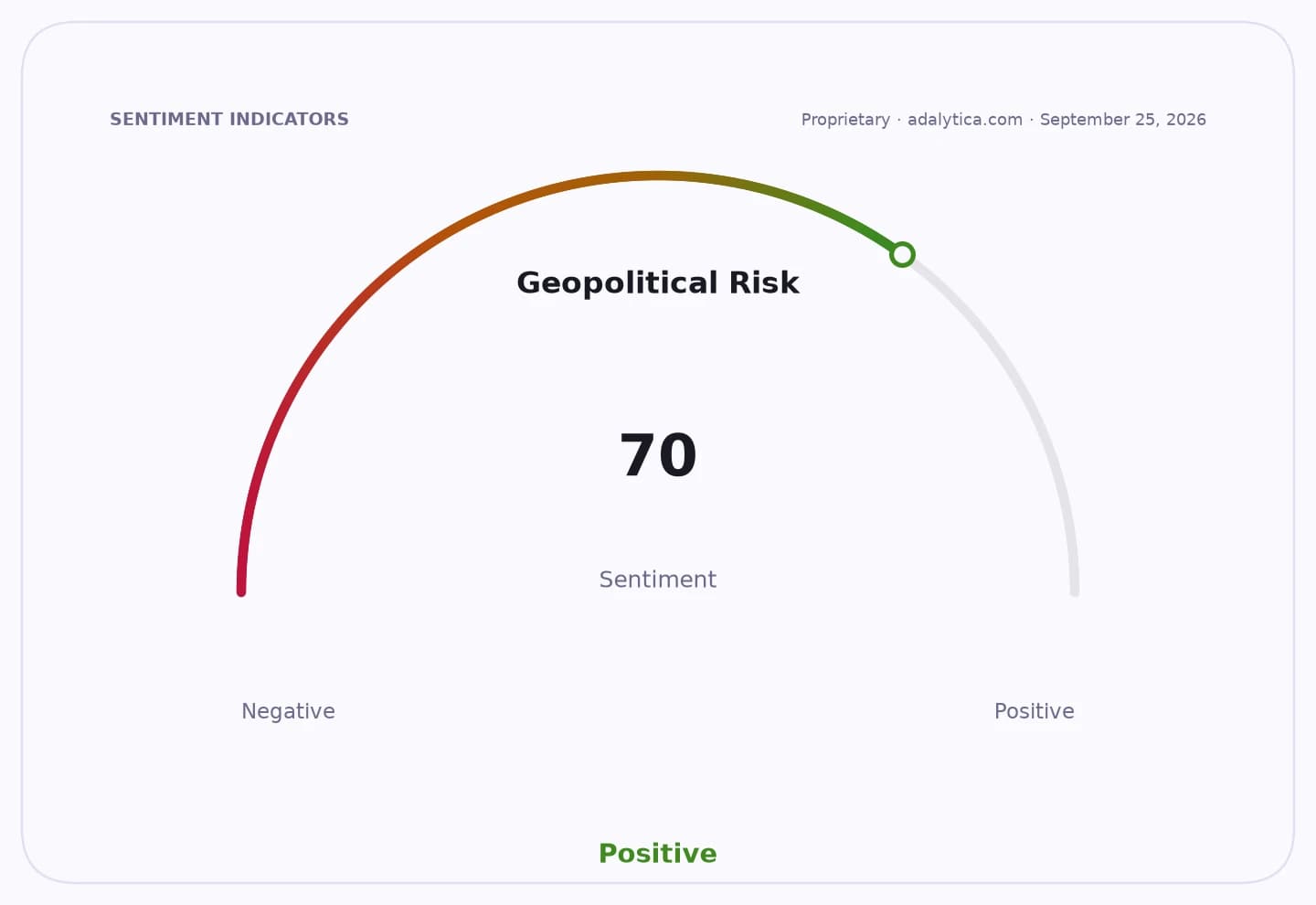
The current move also fits the broader yield-and-growth narrative. Rising oil prices are adding to the dollar’s appeal through inflation expectations and higher nominal yields, while geopolitically driven risk aversion keeps global stability sentiment weak. Adalytica’s global stability gauge is at 15, in “Extreme Fear,” underscoring why funds remain biased toward the dollar as a relative safe haven.
For investors, that means continued headwinds for non-US equities, overseas earnings translated back into dollars and currencies such as the won, euro and yen unless local policymakers push back with their own tightening or intervention. The Bank of Korea’s signal that the won could rebound on a large current-account surplus shows how some countries are trying to argue for currency support, but for now the market is still rewarding US yield and safety.
The key catalyst from here is the next batch of US inflation, jobs and Fed commentary, which will determine whether Treasury yields stay high enough to keep global funds parked in dollars or whether the greenback’s rally starts to lose momentum.
| Entity | Gains | Losses |
|---|---|---|
| US dollar | ▲Safe-haven inflows | ▼Short-dollar positions |
| US Treasury market | ▲Foreign demand | ▼Lower-yielding sovereign bonds |
| Emerging-market borrowers | ▲— | ▼Dollar funding costs |
| South Korean won | ▲Potential policy support | ▼Near-term dollar pressure |