The Treasury will raise its 2026 bond issuance plan to US$23.6 billion after approval of a new debt ceiling, increasing the government’s reliance on capital markets at a time when global borrowing costs remain elevated.
Higher Bond Issuance Raises Auction Risk

The higher ceiling removes an immediate legal constraint on borrowing but shifts the focus to execution: how much investors will demand in yield to absorb a larger sovereign debt pipeline. For the economy, the expanded issuance plan gives the government room to refinance obligations and fund spending, while also raising the risk that debt-service costs consume a larger share of public finances.
Sentiment Indicators

The timing is sensitive. Benchmark U.S. Treasury yields, a reference point for dollar funding globally, remain near multi-year highs, with the 10-year yield at 4.54% on July 9 and forecast at 4.578% on July 10. The two-year yield stood at 4.16%, leaving the 10-year/two-year curve positive at about 38 basis points, a sign investors are demanding more compensation for longer-term debt.
That matters for sovereign issuers because a larger bond program can collide with tighter global liquidity. If investors view the debt-ceiling increase as a sign of rising fiscal risk rather than prudent financing flexibility, the Treasury may have to pay higher coupons to clear auctions. That would raise benchmark borrowing costs for banks, companies and households, feeding through to loans, mortgages and corporate funding.

Market pricing already shows caution toward longer-duration bonds. The iShares 20+ Year Treasury Bond ETF closed at $84.47 on July 10, below its 50-day moving average of $85.00 and 200-day moving average of $86.07, while its RSI reading fell to 30.4, a conventional technical level close to oversold territory. The medium-duration iShares 7-10 Year Treasury Bond ETF also traded below its 200-day moving average.
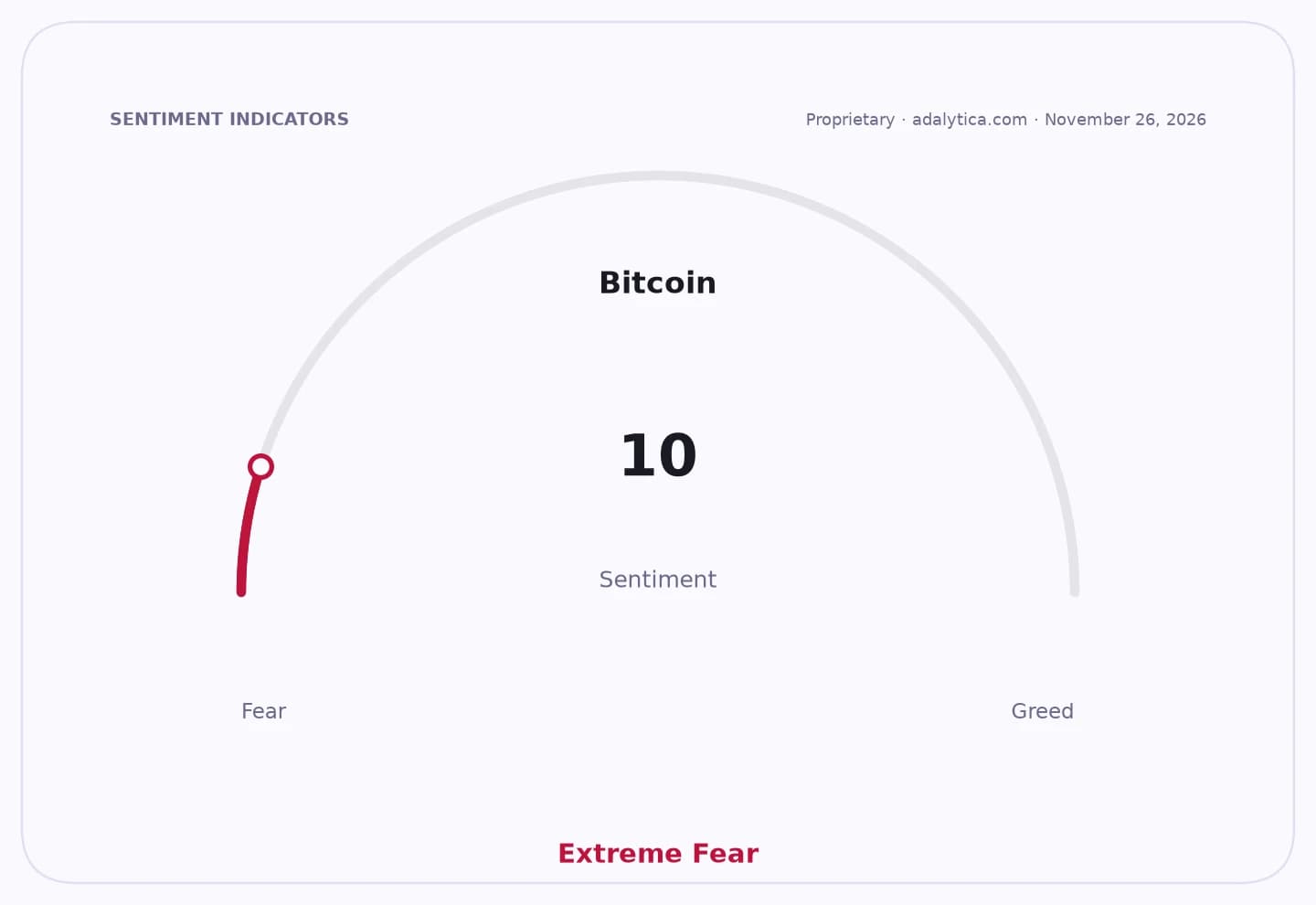
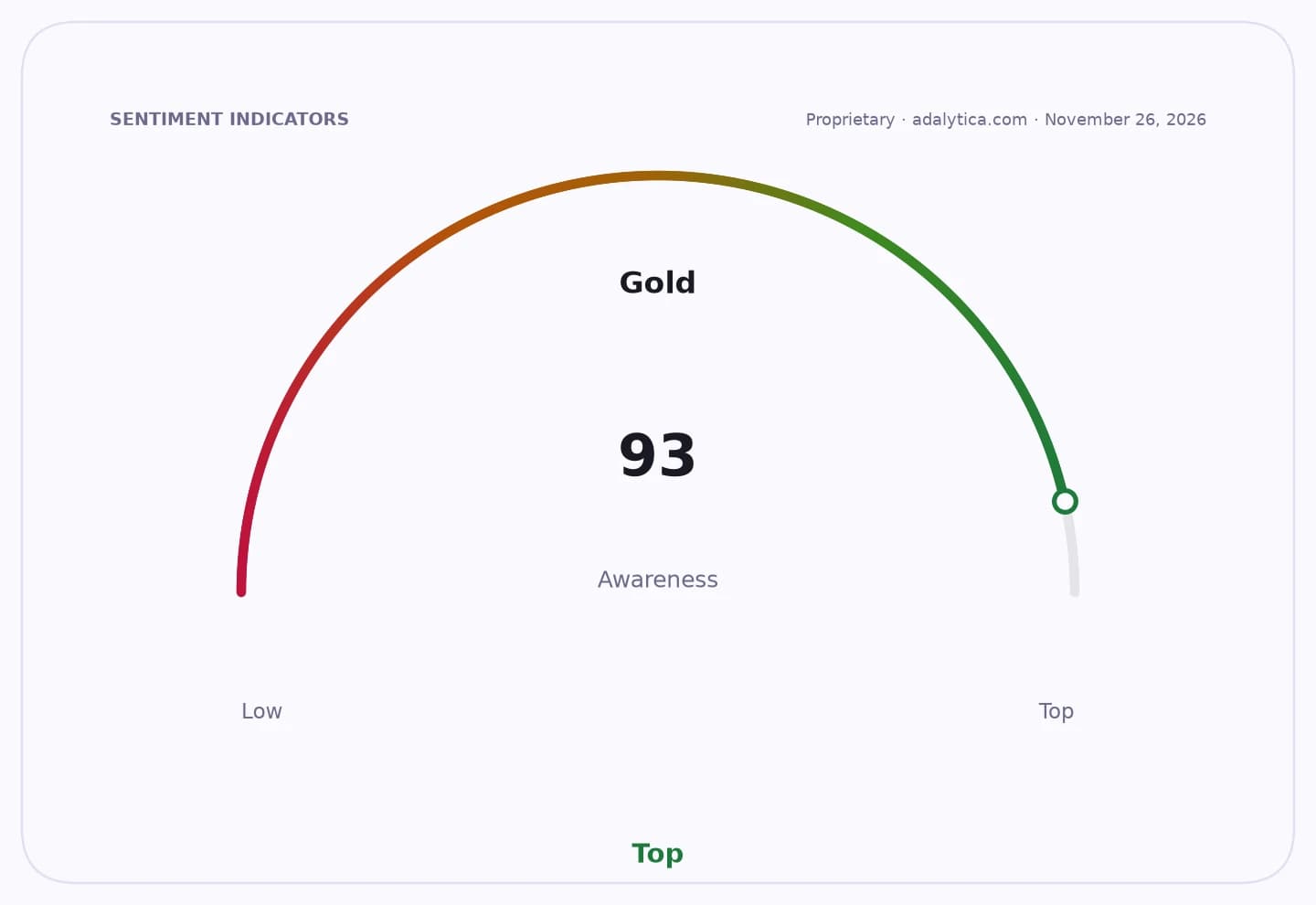
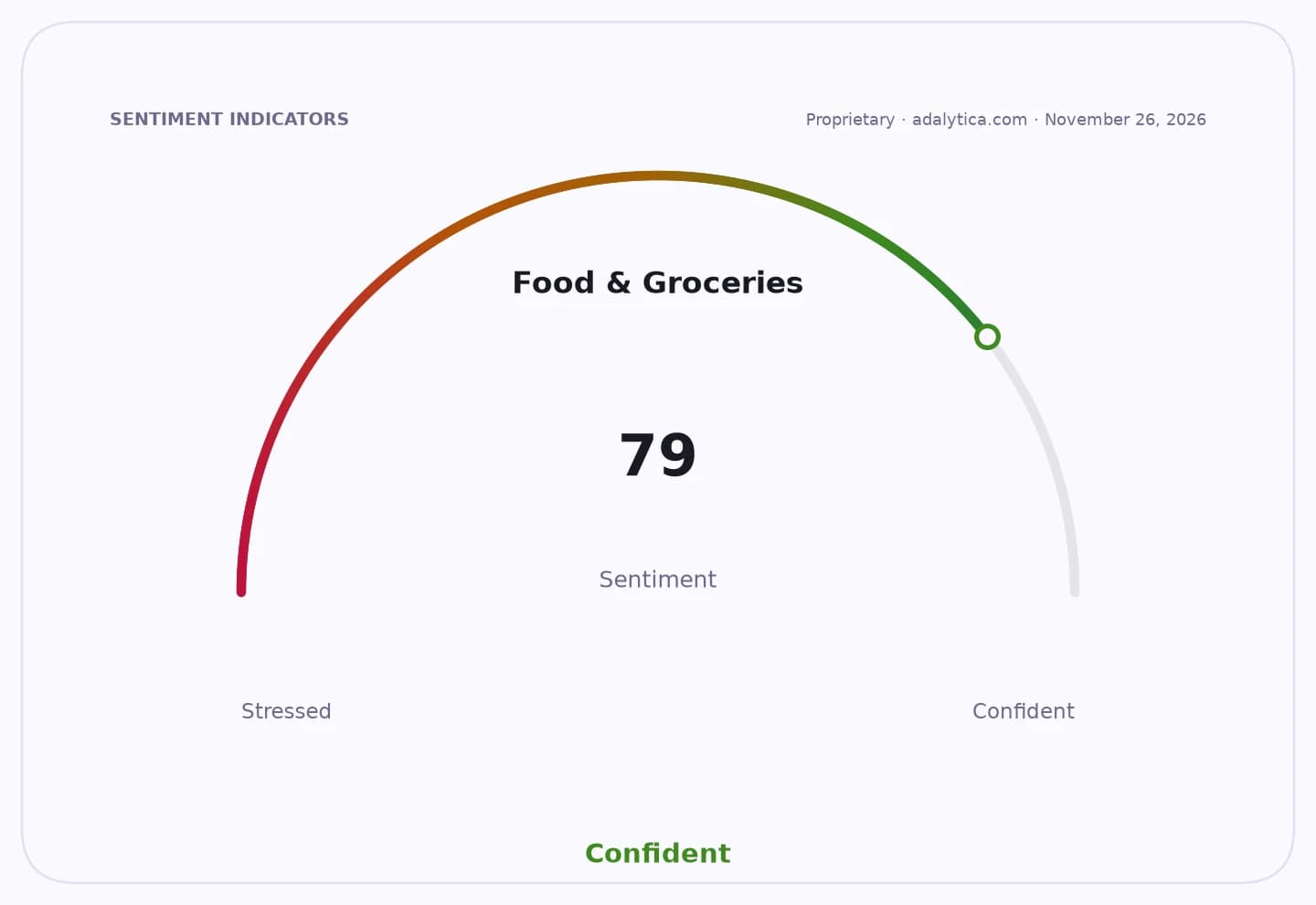
At the same time, proprietary indicators from Adalytica.com showed sentiment toward U.S. Treasury bonds at 91, labelled “Extreme Greed,” suggesting investors may still be looking for value in duration despite weak price action. Dollar sentiment was weaker, at 31 with awareness at “Extreme Fear,” underscoring uncertainty around the broader macro backdrop for dollar debt issuance.
For investors, the increased supply creates a clearer 2026 funding calendar but also raises auction-risk premiums. Bondholders will watch whether demand from domestic institutions, foreign reserve managers and real-money accounts is strong enough to absorb the additional issuance without a sustained rise in yields. Equity investors will focus on whether higher sovereign funding costs crowd out private investment or tighten financial conditions.
The broader narrative is one of fiscal flexibility bought at a price. The new debt ceiling gives the Treasury authority to borrow more, but the market will determine how costly that authority becomes. If yields stay near current levels, the US$23.6 billion plan could deepen concerns over debt sustainability and make every auction a test of investor confidence.
| Entity | Gains | Losses |
|---|---|---|
| Treasury | ▲More financing room | ▼Higher interest burden |
| Bond investors | ▲Greater supply and yield | ▼Mark-to-market risk |
| Taxpayers and borrowers | ▲Continued public funding | ▼Costlier credit conditions |