An 1899 San Antonio home designed by the architect behind the McNay Art Museum is coming to market just as housing affordability, mortgage rates and travel demand are sending mixed signals across the real estate economy.
Historic San Antonio Home Highlights Scarcity Premium
For investors, that combination matters because residential and hospitality property values do not move in a vacuum. They are shaped by financing costs, local supply-demand balances and the willingness of buyers to pay for uniqueness. In Texas, where growth has been a powerful tailwind for housing, even a one-off historic property can offer a useful read on how affluent buyers are behaving when borrowing costs stay elevated.
Sentiment IndicatorsⓘProprietary · adalytica.com · July 18, 2026
This is a snapshot — live sentiment, awareness and momentum for 130+ markets update continuously in the dashboard.Open AlphaPulse
The broader housing picture is still choppy. National home prices remain far above pre-pandemic levels, with the Case-Shiller index at 332.678 in April, more than five times the level recorded in the late 1980s. Yet Houston home sales, as tracked in the data here, are forecast to slip 6.57% in July after a volatile stretch that saw a sharp June rebound. That kind of uneven activity suggests buyers are still selective, especially at the margin where financing costs bite hardest.
Rates remain a central part of the story. The 10-year Treasury yield was around 4.56% in the latest reading, a level that keeps mortgage costs restrictive by historical standards and makes cash buyers and high-net-worth buyers more important in the market. That is especially relevant for a historic San Antonio residence, where the appeal is less about square footage alone and more about architecture, provenance and scarcity.
That scarcity is the real investment thesis behind homes like this one. Properties tied to a notable architect often command a premium because they offer something that cannot be replicated: cultural cachet, design pedigree and long-term collectability. Buyers in that niche are usually less sensitive to broad affordability pressures than the average homeowner, which can help support pricing even when the wider market softens.
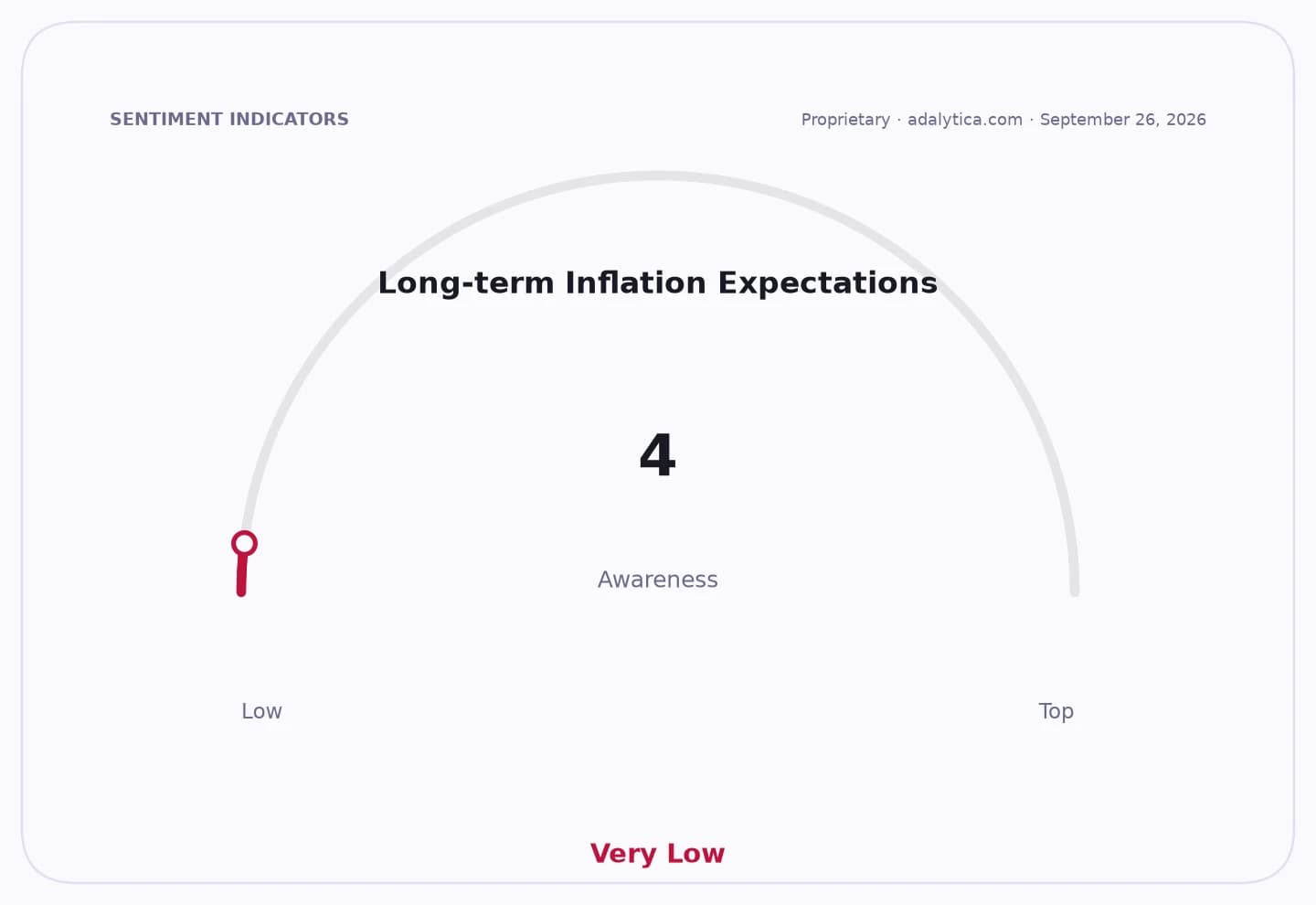
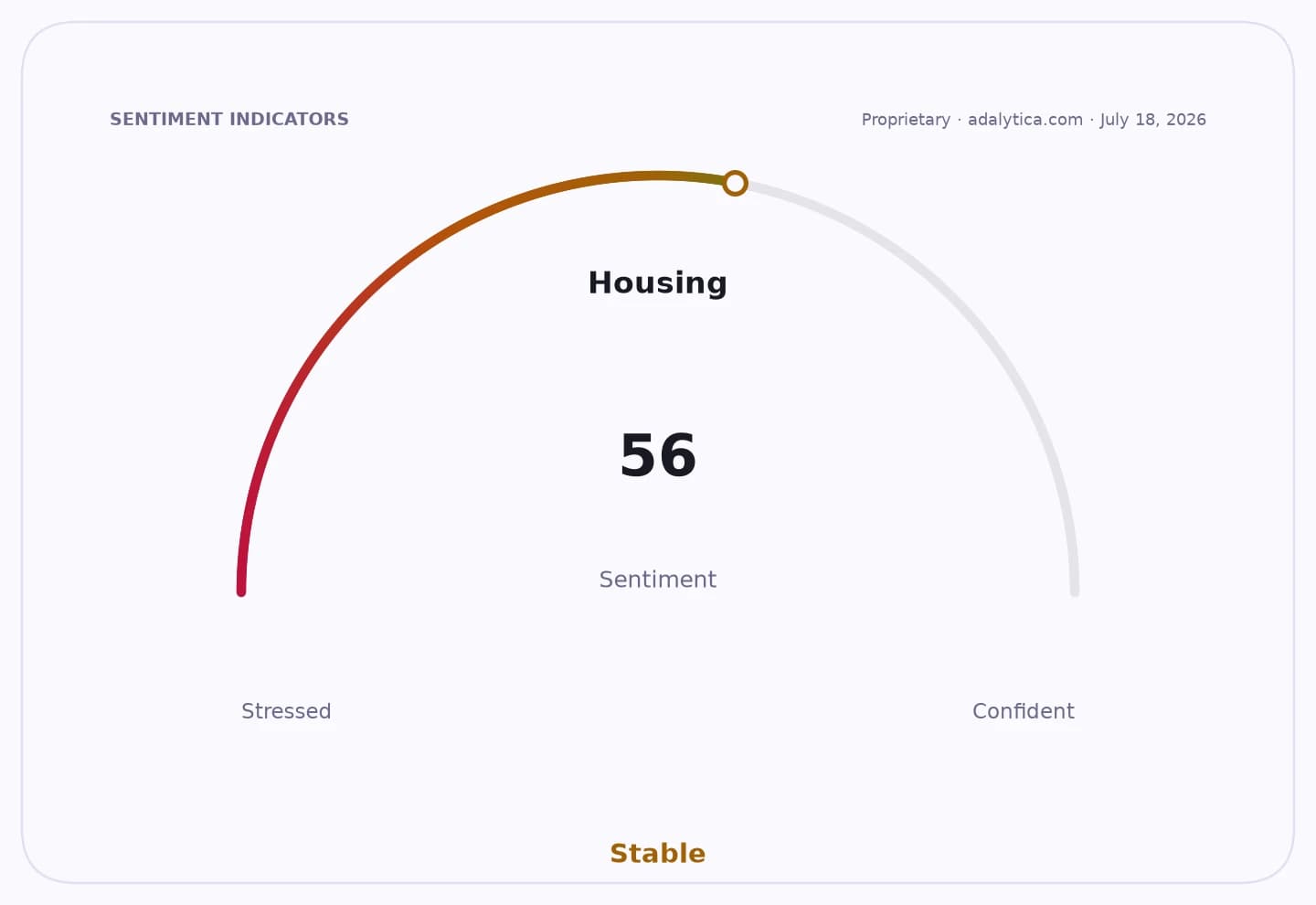
There is also a broader Texas angle. The state has benefited from population growth, business migration and steady demand for distinctive properties in major metros. But the data here shows a market that is no longer running on autopilot. Housing sentiment from Adalytica’s HOURE gauge is neutral, while awareness is in fear territory, a sign that buyers and sellers are paying close attention to costs and timing rather than rushing in.
For long-term investors, that argues for patience, not heroics. Historic homes are not liquid assets, and they are certainly not for everyone. But in a market where rates remain elevated and buyers are choosier, rare properties with architectural pedigree can hold their own better than commodity housing. The lesson is simple: scarcity still matters, and in real estate, that is often where durable value begins.
| Entity | Gains | Losses |
|---|---|---|
| Historic-home sellers | ▲Scarcity premium | ▼Lower buyer pool |
| Affluent cash buyers | ▲Unique asset access | ▼Financing sensitivity |
| Realtors/estate agents | ▲Niche commission opportunity | ▼Slower transaction pace |
| Average homebuyers | ▲None | ▼Higher borrowing costs |