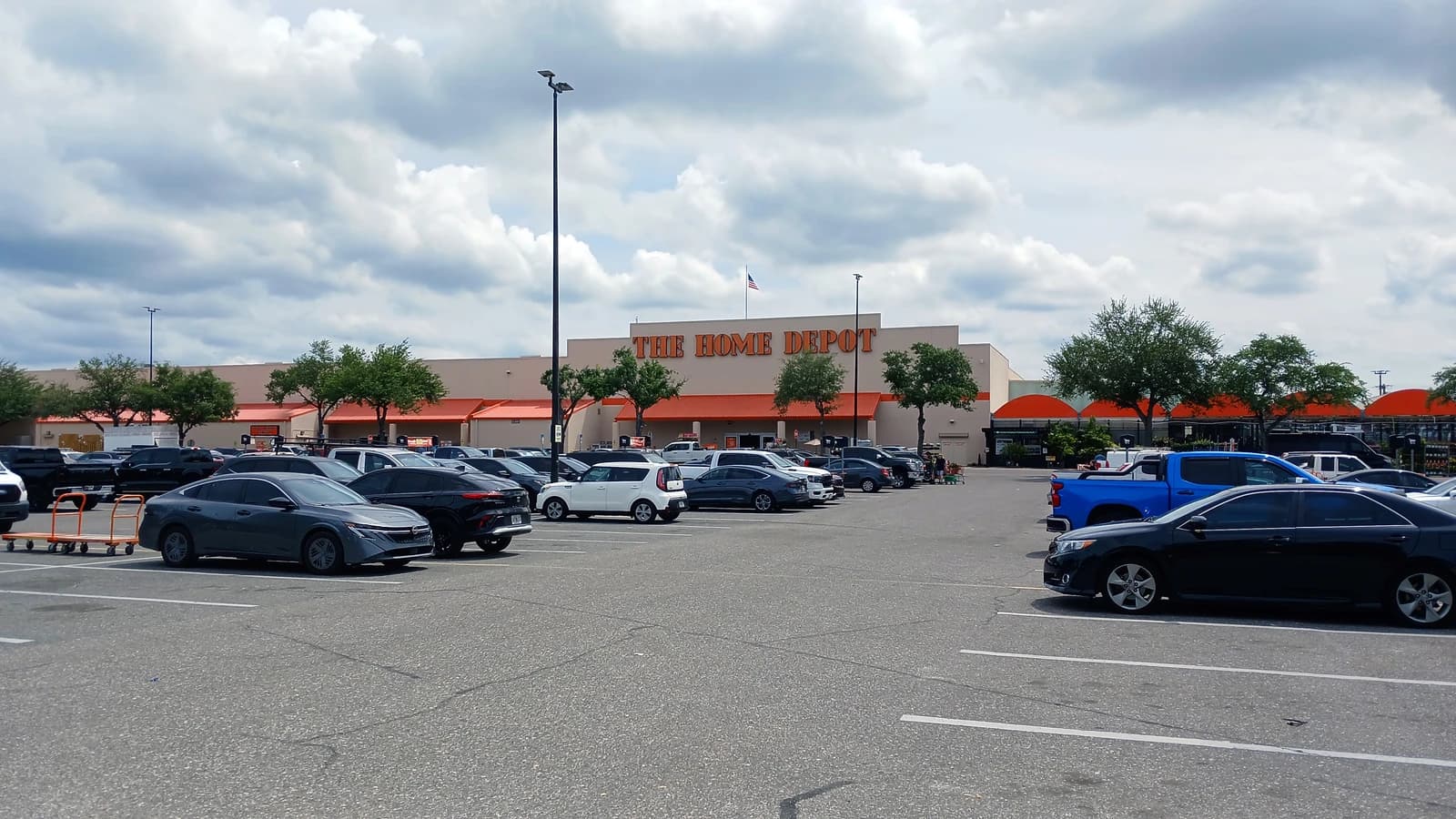
Home Depot and Walmart are offering investors two very different ways to play a cautious consumer in 2026: one tied to a possible recovery in housing and home-improvement spending, the other to steadier demand for groceries and household basics.
Home Depot and Walmart Consumer Play in 2026
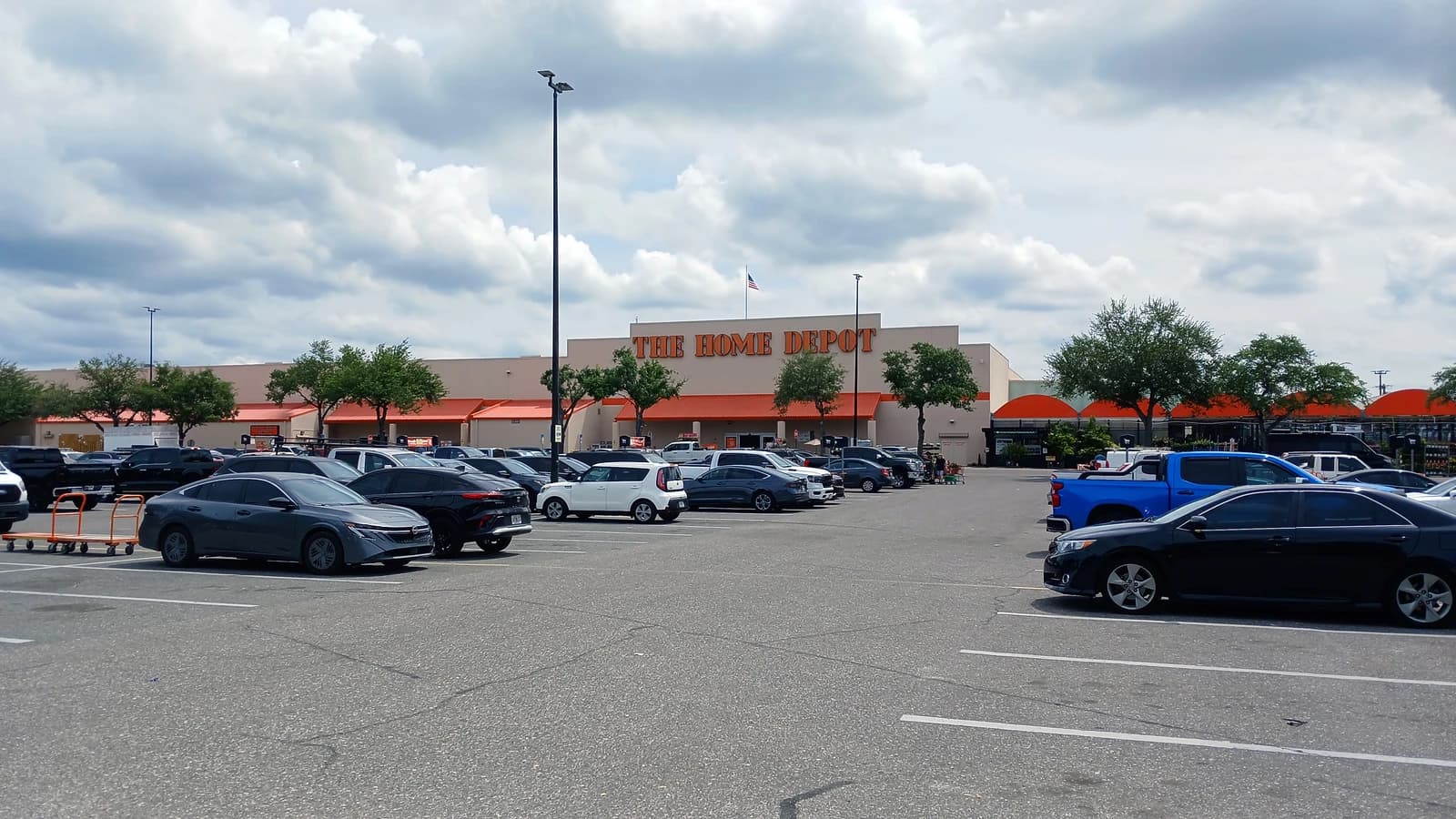
That contrast matters because the next leg of consumer equity performance is likely to be driven less by top-line scale than by how durable earnings growth proves to be as shoppers remain pressured and inflation, tariffs and fuel costs keep distorting margins. In that setting, Walmart’s consistency is easier to underwrite, but Home Depot’s depressed expectations and exposure to a later-cycle housing rebound may offer more upside if spending improves.
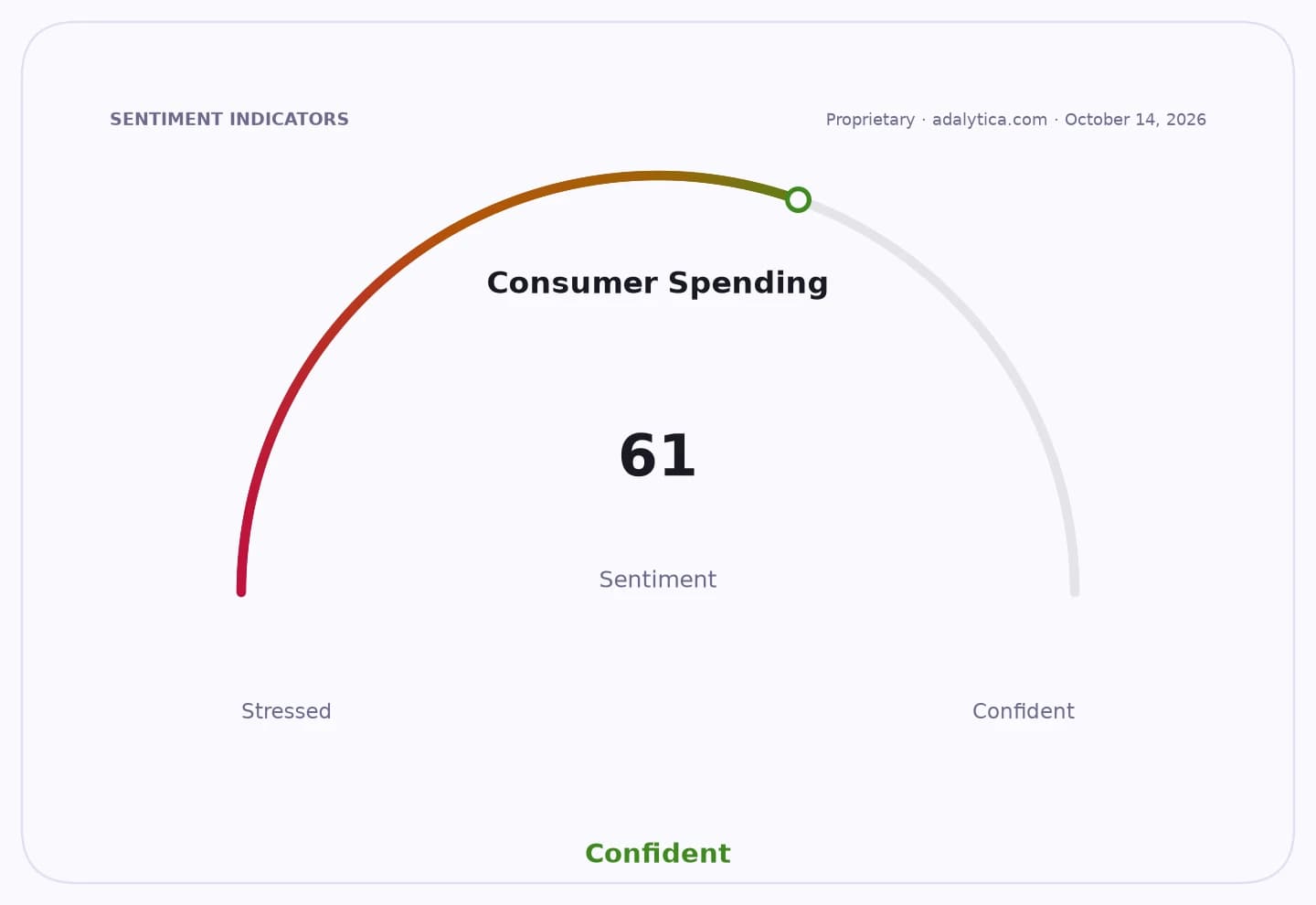
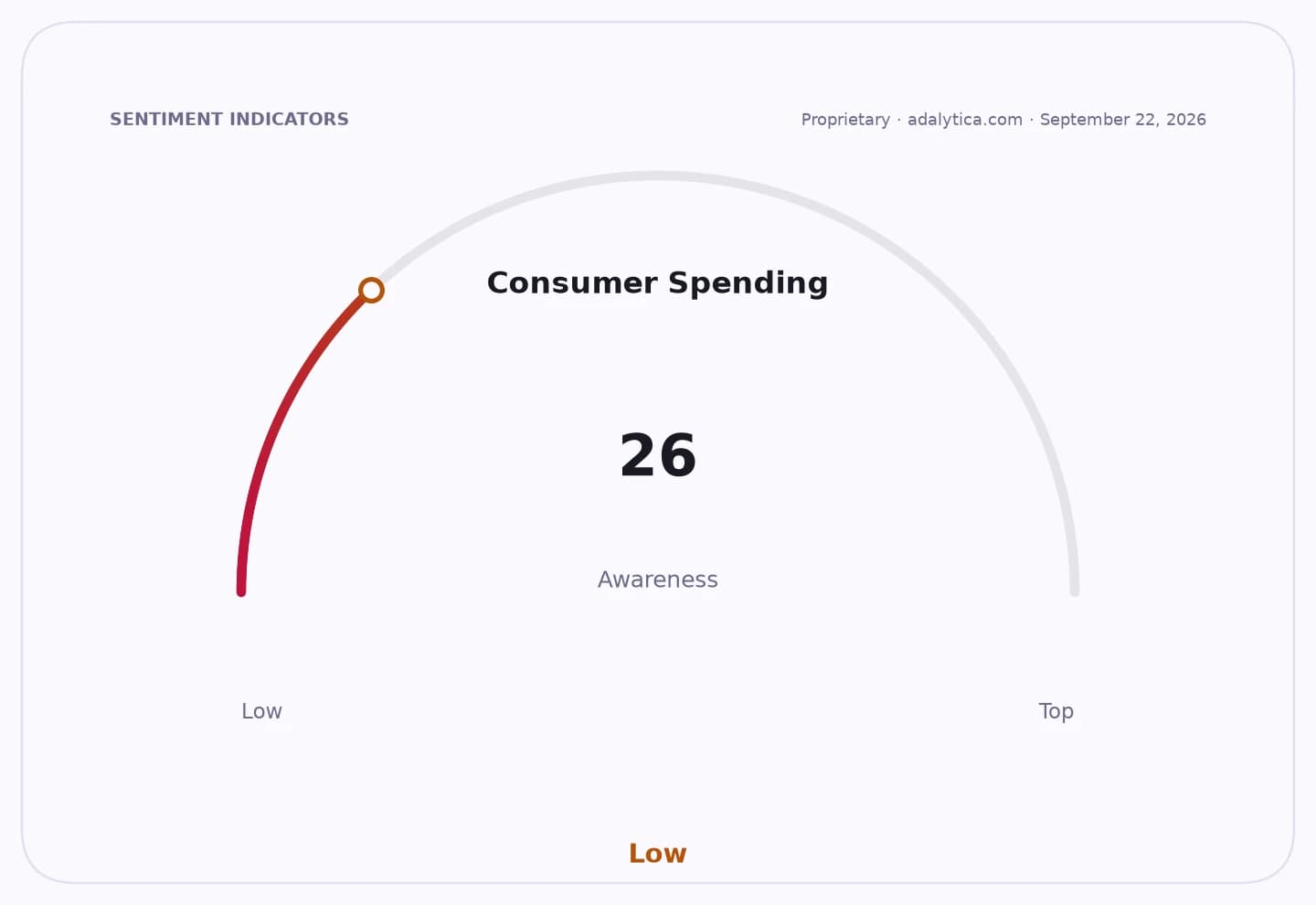
Sentiment IndicatorsⓘProprietary · adalytica.com · October 19, 2026
This is a snapshot — live sentiment, awareness and momentum for 130+ markets update continuously in the dashboard.Open AlphaPulse

Home Depot is the more cyclical bet. The company generated about $164.7 billion in fiscal 2025 revenue, up 3.2%, but net income fell 4.4% and adjusted earnings per share declined 3.6%, underscoring how modest demand and margin pressure can weigh on the business. Its latest full-year guidance calls for sales growth of just 2.5% to 4.5% and comparable sales of flat to 2%, a reminder that management itself is not forecasting a sharp rebound in do-it-yourself demand.
Still, the investment case rests on what could change rather than what is happening now. Home Depot’s second-quarter fiscal 2026 sales rose 5.7% to $47.9 billion, with comparable sales up 1.7%, while the company kept full-year guidance intact. It also has been shifting toward professional customers through SRS and GMS, a move that could make earnings less dependent on big-ticket DIY spending. Debt remains elevated, though it has improved: the debt-to-equity ratio fell to about 3.8 times by the second quarter from nearly 5.1 times at fiscal year-end, after almost $3 billion of debt reduction.
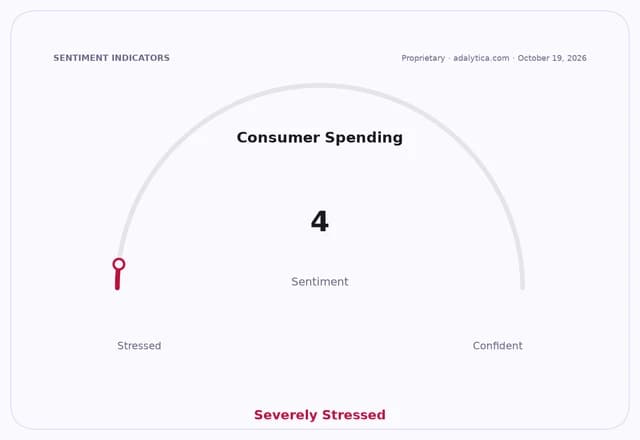
Walmart, by contrast, is still doing what the market expects it to do: take share in essentials, use scale to defend pricing and keep growing even in a choppy spending environment. Revenue rose 4.7% to nearly $713.2 billion in fiscal 2026, net income increased to about $21.9 billion and operating income rose 1.6% on a reported basis. In the most recent quarter, total revenue climbed 5.9% to $187.9 billion, global e-commerce sales jumped 23% and Walmart U.S. comparable sales excluding fuel rose 2.6%.
The catch is that a good part of Walmart’s latest earnings beat was flattered by about $2.9 billion of tariff refunds, which CFO John David Rainey said added roughly 750 basis points to operating income growth. Walmart also lifted its fiscal 2027 adjusted EPS outlook to $2.80 to $2.87, but warned of more than $2 billion in incremental fuel-related costs. That makes the company a quality compounder, but not an unqualified margin story.
Investors are also paying for the difference in business model. Home Depot trades at a lower multiple of forward earnings, while Walmart commands a richer valuation because of its steadier growth, stronger balance sheet and less cyclical earnings stream. That gap is why Home Depot is the more leveraged bet on an eventual improvement in housing-related spending, but Walmart remains the safer name if consumer strain persists.
Market signals are broadly consistent with that divide. Walmart’s shares have held above their 200-day moving average, while Home Depot has recovered from a weaker spring and summer but still trades below longer-term levels. The technical backdrop does not change the fundamental picture: Walmart is the defensive winner if consumer confidence remains weak, while Home Depot offers more torque if home-improvement activity and professional demand pick up into 2026.
For long-term investors, the choice comes down to time horizon and conviction. Walmart looks like the better near-term hold if the consumer stays stressed and shoppers keep trading down. Home Depot looks more attractive if one is willing to wait for housing, repair and remodeling demand to normalize and can tolerate more leverage and earnings volatility along the way.
| Entity | Gains | Losses |
|---|---|---|
| Walmart | ▲Steady essentials demand | ▼Limited valuation upside |
| Home Depot | ▲Housing rebound, pro growth | ▼Weak DIY spending |
| Consumers | ▲Lower prices on basics | ▼Tariff and fuel pressure |
| Shareholders | ▲Clearer winner if cycle turns | ▼Higher risk if slowdown persists |