A group of Dutch real estate agents is preparing to launch Homek on March 1, giving the country’s dominant housing portal Funda its first serious new challenger in years and reopening a long-running fight over pricing, control and oversight in the home-sales market.
Dutch agents launch Homek against Funda
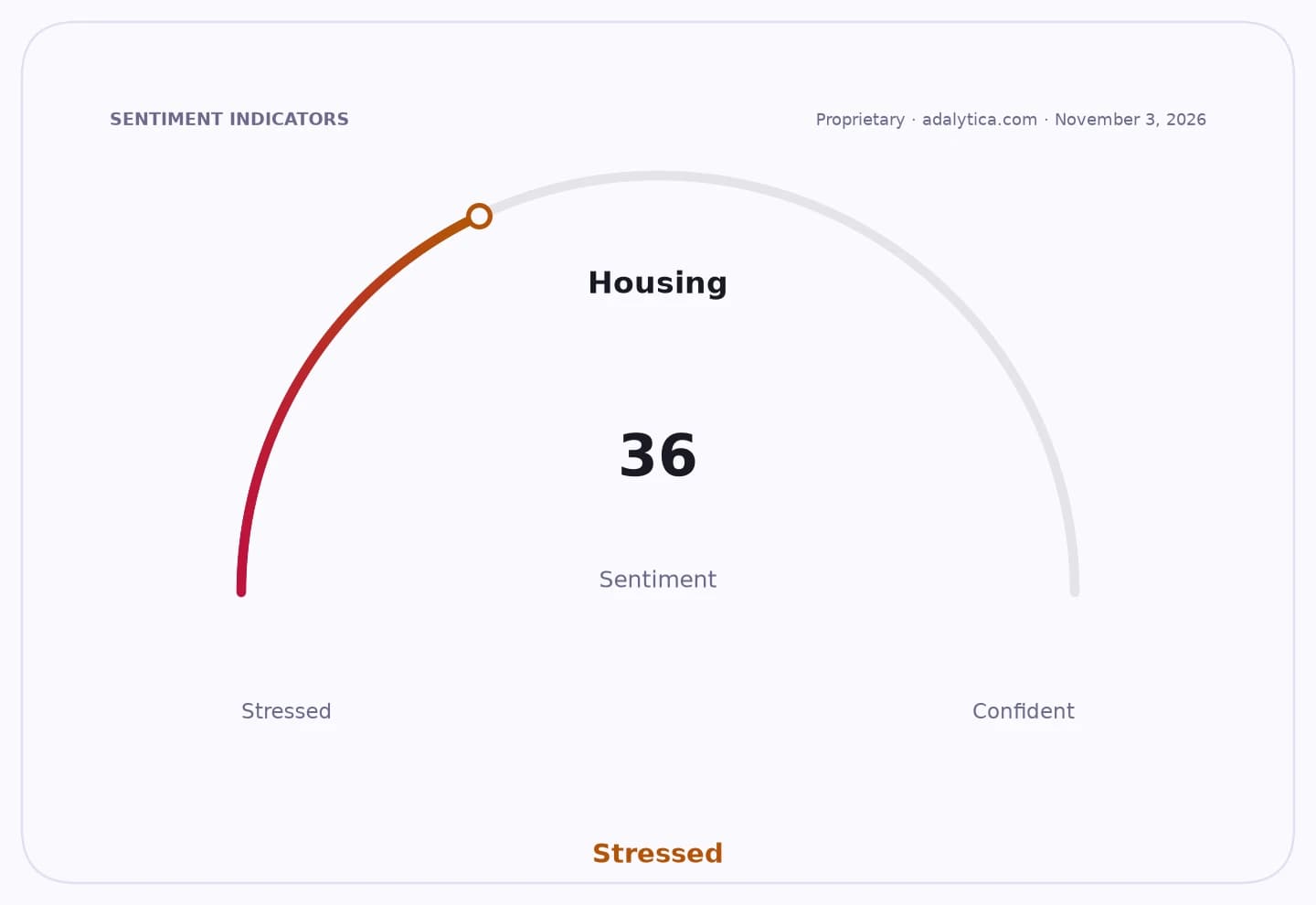
The move matters because Funda sits at the center of how Dutch homes are marketed, making it an essential channel for brokers and sellers and a key fee collector in a market already under pressure from weak housing sentiment. A successful rival could trim listing costs for agents, alter how homes are promoted online and force Funda to defend a business model that has drawn criticism for becoming too commercial.
Sentiment Indicators
Homek is being set up by a group of agents led by Toine Naber, who helped found Funda a quarter-century ago and now says the platform should be “fundamentally changed.” The new site is positioned as a cheaper alternative, with the most expensive package priced at 140 euros per home versus 649 euros at Homek’s target rival, according to the group’s pitch.
Funda reported 73.3 million euros in revenue and 34.2 million euros in profit last year, figures that the company confirmed. That profitability has become part of the criticism from agents behind Homek, who say Funda’s July rollout of three paid visibility tiers showed the platform was leaning harder into monetization at the expense of brokers.
The dispute is also about governance. Homek wants participating agents to be members of a professional body, which would bring them under disciplinary oversight, while opponents argue Funda has allowed anyone registered as a broker to post listings without similar constraints. Naber and other founders say the new platform is meant to restore control to the profession after years of friction with Funda’s ownership structure.
Funda says it remains in regular talks with NVM and that its marketplace must serve both sides of the housing market every day. But the arrival of Homek underscores how vulnerable even entrenched local platforms can become when users feel squeezed on price and influence.
For investors, the key question is whether Homek can recruit enough brokers to matter. Funda’s dominance has long frustrated would-be rivals, and past challengers have failed, but any meaningful shift in traffic or listing volume would affect pricing power across the Dutch housing portal market.
| Entity | Gains | Losses |
|---|---|---|
| Homek founders | ▲Cheaper market entry | ▼Execution risk |
| Dutch real estate agents | ▲Lower listing fees | ▼Split platform usage |
| Funda | ▲Pressure to defend model | ▼Pricing power risk |
| Homebuyers/sellers | ▲More competition | ▼Possible market fragmentation |